Table of Contents
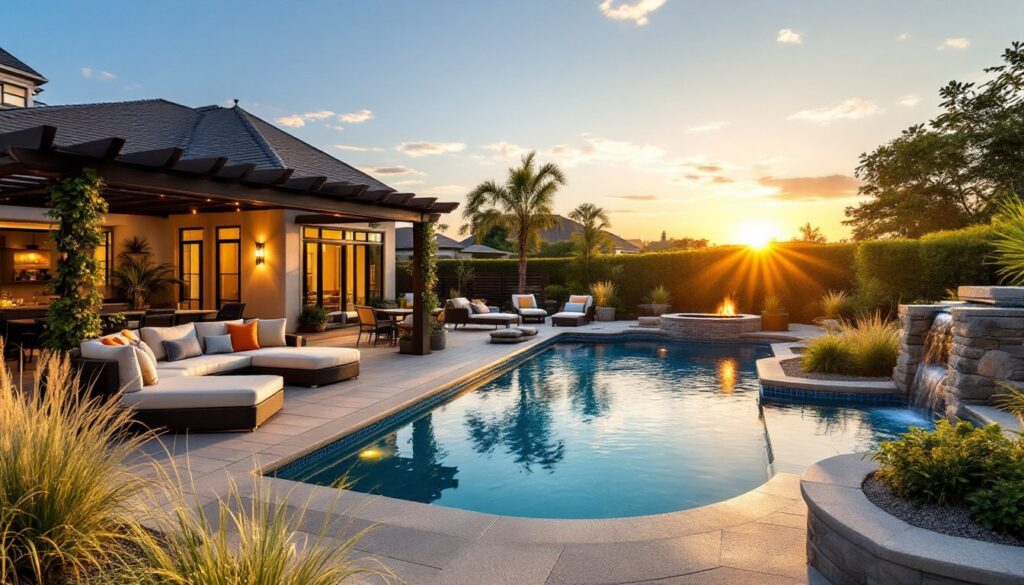
ToggleA pool in your backyard is more than just a refreshing place to cool off, it’s the centerpiece of outdoor living. But a pool without thoughtful landscaping is like a painting without a frame. The areas around your pool determine whether it feels like a resort escape or an afterthought. From ambient lighting to strategic plantings and hardscaping, the right pool landscaping ideas elevate your entire outdoor space. This guide walks you through seven practical, actionable approaches to transform your pool area into a functional and beautiful gathering space.
Key Takeaways
- Strategic backyard pool landscaping transforms your pool area into a resort-like gathering space through ambient lighting, functional zones, and thoughtful plantings that extend outdoor enjoyment beyond daylight hours.
- Underwater LED lights and low-voltage pathway lighting (spaced 4–6 feet apart) combined with string lights and uplighting create visual depth while improving safety and ambiance around your pool.
- Divide your pool deck into purpose-driven zones—lounge areas (10×12 feet), dining zones (12–15 feet from the pool), and utility areas—to maximize usability and create an intentional outdoor space.
- Select chlorine-tolerant plants like ornamental grasses, palms, and bird of paradise positioned 8–10 feet away from the pool to soften hardscapes while avoiding filter clogs and foundation damage.
- Enhance privacy with layered materials such as fencing, hedges, and lattice screens to create a resort atmosphere, while pavers, stamped concrete, and water features add visual interest and functionality.
- Start with one or two high-impact projects like ambient lighting and a functional lounge zone, then expand incrementally to build your ideal backyard pool landscaping without overwhelming your budget.
Create Ambient Lighting Around Your Pool
Lighting changes everything after sunset. Without it, your pool area becomes a dark void: with it, you’ve got an outdoor living space that extends into evening hours.
Start with underwater LED lights for the pool basin itself. These are energy-efficient, long-lasting (10,000+ hours), and come in color-changing options if you want flexibility. Install them along the pool floor, aiming slightly upward to illuminate the water without creating harsh glare.
For deck and surrounding areas, consider low-voltage pathway lights (12V systems are safer and easier to DIY than line voltage). Space them 4–6 feet apart around the pool perimeter. They create visual flow and prevent tripping hazards. String lights or bistro lighting strung overhead between posts or trees adds warmth and defines the space without overwhelming it.
Wall-mounted spotlights or uplighting on landscaping features, trees, planters, fencing, create depth and draw attention to focal points. Aim for a mix of functional and ambient lighting rather than one approach. Timers and smart bulbs let you adjust intensity and color temperature. Dusk-to-dawn sensors save energy by turning lights off automatically at sunrise.
Code note: Any electrical work near water must meet NEC (National Electrical Code) Article 680 standards. If you’re not confident running conduit or installing GFCI-protected circuits, hire a licensed electrician.
Design Functional Outdoor Living Zones
Dividing your pool deck into purpose-driven zones makes the space feel intentional and increases usability. You’re not just building around a pool: you’re creating distinct areas for lounging, dining, and games.
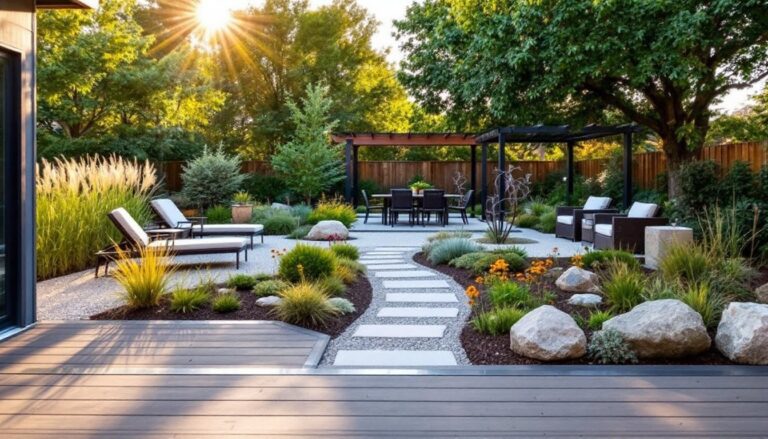
Lounge zones should have clear sightlines to the pool. A 10×12-foot area is realistic for a small family setup: larger properties can accommodate 15×15 feet. Use pavers or composite decking (more slip-resistant than concrete when wet) and add shade with pergolas, umbrellas, or sail shade cloths. Composite decking is lower-maintenance than wood but costs more upfront ($10–25 per square foot installed, versus $5–12 for pressure-treated wood).
Dining areas work best 12–15 feet from the pool to keep splashing water off food and furniture. A concrete pad, permeable paver base, or wooden deck large enough for a table and chairs (typically 10×10 feet) is sufficient. Overhead shade is essential here, a retractable awning or fixed pergola prevents sun glare during meals.
Utility zones handle pool equipment, storage, and maintenance. Screen these from view with fencing, tall hedges, or lattice panels so guests don’t see pumps, chlorinators, and hose reels.
Seating and Lounge Areas
Comfortable, durable furniture defines these spaces. Outdoor sectionals or lounge chairs in UV-resistant fabric withstand sun and chlorine splash better than cotton or untreated upholstery. Look for aluminum or teak frames rather than steel (which rusts faster near pools). Modern Backyard Landscaping guides often showcase integrated built-in seating, a bench along a retaining wall or planter edge saves space and looks polished. Built-in seating requires concrete footers and proper drainage behind the structure to prevent water pooling and rot.
Incorporate Plants and Greenery Strategically
Plants soften hard landscapes and screen eyelines, but pool chemistry demands you choose carefully. Never plant too close to the pool edge, falling leaves clog filters, and root systems can damage deck foundations.
Chlorine-tolerant plants are your allies. Ornamental grasses (fountain grass, blue fescue), palms, citrus trees, and broad-leaved tropicals like bird of paradise handle salt spray and occasional chlorine drift. Avoid deciduous trees directly over the pool: they’re maintenance nightmares. Smaller ornamentals and shrubs planted 8–10 feet away work better.
Planting beds and borders create visual interest and define zones. Use crushed granite landscaping or mulch to retain moisture and suppress weeds without requiring constant upkeep. Bricks for landscaping can edge beds and add texture. When selecting plant materials, consider your climate zone, native plants require less water and fertilizer, reducing runoff into the pool.
Hardscape planting areas, raised beds, containers, vertical gardens, give you flexibility and control. A 4-foot-tall raised planter bed (built with composite lumber or stone) keeps plant roots away from pool equipment and foundations. Containers near seating areas let you refresh plantings seasonally without digging and replanting.
For budget-conscious landscapers, landscaping on a budget demonstrates how to maximize green impact without very costly. Start with one focal planting area and expand over time.
Add Water Features and Hardscaping Elements
Beyond the pool itself, secondary water features and hardscape details elevate the whole space. A water fountain or small cascade feature near a seating area adds sound (masking neighbor noise) and visual interest. These can be as simple as a basin with a submersible pump ($150–400) or as elaborate as a custom-built waterfall.
Hardscaping materials include pavers, stamped concrete, stone, and gravel. Pavers (natural stone, porcelain, or concrete) cost $5–15 per square foot installed and allow for pattern flexibility. Stamped concrete ($8–12 per square foot) mimics stone or brick at a lower price but can crack in freeze-thaw climates. Permeable pavers are excellent for drainage compliance in areas with stormwater regulations.
Fire pits or outdoor fireplaces create gathering spots away from the pool. Locate them 15+ feet from the pool to avoid heat reflection and melting pool liners. A fire pit requires a level base, a metal ring or pit, and clearance from vegetation, check local fire codes before building.
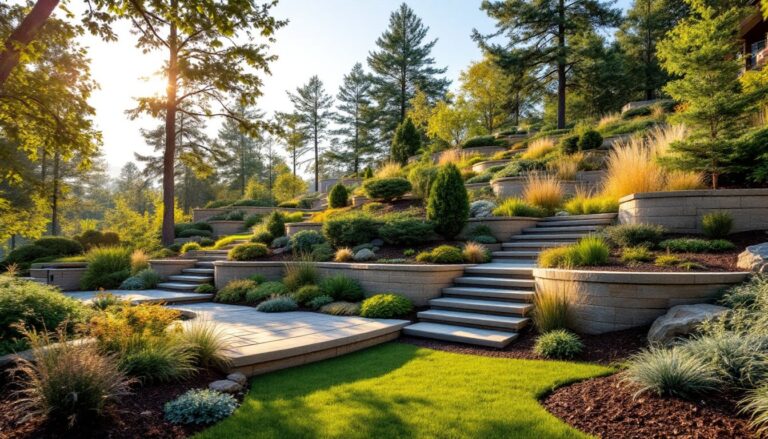
Retaining walls and planters serve dual purposes: they define elevation changes, create planting pockets, and reduce erosion. For walls over 3 feet tall, you’ll likely need engineering and permits. Superior landscaping experts stress proper drainage behind retaining walls to prevent hydrostatic pressure damage.
Enhance Privacy With Screens and Fencing
Most pool owners want privacy. Neighbors peering into your pool area kills the resort vibe fast. Strategic screening balances visibility with wind flow and maintenance.
Fencing options range from traditional wood (6-foot height is standard) at $20–40 per linear foot installed, to vinyl ($25–50 per linear foot) which requires no painting, to composite ($40–60 per linear foot) which blends durability with aesthetics. Metal fencing with horizontal slats offers modern appeal. Check local zoning codes, some jurisdictions cap residential fence height at 6 feet: corner properties may have setback requirements.
Hedges and living screens create softer privacy than hard fencing. Fast-growing shrubs like privet, juniper, or bamboo (in a contained root barrier) establish in 2–3 years. Plan for mature height and width: most need annual trimming. Landscaping ideas for front yards principles apply here too, layered plantings are more visually interesting than a single hedge line.
Lattice or slatted screens attached to existing fences or as standalone structures offer a middle ground: they break sightlines without blocking wind entirely. Climbing vines on lattice (clematis, climbing hydrangea) blend privacy with greenery. Resources like Gardenista and Sunset showcase design-forward screening solutions that don’t feel purely utilitarian.
Combining materials, a 4-foot fence with a 2-foot hedge on top, or fence panels with strategically placed trees, creates layered privacy while maintaining character.
Conclusion
Transforming your pool landscaping doesn’t require a massive budget or professional landscape architecture degree. Start with one or two high-impact projects, lighting and a functional lounge zone, and expand from there. Prioritize materials that withstand chlorine, sun, and traffic. Think in zones, layer your plantings and hardscape, and remember that prep work prevents headaches later. Your backyard pool deserves surroundings that match its potential.