Table of Contents
ToggleAardwolves are nocturnal insectivores native to Africa, and the good news is they’re not a threat to North American homeowners. But, pest control companies sometimes use the name “aardwolf” as a brand or colloquial term for various burrowing pests that do cause problems, particularly ground squirrels, pocket gophers, and moles. If you’re seeing unexplained mounds, tunnels, or damage to your lawn and yard, understanding what you’re actually dealing with is the first step to effective removal. This guide walks you through identification, prevention, and when to bring in the pros.
Key Takeaways
- Aardwolf pest control in North America usually targets burrowing pests like moles, gophers, and ground squirrels rather than true aardwolves, which are harmless African insectivores.
- Identify the specific pest by examining mound shape and location: moles create 4-6 inch cone-shaped mounds, gophers leave fan-shaped mounds with center plugs, and ground squirrels make 2-3 inch burrow holes near gardens.
- Prevent infestations by eliminating food sources (grubs via nematodes), creating physical barriers with buried hardware cloth, removing attractants like birdseed, and improving drainage to make soil less appealing for burrowing.
- Live traps work for ground squirrels and young gophers, while lethal traps are more effective for moles and gophers, though DIY removal is labor-intensive and often incomplete.
- Call a professional pest control service if infestation is widespread, DIY methods fail after two weeks, you’re uncomfortable with traps, or damage threatens hardscape or foundations, with typical costs ranging $300-$1,500 for initial service.
What is an Aardwolf and When is it a Problem?
An aardwolf is a small, nocturnal mammal found in Africa and the Middle East. It feeds almost exclusively on termites and ants, using its long, sticky tongue to extract insects from colonies. True aardwolves stand only about 12 to 14 inches tall and weigh 1.5 to 3 pounds, essentially harmless to humans and property.
That said, North American pest control contractors and homeowners sometimes use “aardwolf” colloquially to describe burrowing pests with similar feeding or tunneling behavior: ground squirrels, pocket gophers, and moles. If you’re reading this because you suspect an infestation on your property, you’re likely dealing with one of these common lawn invaders rather than an actual aardwolf. Ground squirrels burrow and damage garden beds: gophers create extensive tunnel networks that undermine roots and hardscape: moles aerate soil obsessively while hunting grubs. All three cause real property damage and warrant attention. The distinction matters because removal and prevention strategies differ by species. Proper identification using photos or a professional assessment ensures you’re tackling the right pest.
Signs of an Aardwolf Infestation on Your Property
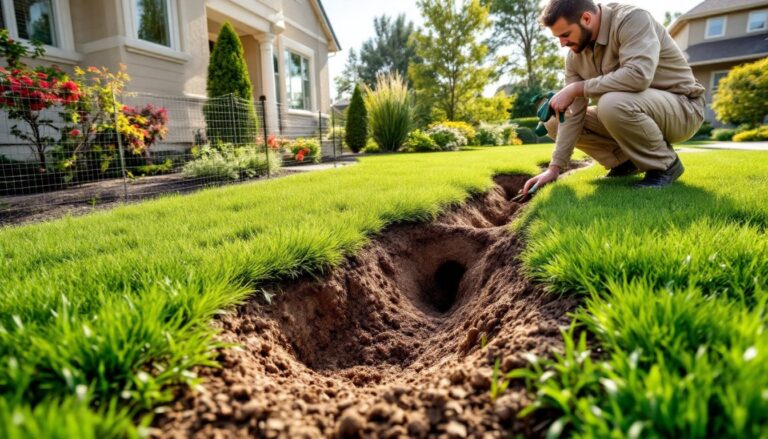
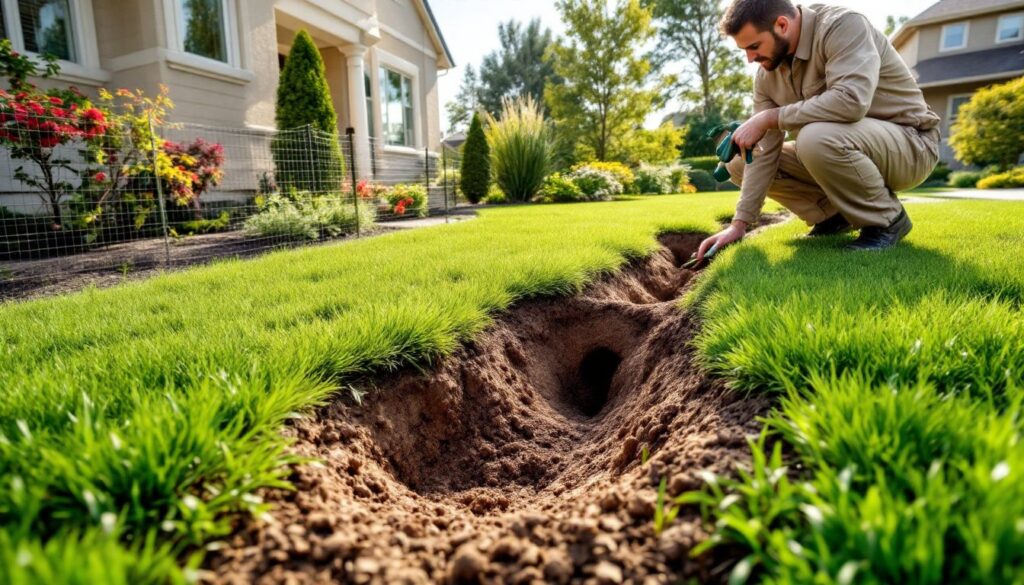
Visible signs tell the story of what’s living beneath your lawn. Fresh mounds of loose soil appearing overnight often signal mole activity: they’re roughly 4 to 6 inches across and cone-shaped. Gophers leave larger, fan-shaped mounds with a plug of dirt in the center, their tunnel entrance. Ground squirrels create burrow holes about 2 to 3 inches in diameter, typically near garden areas or fence lines.
Listen for clues too. Moles work quietly but persistently, and you might notice wilted or lifted sod indicating shallow tunnels just below the surface. Gophers cause more dramatic damage: root systems of vegetables and shrubs eaten from underground, or entire sections of yard subsiding. Ground squirrels are visible during daylight and leave distinctive gnaw marks on wood, bulbs, and seeds.
Damage patterns help narrow it down. If your vegetable garden is being stripped from below and you see no surface entry holes, suspect gophers. If perimeter fencing or foundation skirting shows teeth marks, ground squirrels are the culprit. Mole damage is less about eating and more about their tunneling, paths that destabilize soil and invite predators. Walking across affected lawn may reveal soft spots or small ridges running in patterns. Early identification prevents weeks of frustration and failed removal attempts.
Prevention Strategies for Protecting Your Home and Yard
The best offense is a strong defense. Start with lawn maintenance. Moles hunt grubs: reducing grub populations with nematodes or targeted grub treatments removes their food source. Homeowners using a biological pest control approach often see results within a season. Keep grass thick and well-watered, a healthy lawn resists burrowing better than thin, stressed turf.
Create physical barriers for above-ground pests. Buried fencing (hardware cloth or ¼-inch mesh) sunk 12 to 18 inches around garden beds and 2 to 3 feet around woody plants excludes gophers and ground squirrels. Overlap seams by at least 4 inches to prevent them from working around edges. For ground squirrels, install 1/8-inch steel mesh around tree trunks rising 6 feet high and extending 12 inches underground. This takes effort upfront but eliminates years of damage.
Remove attractants. Don’t leave birdseed on the ground: squirrels and gophers love easy meals. Store garden produce and bulbs in sealed, rodent-proof containers in sheds or garages. Trim back shrubs and mulch piles away from building foundations, these create highways and hiding spots. Seal any gaps larger than ¼ inch around pipes, utilities, or skirting where pests might enter. For seasonal guidance, consult resources like Today’s Homeowner maintenance checklists to stay proactive year-round.
Depending on your region, consider habitat modification. Moles thrive in moist, soft soil: improving drainage and aerating compacted areas makes tunneling less appealing. Gophers prefer undisturbed areas: tilling or maintaining open ground occasionally disrupts their comfort. None of this guarantees 100% prevention, but combined strategies reduce attractiveness significantly.
DIY Aardwolf Removal Methods
Before investing in traps or bait, confirm you’ve ruled out easier fixes. If mounds just appeared, the animal may pass through: wait a week and observe whether activity continues. Many DIYers jump to removal without first addressing food sources like grubs.
For hands-on removal, live traps work for ground squirrels and young gophers. Use a 5×5×16-inch cage trap baited with peanut butter, sunflower seeds, or apple slices. Check traps daily, stressed animals deteriorate quickly. Once trapped, you must relocate at least 5 to 10 miles away (confirm local regulations first: some regions prohibit relocation). Wear heavy gloves and safety glasses when handling any trapped animal.
Lethal traps are more effective for moles and gophers. Scissor-jaw traps and choker loops require careful setup in active tunnels, position them where you see fresh mounding. Bait isn’t necessary: moles trigger the trap by pushing through. Read instructions thoroughly and wear work gloves during installation. Many DIYers find these unsettling: that’s normal.
Alternatively, castor oil-based repellents deter but don’t remove pests. Soak the soil or spray tunnels: the pungent smell makes the area less appealing. Results are mixed and often temporary, useful as a complement to other tactics, not standalone solutions. Family Handyman guides offer detailed trap-setting tutorials if you’re committed to the DIY route.
The reality: removal is labor-intensive and often incomplete. Many homeowners trap one pest only to see another move in weeks later. If you’re not comfortable with traps or repeated attempts, skipping straight to professional help saves frustration.
When to Call a Professional Pest Control Service
Call a professional if:
- Infestation is widespread (more than a dozen mounds or extensive tunnel networks visible across half your property or larger).
- DIY traps or repellents have failed after two weeks of consistent effort.
- You’re uncomfortable handling traps or live animals, no shame in that.
- Multiple species are present simultaneously (common in older properties or those bordering open land).
- Damage extends to hardscape, utility lines, or structural foundations, indicating a serious, ongoing problem requiring expertise.
Professional pest control teams use integrated approaches: habitat assessment, targeted removal, exclusion barriers, and monitoring. They carry commercial-grade traps, fumigants, and tools not available to homeowners. Costs vary by region and severity: HomeAdvisor cost estimators and local quotes typically range $300 to $1,500 for initial service plus ongoing management. Professionals also handle follow-up visits to ensure populations don’t rebound.
If you’re in a specific region, pest control services in Lakeland, FL and similar targeted guides offer local provider reviews. For commercial properties or multi-unit buildings, pest control commercial services address unique challenges around food handling, liability, and frequent treatments. Professionals can also identify secondary issues, like the grub infestations that attracted moles in the first place, and recommend long-term solutions. It’s an investment, but one that pays for itself in reclaimed lawn and peace of mind.
Conclusion
Aardwolf pest control in North America typically means addressing burrowing pests like moles, gophers, or ground squirrels. Success hinges on early identification, removing food sources, and choosing the right removal method for your situation. Start with prevention and habitat modification, attempt DIY removal if you’re confident, and don’t hesitate to bring in professionals for persistent or large-scale infestations. Your lawn, and your sanity, will thank you.