Table of Contents
ToggleHouston’s humid subtropical climate and bustling business district create ideal conditions for pests to thrive year-round. For facility managers and business owners, commercial pest control isn’t just a convenience, it’s a necessity. Uncontrolled infestations can damage reputation, violate health codes, compromise employee safety, and result in costly shutdowns. This guide covers why professional pest control matters, what pests you’ll likely encounter in Houston, the service options available, and how to choose a provider that fits your facility’s specific needs. Whether you manage a restaurant, warehouse, office building, or retail space, understanding your pest control options helps protect your investment and operations.
Key Takeaways
- Houston’s humid subtropical climate creates year-round pest threats including cockroaches, rodents, termites, and mosquitoes that can damage reputation, violate health codes, and trigger costly business closures.
- Commercial pest control in Houston requires selecting a licensed Texas Structural Pest Control License (TPCL) holder and verifying technicians have proper credentials and certifications to ensure compliance with local regulations.
- Integrated Pest Management (IPM) is the gold standard for commercial pest control, combining inspection, exclusion, source reduction, and targeted treatments to suppress pest populations sustainably and cost-effectively.
- Documentation after each pest control service visit is essential for health inspections, compliance records, and insurance claims, making transparent communication with your provider critical.
- Professional commercial pest control protects your bottom line by preventing costly structural damage from termites, maintaining employee and customer safety, and avoiding fines or license suspension from pest violations.
Why Professional Pest Control Is Essential for Houston Businesses
Houston’s warm, moist climate and rapid urban growth make the city a pest hotspot. Cockroaches, rodents, termites, and mosquitoes thrive here, and they don’t discriminate between residential and commercial properties. The difference is scale: a single roach in a house is an inconvenience: a roach infestation in a food service facility or office is a liability.
Professional pest control protects your bottom line. Health departments conduct surprise inspections, and a single pest violation can trigger fines, temporary closure orders, or loss of licenses. Pest damage to structures, especially termite damage, can cost tens of thousands in repairs if left unchecked. Beyond finances, employees and customers notice pest activity. Bad reviews, lost sales, and reputational damage follow quickly. Professional providers deliver scheduled treatments, documentation for compliance, and rapid response when problems arise. They also stay current on Houston’s specific pest behavior and local regulations.
Common Commercial Pest Problems in Houston’s Climate
Houston’s heat and humidity create a year-round breeding season for pests. Unlike northern climates where cold kills many insects, Houston’s winters are mild enough that populations survive and explode in spring and summer.
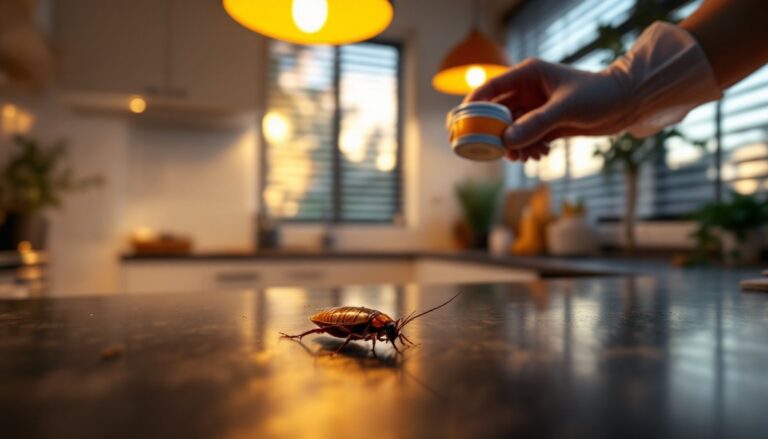
Cockroaches are the most persistent nuisance, especially the American and German varieties. They contaminate food, leave droppings, and trigger asthma in sensitive individuals. Rodents, both rats and mice, nest in walls, chew wiring, and spread disease through droppings and urine. Termites silently damage wooden structures: an undetected colony can undermine joists and support beams over months or years. Mosquitoes thrive in Houston’s standing water and humid environment, posing health risks to outdoor employees and customers. Fire ants, spiders (including the occasional dangerous brown recluse or widow), and occasional wildlife like possums or raccoons also infiltrate commercial spaces.
Key Pest Species in the Houston Area
American Cockroaches prefer warm, damp areas like kitchens, bathrooms, and basements. They’re large (up to 1.5 inches), fast, and highly adaptable to pesticides. German Cockroaches are smaller but reproduce rapidly and are harder to eliminate without professional treatment. Roof Rats and Norway Rats nest in attics, soffits, and wall voids. They’re excellent climbers and can enter through gaps as small as a quarter-inch. Mice slip through even smaller openings and contaminate large food areas through their droppings. Subterranean Termites form massive colonies in soil and mud tubes, attacking wood from the inside out. By the time you spot damage, significant structural compromise may have occurred. Mosquitoes, particularly the Asian Tiger Mosquito and southern house mosquito, breed in storm drains, birdbaths, and any standing water. They carry disease and make outdoor work areas uncomfortable. Commercial pest control in Houston often focuses on these species because they’re the most common and costly threats to business operations.
Types of Commercial Pest Control Services Available
Professional providers offer several service models, each suited to different business types and budgets.
Monthly or quarterly preventive treatments involve scheduled visits where technicians apply approved pesticides to baseboards, wall voids, and outdoor perimeters. This approach maintains consistent control and catches infestations early. Quarterly inspections without chemical treatment are lighter but rely on you to spot and report issues. One-time emergency treatments address acute infestations but don’t prevent recurrence without follow-up. Some providers offer heat treatments for specific pests like bed bugs, which are rare in commercial buildings but occasionally appear in hotels. Wildlife exclusion services involve sealing entry points to prevent rats, squirrels, and other animals from entering. This is often paired with trapping and removal.
Rodent bait stations are placed in walls, attics, and crawlspaces, requiring regular monitoring and restocking. Termite baiting systems (like Sentricon or similar) use slow-acting baits that foraging termites carry back to the colony, eliminating the entire nest rather than just surface treatments. Houston businesses often choose this over liquid soil barriers because it’s less disruptive and highly effective.
Sanitation consultations teach your staff about food storage, waste management, and moisture control, often the difference between controlling pests and being overrun. Many providers bundle this free with service. Check that any pest control service you select clearly outlines service frequency, what’s included, response times for emergency calls, and whether documentation is provided for health inspections.
Integrated Pest Management (IPM) for Commercial Properties
Integrated Pest Management (IPM) is the gold standard for commercial facilities. Rather than relying solely on pesticides, IPM combines multiple tactics to suppress pest populations sustainably.
The IPM framework starts with inspection and monitoring. Technicians identify pest entry points, food sources, water sources, and harborage areas. Traps and bait stations monitor population activity without applying chemicals unnecessarily. Physical exclusion comes next: sealing cracks, installing door sweeps, repairing screens, and caulking gaps where pests enter. In Houston, this often means addressing humidity and standing water around the building. Source reduction involves removing what pests need: cleaning up spilled food and grease, fixing leaky pipes, eliminating clutter, and storing food in sealed containers. Many infestations collapse once food and moisture sources dry up.
Targeted chemical applications are used only when inspections show a genuine pest problem. Pesticides are applied to specific areas, not blanket treatments, minimizing exposure to employees and customers. Modern products like boric acid baits for roaches and slow-acting rodenticides allow pests to return to their nest before dying, ensuring the entire population is eliminated.
IPM also includes regular re-evaluation. After treatment, traps continue monitoring. If populations rebound, the treatment plan adjusts. This adaptive approach often costs less long-term than reactive emergency calls. Many Houston facilities now require IPM compliance from their pest control contractors, especially food service, healthcare, and childcare centers. Ask potential providers whether they follow IPM principles and can document their inspection findings and treatment strategies.
How to Choose the Right Pest Control Provider in Houston
Selecting the wrong provider means wasted money, unresolved infestations, and compliance headaches. Here’s what to evaluate.
Licensing and credentials matter most. Texas requires pest control applicators to hold a Texas Structural Pest Control License (TPCL) from the Texas Department of Agriculture. Verify the company and its technicians are licensed: it’s a legal requirement and ensures basic training. Ask whether technicians are certified in IPM or hold specialty certifications (e.g., Certified Pest Control Operator). References and reviews reveal real-world performance. Call a few commercial clients, not just residential ones, and ask about response times, professionalism, and whether problems were actually solved. Online reviews on Google, Angi, and industry sites help, but prioritize references from similar businesses.
Service guarantees vary widely. Some providers guarantee satisfaction within a certain period: others simply charge by the visit without guarantees. If pest activity continues between visits, will they return at no charge? How long is the guarantee window? Pricing transparency is essential. Ask for a written estimate that itemizes services (e.g., “monthly interior cockroach treatment, exterior foundation spray, rodent bait stations”). Avoid vague “per-visit” quotes. Many Houston providers offer pest control free estimates so you can compare without obligation. Communication and documentation should be standard. After each visit, you should receive a report listing what was found, what was treated, and what follow-up actions are needed. This record is invaluable for health inspections and insurance claims. Finally, verify the provider is bonded and insured. This protects you if damage occurs or a technician causes an accident on your property.
Conclusion
Commercial pest control in Houston is not a luxury, it’s an operational necessity in a climate where pests thrive year-round. By understanding the pests you’re likely to face, the service options available, and the principles of Integrated Pest Management, you can make informed decisions that protect your facility, staff, and reputation. Invest time in selecting a licensed, transparent provider who follows IPM best practices and communicates clearly. The cost of prevention is always lower than the cost of an infestation crisis. Regular, professional pest management keeps your business running smoothly and your compliance record clean.