Table of Contents
TogglePests don’t wait for a convenient time to invade your home, they show up when conditions favor them, and suddenly you’re dealing with an infestation that affects your family’s comfort and safety. Whether it’s cockroaches in the kitchen, termites in the walls, or rodents in the attic, pest problems escalate quickly. While DIY methods might handle minor issues, Taylor pest control services offer the expertise, equipment, and treatment plans tailored to your specific situation. For homeowners facing stubborn infestations or wanting year-round protection, professional pest control isn’t a luxury, it’s a practical investment in your home’s integrity and your family’s wellbeing.
Key Takeaways
- Taylor pest control services offer professional expertise, EPA-registered treatments, and service guarantees that DIY methods cannot match, making them a practical investment for active infestations and year-round protection.
- Professional pest control operators correctly identify pest species and use restricted-use pesticides, preventing costly mistakes like misidentifying termites as carpenter ants that can waste months of ineffective treatment.
- Homeowners typically spend $200–$600 annually on pest control—far less than the cost of structural damage, health hazards, and contamination that result from untreated infestations.
- Sealing entry points, managing moisture, storing food in airtight containers, and trimming vegetation are essential DIY prevention steps that reduce pest pressure and support professional treatment effectiveness.
- Modern pest control combines integrated pest management (IPM), perimeter treatments, heat treatments, and exclusion work with scheduled maintenance visits to address multiple pest types—from cockroaches and termites to bed bugs—across different seasons.
- Request a free estimate from licensed operators, review written proposals detailing treatments and costs, ask about chemical safety around children and pets, and commit to multiple treatments spaced 2–3 weeks apart for best results.
What Is Taylor Pest Control?
Taylor pest control refers to professional pest management services available in and around Taylor, Texas, and similar markets nationwide. These companies combine inspection, identification, and targeted treatment to eliminate existing infestations and prevent future ones. Unlike generic home services, pest control specialists understand pest behavior, breeding cycles, and the conditions that attract them, knowledge that shapes treatment strategy.
Professional pest control operators use EPA-registered pesticides applied at regulated concentrations, along with integrated pest management (IPM) techniques that minimize chemical use while maximizing effectiveness. They’re trained to spot entry points, nesting areas, and harborage zones that untrained eyes miss. A typical service starts with a thorough inspection of your property, both interior and exterior, then a customized treatment plan based on pest type, infestation severity, and your home’s layout. The best firms follow up with scheduled maintenance visits to monitor results and adjust tactics as needed.
Why Choose Professional Pest Control Services
Hiring a licensed pest control operator saves time, money, and headaches compared to going it alone. First, professionals correctly identify the pest, crucial because different species require different strategies. Misidentifying a termite infestation as carpenter ants, for example, can lead to months of wasted treatment before you realize the mistake.
Second, professionals have legal authority to use restricted-use pesticides that homeowners cannot purchase over the counter. These targeted treatments often work faster and more thoroughly than store-bought alternatives. Third, many pest control firms offer service guarantees: if pests return between scheduled visits, they’ll treat again at no charge. This accountability removes the risk from your investment.
According to resources like HomeAdvisor, homeowners typically spend $200 to $600 annually on professional pest control, a fraction of the cost of structural damage from termites, health issues from rodent droppings, or food-borne illness from cockroaches. Also, professional treatment schedules minimize your family’s exposure to chemicals: techs apply treatments when you’re away or in sealed-off areas, reducing indoor air quality concerns that come with improper DIY applications.
Common Pests Treated by Taylor Pest Control
Pest control operators in Taylor typically handle a roster of common household invaders:
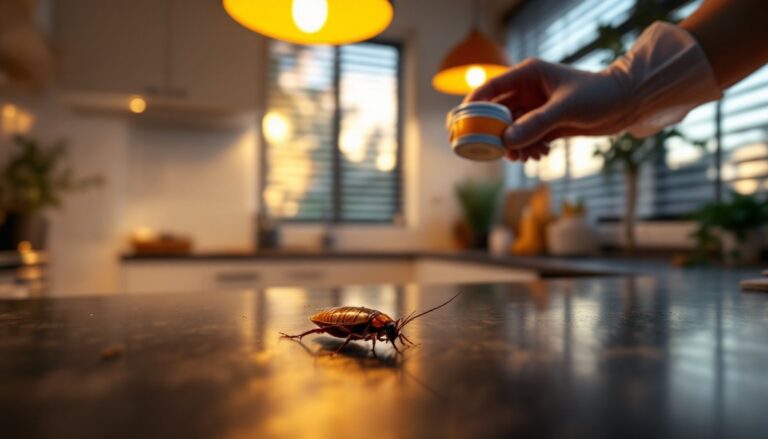
Cockroaches reproduce rapidly and hide in cracks, under appliances, and inside walls, making them notoriously hard to eliminate without professional-grade products and knowledge of their hiding spots.
Termites are silent destroyers: subterranean species tunnel unseen through wood, potentially causing thousands of dollars in structural damage before you notice them. A professional inspection catches colonies early.
Rodents (mice and rats) contaminate food, gnaw wiring, and spread disease. Trapping alone rarely solves the problem if entry points remain unaddressed.
Ants, especially carpenter ants and fire ants, can damage wood or pose health risks. Unlike sugar ants found at a picnic, infestations require targeted baiting strategies.
Spiders, wasps, and hornets often warrant removal for safety, especially if nests are near living areas or if family members have allergies.
Bed bugs are notoriously persistent and require multi-stage treatments to break their life cycle. Heat treatments or targeted pesticide applications by professionals are far more effective than DIY efforts. Many pest control specialists in Texas offer specialized bed bug protocols because infestations are increasingly common nationwide.
Taylor Pest Control Methods and Treatments
Modern pest control blends chemistry, mechanics, and prevention strategies. Here’s what professionals typically deploy:
Integrated Pest Management (IPM) prioritizes non-chemical controls first, exclusion (sealing cracks and gaps), sanitation (removing food sources and harborage), and habitat modification (reducing moisture). Only when these fall short do techs apply pesticides.
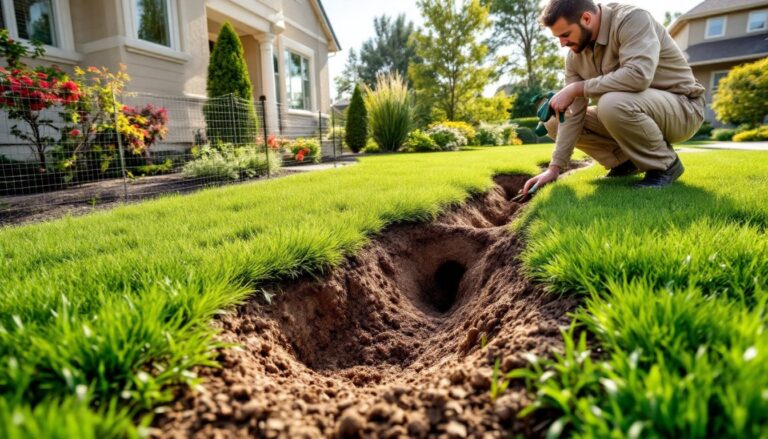
Perimeter Treatments involve applying granules or liquid pesticides around your home’s foundation, creating a barrier that intercepts pests before they enter. These are typically reapplied quarterly or seasonally.
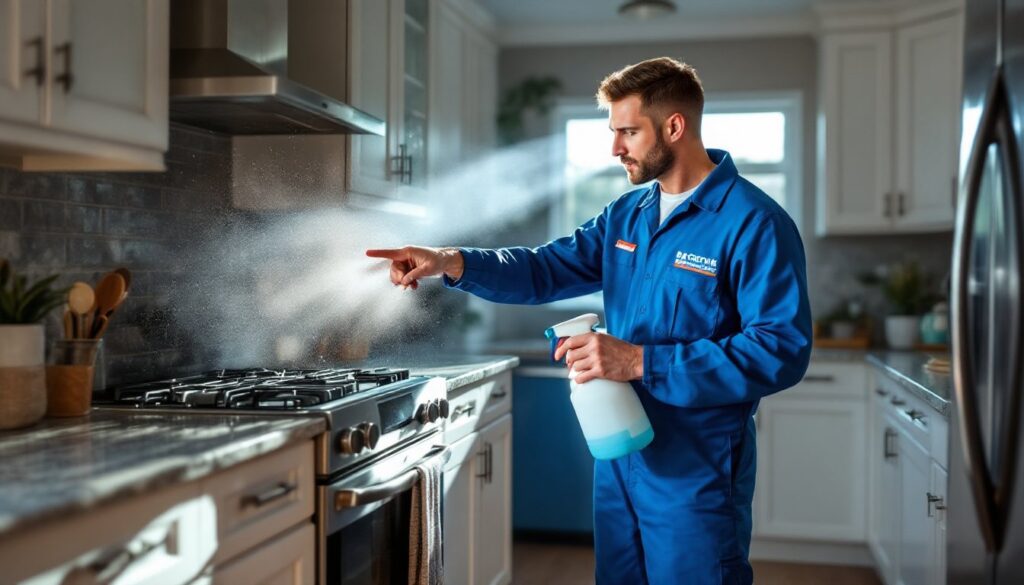
Interior Spot Treatments target active infestations inside walls, under sinks, or in crawl spaces using gel baits, dust formulations, or liquid sprays, each chosen for the target pest’s behavior and the area’s sensitivity.
Heat Treatments work well for bed bugs: raising temperatures in a sealed room to 130–140°F kills all life stages. This method avoids chemicals but requires professional equipment and expertise.
Exclusion Work includes caulking, installing 1/8-inch metal mesh, sealing penetrations around pipes, and trimming vegetation, all physical barriers that reduce pest entry opportunities.
Professionals like those offering pest control commercial solutions also apply maintenance programs with monthly or quarterly follow-ups, adjusting strategies based on seasonal activity and weather patterns. This proactive rhythm is far more effective than reactive treatments after infestations spiral.
DIY Pest Prevention Tips for Homeowners
While professional treatment handles active infestations, homeowners can significantly reduce pest pressure through smart prevention:
Seal Entry Points: Inspect your home’s exterior for cracks wider than 1/16-inch, gaps around utility lines, and openings where siding meets the foundation. Use silicone caulk or expanding foam to seal these gaps. Don’t forget the chimney cap, vent screens, and door sweeps.
Manage Moisture: Pests thrive in damp environments. Fix leaky pipes, ensure gutters drain away from the foundation, and use a dehumidifier in basements or crawl spaces. Keep mulch at least 6 inches away from the foundation.
Store Food Properly: Airtight containers eliminate food sources for ants, cockroaches, and pantry moths. Don’t leave pet food sitting out: store it in sealed containers and feed pets on a schedule.
Reduce Clutter: Piles of cardboard, newspapers, and stored items create hiding spots. Declutter regularly, store items in sealed bins, and keep yards clear of dead branches and debris.
Trim Vegetation: Branches touching your roof and overgrown landscaping provide highways for pests. Keep shrubs 3 feet away from the house and trim tree branches 6–8 feet overhead.
Clean Kitchen and Bathrooms: Crumbs, grease buildup, and standing water attract pests. Wipe down surfaces nightly, sweep immediately, and fix dripping faucets. These simple habits, combined with professional treatment when needed, form a comprehensive defense strategy that pest control marketing experts recommend to clients seeking long-term control.
Getting Started With Professional Pest Control
When you’re ready to call in professionals, here’s what to expect:
Contact and Schedule: Reach out to local pest control firms and request an inspection. Many offer free or low-cost evaluations. You can explore options like a pest control free estimate to compare pricing and service approaches without obligation.
Prepare for Inspection: Walk the technician around your property, pointing out areas where you’ve noticed activity, droppings, entry points, or pest sightings. Show them moisture issues, foundation cracks, and landscaping concerns. The more detail you provide, the better the assessment.
Review the Proposal: A reputable firm will provide a written estimate detailing the pest(s) found, recommended treatments, frequency of visits, and costs. Ask about warranties, cancellation policies, and whether they use eco-friendly options if that matters to you.
Ask About Chemicals: Inquire about specific pesticides being used, whether they’re safe around children and pets, and what precautions you should take on treatment days (like keeping kids indoors for 2–4 hours after interior spraying).
Commit to the Plan: Most infestations require multiple treatments spaced 2–3 weeks apart to break pest life cycles. Skipping visits undermines results. Also carry out the DIY prevention tips above: professional treatment alone won’t succeed if your home remains pest-friendly. Resources like ImproveNet can also help you research local contractors and understand typical project timelines and expectations.
Conclusion
Taylor pest control services provide the expertise, equipment, and accountability that DIY efforts simply can’t match. Whether you’re dealing with a active infestation or want to safeguard your home year-round, professional pest management is a smart investment in your home’s condition and your family’s comfort. Start with a free estimate, partner with a licensed operator, and combine their treatments with smart prevention practices, that’s the recipe for a pest-free home.