Table of Contents
TogglePests don’t wait for an invitation, they slip in through cracks, hide in walls, and multiply faster than you can say “infestation.” If you’re tired of reactive pest control and ready for a permanent solution, the Taexx pest control system offers something different. Unlike traditional spraying and trapping, Taexx is a built-in tube network that delivers targeted pest control right where bugs hide. This guide walks you through how it works, whether you can install it yourself, and whether it’s the right choice for your home.
Key Takeaways
- The Taexx pest control system uses a network of flexible tubes installed in walls and crawl spaces to deliver targeted, low-toxicity pesticide directly to pest pathways, eliminating the need for frequent external treatments and quarterly visits.
- Taexx operates through a mechanical dispenser that releases synthetic pyrethroid-based pesticide at regular intervals without requiring electricity or batteries, providing continuous pest suppression that prevents infestations rather than reacting to them.
- While DIY installation is possible in new construction or accessible crawl spaces, retrofit installations in existing homes typically require professional help to avoid damaging electrical wiring, insulation, and structural integrity.
- The Taexx pest control system requires only minimal quarterly maintenance—refilling the dispenser every 90 days and annually inspecting tubes for damage—while providing decades of performance with reduced chemical exposure in living areas.
- Beyond the Taexx system itself, sealing exterior cracks, foundation penetrations, and utility gaps maximizes effectiveness by preventing new pests from entering your home while the built-in tubes suppress existing populations.
- Installation requires checking local building codes and regulations, as pest control system requirements vary by jurisdiction and some areas mandate licensed applicators for pesticide handling.
What Is The Taexx Pest Control System?
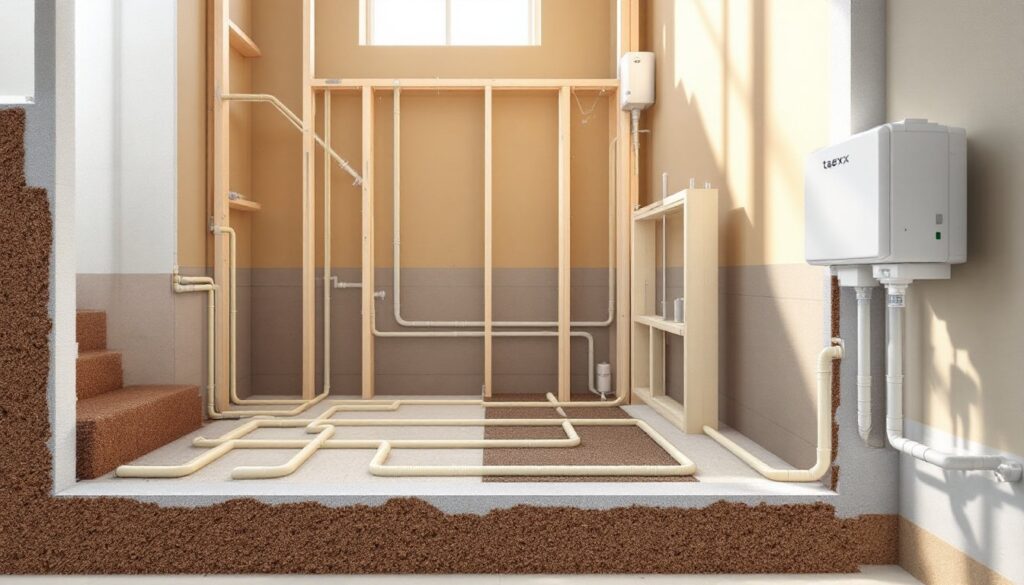
The Taexx pest control system is a network of small, flexible tubes installed inside your home’s walls and crawl spaces. It’s engineered to target common household pests, ants, cockroaches, spiders, and silverfish, without requiring regular external treatments. Think of it as an invisible pest prevention infrastructure built into your house.
Unlike traditional spray applications or bait stations scattered around baseboards, Taexx tubes are embedded behind walls and in cavities where pests actually travel. You activate the system quarterly, delivering a low-toxicity liquid pesticide through the tube network. The system targets the source: pest pathways, not your living room.
This approach appeals to homeowners who want fewer chemical applications and less reliance on quarterly pest control visits. Since the tubes are hidden, there’s no visible pest control equipment cluttering your home. It’s especially useful in older homes with crawl spaces, or newer construction where the system can be installed during framing. Regional regulations differ, so verify local building codes before planning installation.
How The Taexx System Works
The Taexx system operates on a simple principle: pests follow predictable routes through your home. Taexx intercepts them at those routes.
When you activate the system, a metered dose of liquid pesticide flows through the tube network via a mechanical dispenser. The dispenser releases product at regular intervals, typically every 30 days, without requiring electricity or batteries. The low-dose, continuous release means pests encounter treatment as they move through walls, voids, and foundation areas.
The pesticide used in Taexx is synthetic pyrethroid-based, chosen for effectiveness against common household pests while maintaining lower toxicity profiles compared to older broad-spectrum treatments. The tubes themselves are made of food-grade flexible plastic designed to resist degradation and pest damage over decades.
Initially installed during new construction or retrofit into existing walls, the tubes require minimal active management. You’re not spraying, fogging, or scheduling quarterly visits, just refilling the dispenser and checking for clogs. This passive approach means fewer chemical exposures for your family and pets while maintaining consistent pest suppression.
The Tube Network Installation
The tube network runs through exterior walls, foundation voids, and crawl spaces, basically anywhere pests travel and hide. Installation placement depends on your home’s structure. In new builds, tubes are installed during framing before drywall goes up. Retrofit installations require cutting into walls or working from the attic and crawl space, which is labor-intensive and typically requires professional installation.
Tubes are typically ½-inch diameter and can be run through wall cavities, along rim joists, and through band board areas. Proper placement means tubes reach common entry points: foundation cracks, penetrations around pipes and utilities, and soil-contact areas. Poor placement wastes the system’s potential, so this isn’t a spot-and-guess operation.
Installation Process For Homeowners
Here’s the honest truth: full Taexx installation isn’t a weekend DIY project for most homeowners. Installing tubes in existing walls requires cutting drywall, fishing tubes through cavities, drilling access holes, and understanding load-bearing structure. One misstep and you’re compromising insulation, damaging electrical wiring, or creating pest entry points.
That said, if you’re building new or have an accessible crawl space and exterior wall access, you can handle some installation yourself. Start by mapping pest entry points and wall cavities. Mark where tubes will run, exterior foundation walls, crawl space perimeters, and common pest highways.
Materials you’ll need:
- Taexx tube network kit (includes tubing, dispenser, and quarterly cartridges)
- Drywall saw or reciprocating saw (for existing wall access)
- Drill with spade bits and standard bits
- Level and measuring tape
- Caulk and caulk gun (to seal holes)
- PPE: safety glasses, dust mask, and work gloves
Basic steps for retrofit installation:
- Identify tube routes through walls and crawl spaces, checking for electrical wiring and plumbing first.
- Cut access holes (typically 2–3 inches) at strategic points, usually every 10–15 feet along wall runs.
- Feed the flexible tube through wall cavities using a fish tape if needed: work carefully to avoid snagging insulation.
- Secure tubes with plastic clips or straps every 2–3 feet to prevent sagging or movement.
- Install the mechanical dispenser in an accessible location, usually a basement, crawl space, or exterior wall.
- Seal access holes with caulk and patch drywall.
- Test the dispenser and refill with the appropriate pesticide cartridge.
For existing homes, hiring a licensed pest professional to handle tube routing saves headaches and ensures compliance with building codes. For new construction, work with your builder to plan tube placement before framing is enclosed.
Always check your local building department for permits or approvals. Pest control system regulations vary by jurisdiction, and some areas require licensed applicators for pesticide handling. If your home has knob-and-tube wiring or asbestos-containing materials, stop and call a pro, renovating around those hazards isn’t a DIY job.
Benefits Of Choosing Taexx For Your Home
The Taexx system offers several advantages over traditional pest control methods. First is convenience. Once installed, you’re not scheduling quarterly visits or coordinating access for technicians. You refill a dispenser, a task that takes minutes, and the system works year-round.
Second is discretion. Visible pest control stations, tape, and signs disappear. Guests don’t see bait traps under sinks or notice exterior treatment perimeters. For homeowners concerned about appearance or resale perception, this matters.
Third is consistency. Traditional spray treatments create a temporary barrier that diminishes over time. The Taexx continuous-release design maintains steady pest suppression. You’re not playing catch-up when infestations flare: you’re preventing them proactively. This approach is particularly effective for ant colonies, cockroaches, and other pests that reinvade through wall voids.
Fourth is reduced chemical exposure in living areas. The pesticide is delivered inside walls and voids, not sprayed on baseboards or countertops. Families with young children or pets appreciate the lower contact risk compared to traditional spray-and-wipe applications. That said, Taexx cartridges contain pesticides, handle and store them according to label instructions and keep them away from children and pets.
Roommate tip: The system is nearly invisible in operation. Your home doesn’t smell like a pest control truck rolled through, and there’s no residual odor that lingers for days. For renters in properties with Taexx already installed, the experience is seamless, just quarterly refills and no mess.
Maintenance And Long-Term Performance
Taexx requires minimal maintenance, but what you do perform directly impacts effectiveness. Quarterly refills are the cornerstone of the system. Mark your calendar, every 90 days, check the dispenser, ensure the cartridge isn’t empty or clogged, and swap in a fresh one if needed. This 5-minute task keeps the system active and prevents gaps in pest suppression.
Inspect tubes annually for damage, especially after construction, rodent activity, or home repairs. A pinhole leak or kinked tube reduces pressure and limits product flow to distant sections. If you notice pest activity resuming in a specific area, a clogged or damaged tube segment is often the culprit. Clogs typically occur at dispenser connections or where tubes are sharply bent: flushing the system with water (per manufacturer instructions) sometimes clears them.
Sealing exterior penetrations, cracks in foundation, gaps around pipes, holes in rim board, amplifies Taexx’s effectiveness. The system suppresses pests already in your home, but why invite new ones through the front door? Caulk foundation cracks, seal utility penetrations, and maintain proper grading to keep moisture and pests at bay. This paired approach combines built-in pest suppression with preventive exterior work for maximum impact.
The mechanical dispenser lasts decades without battery replacement or electrical maintenance. Cartridges are replaced quarterly, and tubes can remain active for 20+ years if undamaged. Over time, if drywall is removed or renovations occur, tubes may need rerouting. Plan for this in major remodels so your pest control infrastructure stays intact. Consider it part of your home’s hidden infrastructure, like plumbing or electrical, maintain it, and it works quietly in the background.
Conclusion
The Taexx pest control system isn’t a magic fix, but it’s a thoughtful alternative to reactive pest spraying. It’s ideal for homeowners seeking long-term, low-profile pest suppression without frequent technician visits. Installation requires planning and, for most existing homes, professional help, but once in place, the system delivers years of quiet, consistent performance. Weigh the upfront investment against the convenience and reduced chemical exposure, and decide if it fits your home’s needs and your pest control philosophy.