Table of Contents
TogglePeppermint oil has earned its reputation as one of the most effective natural pest deterrents on the market. Unlike chemical sprays that leave toxic residues on surfaces your kids and pets touch, peppermint oil pest control offers a safer alternative that actually works against common household invaders. Whether you’re dealing with spiders in the basement, ants in the kitchen, or mosquitoes on the porch, this peppermint-based approach delivers real results without the harsh fumes. The key is understanding how to use it correctly, mixing the right concentrations, applying it to the right areas, and knowing when it’s effective versus when you need backup methods.
Key Takeaways
- Peppermint oil pest control works because menthol triggers sensory neurons in insects, making it an effective natural repellent against spiders, ants, mosquitoes, mice, and roaches without toxic chemicals.
- Create an effective DIY spray by mixing 8-10 drops of peppermint oil with 2 cups of water and a few drops of dish soap, then apply it every 3-5 days around baseboards, windowsills, and entry points for consistent results.
- For outdoor use, double the concentration to 20-30 drops per 2 cups of water to combat wind and weather, and apply in early morning or evening before rain for maximum effectiveness.
- Peppermint oil is a preventive deterrent, not a cure—establish infestations require professional treatment first, then use peppermint oil to prevent re-infestation and protect your home.
- Combine peppermint oil pest control with complementary methods like sanitation, sealing cracks, diatomaceous earth, and traps to create a layered approach that addresses root causes and maintains long-term pest prevention.
Why Peppermint Oil Repels Common Household Pests
Peppermint oil works because of its active compound, menthol, which triggers sensory neurons in insects. When pests encounter peppermint, their nervous systems register it as a threat, prompting them to flee the area. This isn’t poison, it’s a natural repellent that makes your home feel hostile to bugs without harming them or your family.
The oil is particularly effective against spiders, ants, mosquitoes, mice, and roaches. Spiders hate the strong aromatic oils and will avoid treated surfaces. Ants use pheromone trails to navigate: peppermint’s sharp scent masks these chemical signals, disorienting the colony. Mosquitoes and other flying insects have sensitive antennae that detect menthol from a distance, causing them to redirect elsewhere. Mice and rats possess highly developed olfactory systems, so peppermint’s pungent odor is genuinely unpleasant to them. When addressing a broader pest problem in your home, a combination of approaches often works best: 901 Pest Control: Your covers comprehensive strategies if peppermint alone isn’t cutting it.
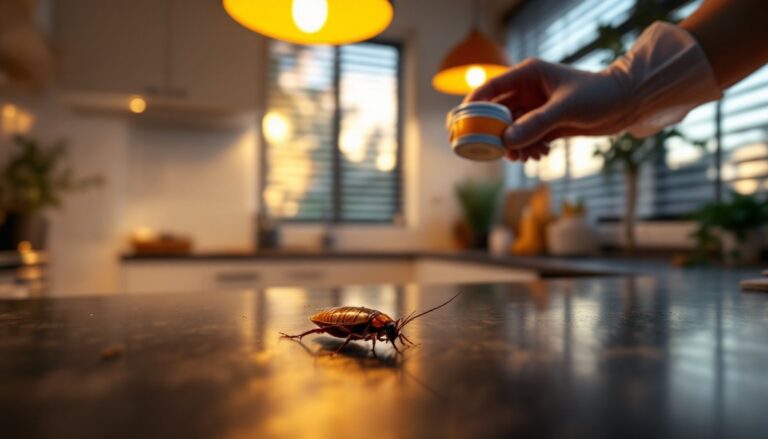
One important caveat: peppermint oil doesn’t eliminate existing infestations overnight. It’s a preventive and deterrent, not an exterminator. If you’ve got roaches in the walls or a full mouse family in the attic, you’ll need stronger intervention first, then use peppermint to keep new pests out.
How To Use Peppermint Oil Against Spiders and Insects
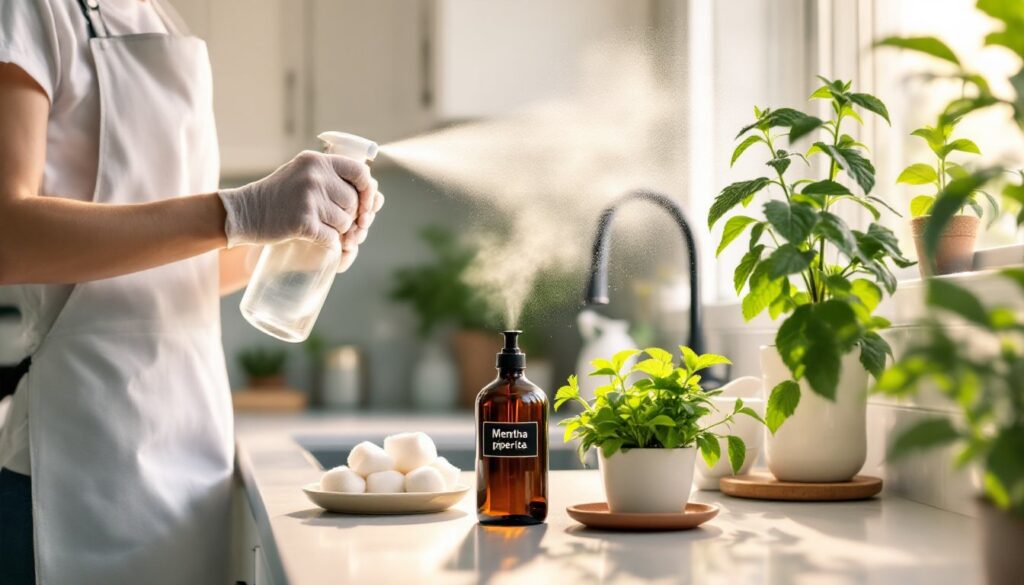
Start with pure peppermint essential oil, look for brands that list “Mentha piperita” on the label. Don’t use peppermint extract (food-grade) because it’s diluted and less effective. A small 15 ml bottle goes a long way since you’ll dilute it heavily before spraying.
For indoor use, create a spray by mixing 8-10 drops of peppermint oil with 2 cups of water in a spray bottle. The oil won’t dissolve completely in plain water, so add a few drops of dish soap to act as an emulsifier. Shake well before each use because the oil and water will separate. Spray this mixture around baseboards, under furniture, inside closets, and along windowsills where spiders like to hide. Reapply every 3-5 days or after rain if you’re treating outdoor areas. The scent fades as the oil evaporates, so consistency matters, set a weekly schedule and stick to it.
For cotton balls or diffusers, soak 4-5 cotton balls in pure peppermint oil and place them in problem areas: corners, under sinks, in cabinets, or near entry points. Replace them weekly. This method works well for confined spaces like closets because the scent concentrates. Just keep peppermint oil away from pets’ food and water bowls: while peppermint isn’t toxic to dogs and cats, the strong oil can upset their stomachs if ingested.
DIY Peppermint Oil Pest Control Sprays and Solutions
Building a custom spray tailored to your specific pest problem takes only a few minutes. Here’s a basic formula that works for most household insects:
Basic Peppermint Spray:
- 10 drops peppermint essential oil
- 2 cups water
- 1 tablespoon dish soap (acts as emulsifier)
- Optional: 5 drops of lavender or eucalyptus oil for added repellent power
Shake thoroughly and spray in 6-8 inch sweeps along affected areas. The soap residue helps the mixture stick to surfaces and breaks down insect waxy exoskeletons if they come into direct contact.
Stronger formula for outdoor use:
Double the peppermint oil amount to 20 drops per 2 cups of water if you’re treating a yard or garden. Outdoor pests face more environmental variables, wind, rain, sunlight, so the solution needs to be stronger and applied more frequently.
Alternative: Peppermint Oil Drain Treatment
For pests entering through drains, pour 5-6 drops of peppermint oil down the drain, followed by hot water. This creates an oily barrier that repels insects traveling through pipes. Repeat weekly or after heavy rain. For a comprehensive guide on preventing household pests through maintenance, resources like The Spruce’s home improvement guides offer additional layer-by-layer prevention strategies.
Store your mixed spray in a cool, dark place and label it clearly. Peppermint-based sprays don’t spoil, but sunlight degrades the oils over time.
Applying Peppermint Oil Outdoors for Garden and Yard Pests
Outdoor peppermint applications require heavier concentrations because wind and weather work against you. Dilute 20-30 drops of peppermint oil in 2 cups of water with 1 tablespoon soap, then spray around garden beds, fence lines, and entry points to your deck or patio. Apply in early morning or late evening when pest activity peaks and before rain is forecast, rain will wash away the treatment.
For garden areas specifically, peppermint oil also deters mosquitoes, gnats, and some aphids. Spray the undersides of plant leaves where insects nest. One smart tactic: plant actual peppermint plants in pots near your porch or garden edges. Live plants emit oils continuously and serve as both a living repellent and a fresh herb source. Peppermint grows vigorously, so contain it in pots rather than direct soil to prevent it from taking over your bed. Many experienced gardeners swear by this dual-purpose approach.
Around your home’s exterior, foundation, door frames, windows, spray the perimeter every 7-10 days to create a scent barrier. For mouse prevention, focus on areas where utilities enter (power lines, HVAC vents, water pipes). Mice squeeze through tiny gaps: peppermint won’t close the gap, but it will make them think twice before entering. When combining outdoor peppermint applications with broader pest management, Cascade Pest Control strategies can address structural vulnerabilities alongside scent-based deterrents.
Safety Considerations and Effectiveness Limitations
Peppermint oil is generally safe for households with kids and pets, but it’s not completely risk-free. Keep concentrated peppermint oil out of reach of children, ingesting it can cause irritation and nausea. The spray you create is diluted, but still wear gloves and avoid touching your face while applying. If you or family members have asthma or respiratory sensitivities, the strong vapors may trigger symptoms, so test the spray in one room first and monitor for reactions.
For pets, peppermint oil in spray form is fine, the dilution and evaporation mean exposure is minimal. But, do not apply undiluted oil directly to a pet’s skin or fur. Cats, in particular, can have reactions to concentrated oils because their livers lack certain enzymes. Keep pets out of the room for 15-20 minutes after spraying, and ensure good ventilation.
The big limitation: peppermint oil is a deterrent and preventive, not a cure. If you’ve got an established infestation, a roach colony, bed bugs, or a mouse nest, peppermint alone won’t eradicate it. You’ll need professional treatment or targeted insecticides first, then use peppermint to prevent re-infestation. Also, some pests (like bed bugs) are harder to deter than others: they’re driven by hunger more than scent and may tolerate peppermint’s odor to feed. Climate also matters: in warm, humid climates, essential oils evaporate faster and lose potency more quickly. According to home safety resources like Good Housekeeping’s tested product recommendations, combining natural deterrents with proper sanitation delivers the best results.
When To Combine Peppermint Oil With Other Natural Methods
Peppermint works best as part of a layered approach. Start with sanitation: eliminate food sources, seal cracks, fix leaky pipes, and remove clutter where pests hide. Then add peppermint oil. For stubborn problems, combine it with complementary methods.
Pairing strategies:
Spiders: Combine peppermint spray with diatomaceous earth (food-grade). Sprinkle diatomaceous earth along baseboards and corners, it physically damages insect exoskeletons, then apply peppermint spray weekly. Spiders hate both.
Ants: Use peppermint spray on trails, but also address the nest. Borax and sugar baits work: peppermint prevents new colonies from forming nearby.
Mosquitoes: Peppermint oil plus citronella candles or fans. Moving air pushes scent further and disrupts mosquito flight patterns. Remove standing water, which is their breeding ground, no spray replaces that step.
Mice: Peppermint oil around entry points combined with traps inside. Peppermint deters, but trapped mice prove you’ve solved the problem. Seal holes larger than 1/4 inch with steel wool and caulk.
Roaches: Peppermint alone rarely solves an established roach problem. Use gel baits or professional-grade treatments first, then maintain barriers with peppermint spray and boric acid powder (keep away from kids and pets). Roaches need food denial, not just scent rejection.
The principle: peppermint is a preventive and perimeter guard, not a standalone solution. Use it to maintain progress after you’ve tackled the root problem, food, water, shelter, and entry points.
Conclusion
Peppermint oil pest control works because it’s rooted in real entomology, not wishful thinking. Menthol genuinely repels common household pests, and the natural approach keeps chemicals off your countertops and out of your kids’ lungs. Mix it correctly, apply it consistently, and layer it with sanitation and sealing, and you’ll see results. It won’t replace professional help for infestations, but it’s an excellent preventive tool that deserves a spot in every DIYer’s pest management toolkit.