Table of Contents
TogglePests don’t care whether they’re invading a warehouse or your basement, they’re looking for food, water, and shelter. Manufacturing pest control sounds like a commercial-only concern, but the principles apply directly to protecting your home. If you live near industrial areas, have a workshop, storage space, or simply deal with the same pests that plague factories, understanding manufacturing-level pest control strategies can save you thousands in damage and extermination costs. This guide walks you through identifying manufacturing-related pests, why they show up, and what you can actually do to keep them out.
Key Takeaways
- Manufacturing pest control principles apply directly to homes—eliminate food sources, reduce moisture, and seal entry points to prevent infestations before they start.
- Common manufacturing-related pests like rodents, cockroaches, and stored-product insects thrive in homes with cardboard storage, clutter, and food debris, making prevention exponentially cheaper than extermination.
- Seal foundation cracks wider than 1/4 inch, install door sweeps, and use steel mesh around utility penetrations, since rodents can squeeze through openings the size of a dime.
- For active infestations, snap traps, gel baits, and freezing contaminated products work for early-stage problems, but persistent infestations require professional pest control services within 2–3 weeks.
- Inspect incoming shipments and secondhand furniture carefully before bringing them inside, as bed bugs hitchhike in boxes, used furniture, and clothing without regard to cleanliness.
Understanding Common Manufacturing-Related Pests
Manufacturing environments attract specific pests because they offer ideal conditions: food processing byproducts, moisture, and clutter to hide in. The same pests thrive in homes with similar conditions.
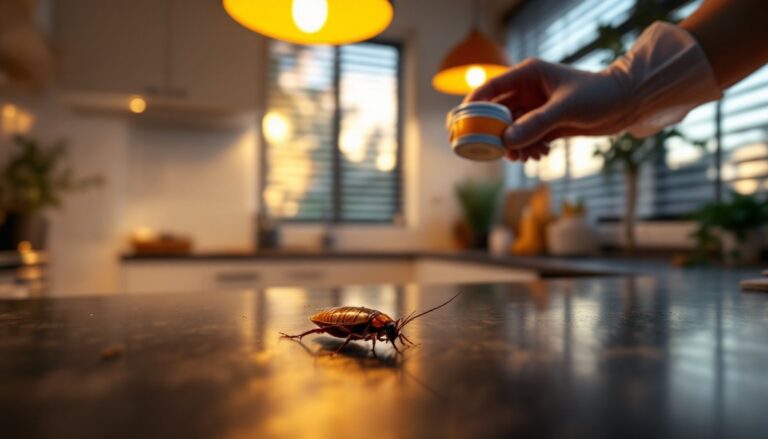
Rodents (mice and rats) top the list. They’re attracted to stored grains, pet food, and accumulated debris. A single rat can squeeze through an opening the size of a dime and cause structural damage by gnawing on wiring and support materials. Cockroaches flourish in warm, dark spaces near food and water sources, kitchens, basements, and utility areas are prime real estate. They’re not just gross: they spread bacteria and trigger allergies.
Stored-product insects like flour beetles, pantry moths, and weevils infest grains, flour, cereals, and dried goods. You might bring them home unknowingly in contaminated products. Bed bugs hitchhike in shipments, secondhand furniture, and clothing. Unlike most pests, they don’t care about cleanliness, they just want blood meals and a dark crevice to hide in.
Spiders, silverfish, and centipedes thrive in damp basements and storage areas. While silverfish don’t bite, they damage papers, cardboard, and fabrics. Knowing which pests you’re actually dealing with changes your treatment strategy entirely.
Why Pests Target Industrial and Manufacturing Environments
Factories and warehouses are pest magnets because they’re essentially buffet halls with built-in hiding spots. Manufacturing plants process raw materials, store finished goods, and generate waste, all attracting pests by the thousands. But here’s the thing: your home can mimic those conditions without you realizing it.
Pests seek three things: food, water, and shelter. A home workshop filled with cardboard, a garage storing bulk pet food, or a kitchen with crumb-filled cabinets replicates a factory floor at a smaller scale. Warm basements with humidity provide ideal breeding grounds. Cluttered storage areas offer perfect nesting sites.
Pests also follow the path of least resistance. If your home is near a manufacturing facility, food processing plant, or warehouse, pests may overflow into residential areas when populations spike or seasons change. They travel via shipments, delivery trucks, and utility lines. Once they find your property has what they need, they establish colonies that grow exponentially if unchecked. This is why early detection and prevention are exponentially cheaper than dealing with infestations later.
Essential Pest Prevention Strategies for Your Home
Prevention is always cheaper than extermination. The good news: most strategies require only basic maintenance and attention to detail.
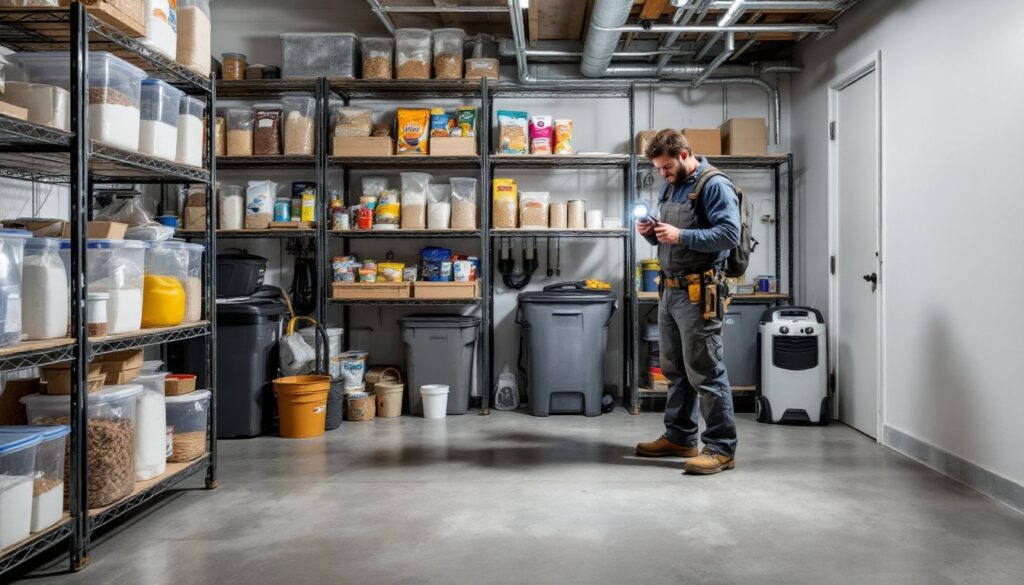
Eliminate food sources. Store dry goods in airtight containers, not cardboard boxes. Rodents and insects chew through paper and plastic bags easily. Use thick plastic or glass containers with tight-fitting lids for flour, cereals, nuts, and pet food. Clean up crumbs and spills immediately, and don’t leave pet food sitting out overnight. Take garbage out regularly and use sealed bins, not open trash cans.
Reduce moisture. Pests need water to survive. Fix dripping faucets, ensure downspouts drain at least 4 feet away from your foundation, and use a dehumidifier in basements or crawl spaces. Keep humidity below 50% in storage areas. Remove standing water from sinks, tubs, or trays.
Declutter storage areas. Pests love hiding in stacked boxes, old newspapers, and abandoned items. Cardboard is especially attractive, it provides both food and shelter. Minimize stored items, elevate what you do keep on shelves at least 12 inches off the floor, and regularly inspect for pest activity.
Inspect incoming shipments and secondhand items. Before bringing boxes, used furniture, or clothing into your home, inspect them carefully. Look for droppings, egg cases, or live insects. Secondhand furniture is a major vector for bed bugs: consider treating it with a commercial bed bug spray or heat-treating it in a sealed plastic bag in direct sunlight for several hours.
Sealing Entry Points and Gaps
Pests don’t ring the doorbell, they slip through tiny cracks. Walk your home’s exterior like an inspector, looking for gaps around foundation cracks, openings where pipes or utilities enter, gaps under doors, and damaged weatherstripping.
Foundation cracks wider than 1/4 inch are entry highways. Use concrete caulk or expanding foam sealant rated for the outdoors to fill them. For larger cracks, use a concrete patching compound first, then caulk over it. Allow products to cure fully before exposing them to weather.
Gaps around door frames and windows should be sealed with weatherstripping tape or caulk. Install door sweeps under exterior doors, they’re inexpensive ($10–30) and incredibly effective. Make sure garage doors seal properly: gaps around the perimeter let rodents straight through.
Utility penetrations (where pipes, cables, and vents enter) are often overlooked. Use steel mesh or hardware cloth combined with caulk or foam to seal these gaps. Rodents can’t chew through steel mesh. Vent openings for dryers and bathroom fans need pest-proof screens, standard screens are too loose.
Check your roof. Look for damage to soffits, fascia, and vents. Squirrels and raccoons enter from above. If you’re uncomfortable on a roof, use binoculars from the ground or hire a professional inspector. Many pests enter through roof vents: installing one-way door flaps on vents allows air to flow out but blocks entry.
DIY Treatment Methods You Can Use Right Now
Once you’ve tightened your home’s defenses, targeted treatments address active infestations. But be realistic about what DIY methods can accomplish, large or persistent infestations usually need professional help.
Rodent control starts with snap traps or electronic traps placed along walls where you’ve seen droppings. Rodents travel along baseboards, not across open floor space. Bait traps with peanut butter, chocolate, or nesting material (cotton balls), these work better than cheese, even though cartoons. Wear nitrile gloves and a mask when handling dead rodents or droppings: hantavirus is rare but serious. Place traps perpendicular to walls, so the trigger bar faces the wall. Check traps daily and dispose of dead rodents in sealed bags in your trash.
Cockroach gel baits (products like Advion or Combat Max) are highly effective if applied correctly. Place baits in corners, under sinks, behind appliances, and anywhere you’ve seen roaches. They’re slow-acting but lethal within days. Roaches eat the bait, return to their colony, and poison others. Don’t use roach spray simultaneously: it scares roaches away from baits.
Pantry moths and beetles require removing infested products immediately. Throw out contaminated flour, cereal, or grains. Freeze new purchases at 0°F for at least 4 days to kill any eggs. Store everything in airtight containers. Pheromone traps help monitor populations: they don’t solve infestations but show if the problem’s improving.
Bed bug treatment at home is possible for light infestations but tricky. Wash bedding in hot water (130°F+) and dry on high heat. Vacuum mattresses thoroughly and seal the mattress in a bed bug-proof encasement for a year. Inspect furniture carefully and treat cracks with diatomaceous earth (food-grade only: wear a dust mask). Heat treatment (raising room temperature to 118°F+ for 90 minutes) kills all life stages but requires professional equipment. Most homeowners end up calling professionals for bed bugs, they’re stubborn.
Diatomaceous earth (DE) and boric acid powder work for some pests but come with precautions. Food-grade DE damages soft-bodied insects’ exoskeletons. Apply it thinly in cracks and crevices: heavy dust is less effective and hazardous. Never inhale the powder. Boric acid is toxic if ingested: use only in areas children and pets can’t access. Both work slowly, results take days or weeks.
When to Call Professional Pest Control Services
DIY methods work for small, early-stage problems. But several situations demand professional help.
Call a professional if you see multiple pests daily, find widespread droppings, or spot evidence of nesting. A single cockroach might be a scout: a dozen means a hidden colony somewhere. Structural pests like termites, carpenter ants, or wood-boring beetles require professional identification and treatment, misdiagnosis leads to expensive mistakes. If you’ve tried DIY methods for 2–3 weeks without improvement, pests are winning. Professional pest control companies have access to stronger treatments, better equipment, and knowledge of building codes and safe application methods.
Bed bugs, rodents in attics, and infestations in multi-unit buildings almost always need professionals. Bed bugs hide in dozens of cracks: missing even a few means reinfestation. Rodents in attics require sealing entry points from inside the attic, careful removal of contaminated insulation, and exclusion work that many homeowners can’t safely do. In apartment buildings, your neighbor’s pest problem becomes your problem: coordinated professional treatment is necessary.
When hiring, get a pest control free estimate before committing. Reputable companies offer free inspections and written estimates detailing the problem, treatment plan, timeline, and cost. Ask about warranties, many guarantee results within a set period. Request integrated pest management (IPM) approaches, which combine exclusion, sanitation, and minimal chemical use rather than blasting your home with pesticides.
For manufacturing-level pest control in your home or property, Pest Control Commercial: Safeguard Your Business from Costly Infestations offers insights into professional-grade solutions. Research shows The Spruce and Good Housekeeping provide verified pest control service reviews and product recommendations. If you’re in certain areas, local specialists like Pest Control Lakeland FL: offer targeted expertise. Don’t hesitate to interview multiple companies, pricing and service quality vary.
Conclusion
Manufacturing pest control principles apply to every home: eliminate attractants, seal entry points, and act fast at the first sign of trouble. Most infestations start small and grow exponentially if ignored. A few hours spent sealing gaps and storing food properly prevents months of frustration and hundreds in pest control costs. When DIY methods aren’t enough, calling professionals isn’t admitting defeat, it’s recognizing that some jobs require specialized knowledge and equipment. Your home is your investment: protecting it from pests is just smart maintenance.