Table of Contents
ToggleSydney’s warm climate is perfect for outdoor living, but it’s also a haven for ants. Whether you’ve spotted a trail marching across your kitchen counter or noticed mounds in your garden, ant infestations can escalate quickly if left unchecked. The good news: you don’t need to panic or immediately call an exterminator. With the right knowledge and approach, most homeowners can identify, control, and prevent ant problems before they become a major headache. This guide walks you through understanding Sydney’s common ant species, spotting early warning signs, trying DIY solutions, and knowing when to bring in the professionals.
Key Takeaways
- Identifying the specific ant species in your Sydney home—such as Argentine ants, black house ants, or pavement ants—is crucial for choosing the most effective ant pest control strategy.
- Early detection of ant infestations through visible trails, food clustering, and soil mounds allows you to tackle the problem before colonies become large and difficult to eliminate.
- Ant baits are far more effective than sprays because they target the entire colony by allowing worker ants to carry poison back to the nest and eliminate the queen, making them the most reliable DIY ant pest control method.
- If DIY methods show no improvement within two weeks or infestations span multiple rooms or structures, professional pest control services using integrated pest management are worth the investment.
- Prevention through sanitation, caulking entry points, reducing mulch depth, and eliminating moisture sources is the most cost-effective way to keep ants from returning to your Sydney home.
Understanding The Ant Species Common In Sydney
Sydney’s climate supports several ant species, and identifying which one you’re dealing with is the first step to effective control. The Argentine ant is one of the most persistent offenders, small, dark brown, and highly organized, they form massive supercolonies that can span entire neighborhoods. Unlike most ants, they don’t fight with neighboring colonies: they coexist, making them harder to eliminate.
The black house ant is exactly what it sounds like: jet-black, relatively large, and commonly found indoors foraging for food. They’re less aggressive than Argentine ants but can establish persistent trails inside your home. The pavement ant nests under concrete slabs and paving, creating visible mounds with characteristic dirt around entry points.
Less common but worth knowing: the coastal brown ant is more aggressive and can bite, while odorous house ants smell like rotten coconut when crushed, a dead giveaway of their presence. Understanding which species you have helps you tailor your control strategy, as different ants respond differently to baits and barriers. Take a photo of the ants you’re seeing: it’ll help a professional identify the species if you need one later.
Identifying Early Signs of Ant Infestation
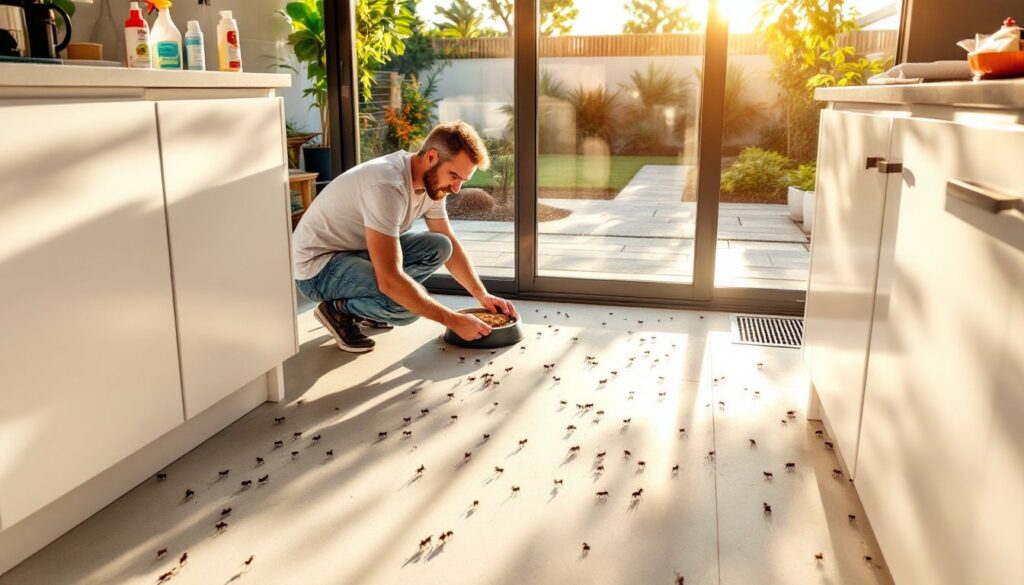
Catching an infestation early makes control infinitely easier. The most obvious sign is visible ant trails, highways of ants moving back and forth between a food source and their nest. These trails often follow wall edges, baseboards, or cracks in concrete, and they’re typically stronger in the early morning or evening.
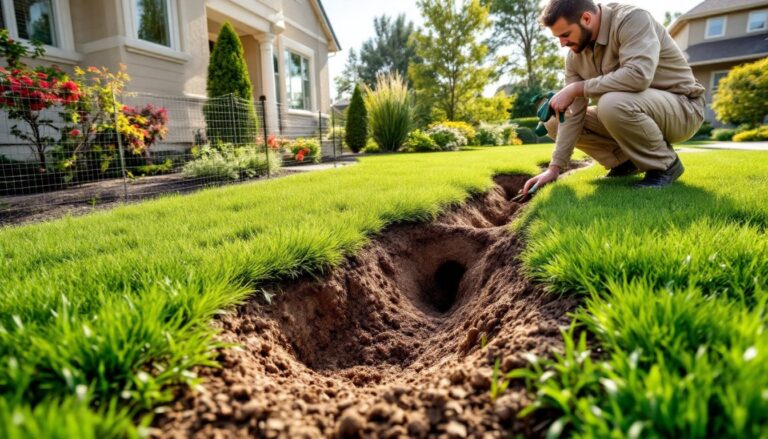
Indoors, you might notice ants clustering around food sources: sugar, grease, bread crumbs, or pet food. Even tiny food debris attracts them, so finding ants doesn’t mean your home is dirty, it just means they’ve found an opportunity. Outdoors, look for small mounds or raised areas in soil, particularly under pavers or along garden edges.
Another clue is the presence of aphids or scale insects on plants. Ants farm these pests for their sweet secretions (called honeydew), so if you see a heavy ant presence on plants, that’s a strong indicator of a larger colony nearby. Some species also create visible galleries (tunnels) under mulch or in soil. If you press your finger into the soil and see organized tunneling, you’ve found a nest. Early detection means smaller colonies and easier elimination.
DIY Ant Control Methods You Can Try At Home
Before calling a professional, try these proven DIY approaches. The first step is always sanitation: eliminate food sources by cleaning up crumbs, sealing food in airtight containers, and keeping pet food bowls clean. Don’t leave food or grease residue on benches or floors. Take out garbage regularly and rinse recyclables to remove sugary residue.
Next, use ant baits. These are far more effective than spray repellents because they target the entire colony, not just the ants you see. Baits contain slow-acting poison mixed with food attractants (usually sugar or protein). Worker ants carry the bait back to the nest, where it kills the queen and brood, eliminating the colony at its source. Place baits along ant trails and leave them undisturbed for several days. Terro liquid baits and gel baits are widely available at hardware stores and work well against house ants and Argentine ants. Follow package instructions carefully: baits work only if ants reach them and return to the nest.
Barrier sprays and dusts create a perimeter around entry points, but use these cautiously around children and pets. Diatomaceous earth (food-grade only) is a non-toxic powder that damages insects’ exoskeletons: dust it along baseboards and entry points. It’s safe for humans but less effective indoors than baits.
For outdoor nests, boiling water poured directly onto visible mounds kills many ants instantly, but it rarely eliminates the entire colony if the nest is deep. Repeat applications may be needed. Some DIYers use cinnamon, borax, or citrus-based deterrents, but these are more repellents than solutions, they discourage ants but don’t eliminate colonies.
Natural and Non-Toxic Solutions
If you prefer to avoid chemicals, cinnamon powder and citrus oils deter ants from specific areas, though they won’t eliminate an infestation. A mix of equal parts borax and powdered sugar with a little water creates an effective homemade bait, but handle borax carefully around pets and children, it’s toxic if ingested. Seal cracks and crevices with caulk to block entry routes and remove moisture sources (leaky taps, standing water) since ants need water as well as food.
Neem oil is a natural insecticide derived from seeds that disrupts ant reproduction and feeding: it’s less effective than synthetic baits but safer around families and pets. The challenge with natural methods is patience, they work slower and require consistent reapplication. If you’re willing to be methodical and avoid harsh chemicals, combining sanitation, natural deterrents, and home-made baits can work, especially for small infestations.
When to Call Professional Pest Control Services
If DIY methods haven’t reduced ant activity after two weeks, or if the infestation spans multiple rooms or outdoors extensively, it’s time to call professionals. Structural infestations, ants nesting inside walls, under floors, or within timber, require professional treatment because you can’t safely access or treat these areas yourself.
Large Argentine ant supercolonies often resist DIY control because they span multiple properties and have numerous nesting sites. Professionals have access to stronger residual sprays, professional-grade baits, and monitoring equipment that DIYers don’t. They can also identify whether you have a structural issue requiring follow-up repairs.
A Pest Control Free Estimate is a smart first step, most reputable pest control companies offer free inspections and quotes, so there’s no obligation. Ask whether they use integrated pest management (IPM) principles, which combine chemical and non-chemical methods. Inquire about follow-up visits and warranties: if the problem returns within a set period, they should retreat at no cost.
Preventing Future Ant Problems
Prevention is always easier and cheaper than cure. Keep your kitchen and dining areas scrupulously clean: wipe benches daily, sweep floors, and don’t leave food out overnight. Store pantry items in airtight containers and rotate stock so older food is used first. Clean pet food bowls immediately after feeding: don’t leave food sitting outside.
Outdoors, trim vegetation back from your home’s walls to reduce sheltered pathways for ants. Reduce mulch depth to 5 centimeters and keep it away from foundations, ants love thick mulch as nesting material. Remove leaf litter and standing water (check gutters and saucers under pots). If you have a compost heap, keep it well away from the house and ensure it’s properly managed to avoid attracting ants and other pests.
Seal cracks in concrete, brickwork, and around window frames with silicone caulk. Pay special attention to gaps where pipes or cables enter your home. Fix dripping taps and leaky plumbing quickly: ants need water and will establish colonies near moisture sources. Regularly inspect your home’s exterior for new ant mounds or trails, especially after rain when ants are most active. Early detection prevents small problems from becoming infestations.
Since biological pest control involves natural methods like encouraging ant predators (spiders, lizards, some birds), creating a balanced garden ecosystem can help keep ant populations in check. But, this is a long-term strategy and won’t solve an active infestation. Combining good sanitation, regular monitoring, and quick action when ants appear will keep Sydney homes ant-free.
Conclusion
Ant infestations in Sydney are manageable with the right approach. Start by identifying the species, eliminate food sources and entry points, and try baits or natural solutions for small infestations. If DIY methods don’t work within two weeks or the problem is large-scale, professional pest control is a worthwhile investment. Prevention, through sanitation, caulking, and regular monitoring, ensures ants don’t return. With patience and persistence, you’ll reclaim your home and garden from these persistent invaders.