Table of Contents
ToggleRunning a hotel, bed and breakfast, restaurant, or vacation rental means your reputation lives or dies by guest experience, and nothing tanks that faster than a pest encounter. A single cockroach sighting or bed bug complaint can lead to a one-star review that echoes across the internet for months. Hospitality pest control isn’t just about comfort: it’s about compliance with health codes, protecting your liability, and preserving the bottom line. Unlike residential pest management, hospitality properties face higher standards, tighter inspections, and zero tolerance for infestation. This guide walks you through the essentials: why pests matter in hospitality, what species threaten your business most, how to inspect and prevent infestations, and when professional treatment becomes non-negotiable.
Key Takeaways
- Hospitality pest control is essential for protecting reputation, ensuring regulatory compliance, and avoiding costly property damage that can exceed the cost of preventative measures tenfold.
- Bed bugs, cockroaches, and rodents are the most common pests threatening hospitality businesses, each capable of triggering negative reviews and guest refund demands.
- Monthly inspections with attention to mattress seams, kitchen areas, and exterior perimeters, combined with sanitation and exclusion work, prevent most infestations before they require professional intervention.
- Professional treatment options including heat treatment for bed bugs ($3,000-$5,000+), chemical treatments ($500-$2,000), and exclusion work ($200-$1,500) are necessary when DIY prevention fails.
- Year-round vigilance through staff training, seasonal adjustments, and contracted quarterly pest control services—supported by documented inspections—maintains a pest-free environment and protects your business.
- An Integrated Pest Management approach combining inspection, sanitation, exclusion, and selective chemical use delivers cost-effective hospitality pest control while reducing environmental impact.
Why Pest Control Matters in Hospitality Settings
Pests in hospitality aren’t a minor inconvenience, they’re a business threat. Health inspectors use pest activity as a primary red flag for facility violations, and a single positive finding can result in fines, temporary closure, or loss of operating permits. Guests expect clean, pest-free accommodations, and most won’t hesitate to post their experience online.
Beyond reputation and regulatory risk, pests cause direct property damage. Rodents chew through electrical wiring, insulation, and structural framing. Termites can undermine wooden joists and subflooring. Cockroaches and other insects contaminate food stores and kitchen equipment, creating health hazards and waste. The cost of damage repair often exceeds the cost of preventative pest control by tenfold.
Staff morale matters too. Employees who encounter pests in break rooms, laundry facilities, or storage areas lose confidence in management and their workplace safety. High turnover in hospitality is already a challenge: pest issues accelerate it.
Common Pests That Threaten Hospitality Businesses
Bed Bugs
Bed bugs are the nightmare guest that every hotelier fears. These small, reddish-brown insects hide in mattress seams, upholstered furniture, and behind headboards. They feed on blood at night, leaving itchy welts on guests’ skin. Even one reported case can spread rumors across travel review sites and booking platforms. Bed bugs are also notoriously difficult to eliminate without professional heat treatment or chemical protocols.
Cockroaches
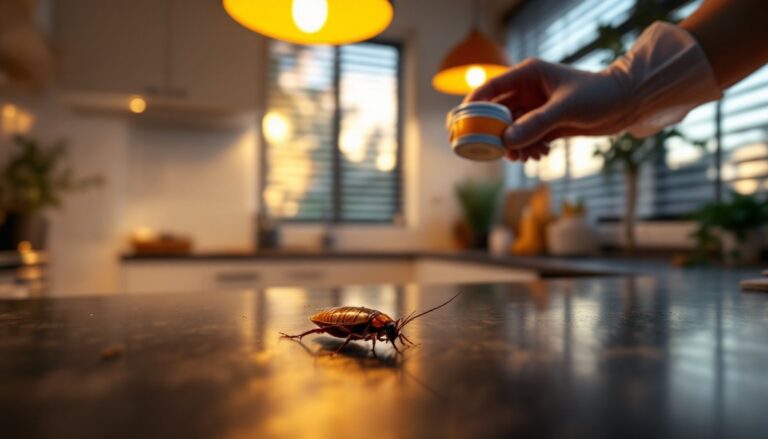
German and American cockroaches thrive in kitchens, dining areas, and waste management zones. They’re nocturnal, fast, and prolific breeders. Beyond their obvious ick factor, cockroaches spread pathogens, contaminate food, and trigger allergic reactions in sensitive guests. They’re also indicators of deeper sanitation or structural gaps.
Rodents (Mice and Rats)
Rodents exploit gaps around pipes, vents, and foundation cracks. They nest in walls, attics, and storage areas, leaving droppings and urine that smell and spread disease. A single rodent sighting by a guest is sufficient cause for refund demands and negative reviews. Rodent control requires both trapping and exclusion work.
Flies
Fruit flies, drain flies, and house flies congregate around food prep areas, trash bins, and organic buildup in drains. While less damaging than bed bugs, they signal poor sanitation to guests and inspectors alike.
Wasps, Hornets, and Bees
Nesting insects around entryways or outdoor seating areas pose stinging hazards and liability concerns. Some properties face guest allergies that make any stinging insect a safety issue.
DIY Inspection and Prevention Strategies
Regular inspections catch pest activity early, before infestations take hold. You don’t need a license to walk your property with a critical eye.
Monthly Walk-Through Protocol
Inspect guest rooms monthly. Look for droppings, dead insects, musty odors, or small holes in baseboards and corners. Use a flashlight and magnifying glass, pests hide in shadows. Check mattress seams, furniture undersides, and behind art frames. Document everything with photos.
Examine kitchens and food storage areas. Look for gnaw marks on boxes, sticky traps with insects, or grease buildup that attracts roaches. Check under appliances and behind cabinets where droppings accumulate. Inspect drains for fruit fly activity.
Walk exterior perimeters. Seal visible cracks larger than 1/4 inch with caulk or hardware cloth, rodents can squeeze through dime-sized openings. Trim vegetation away from building walls to eliminate harborage areas. Remove standing water, which breeds mosquitoes and attracts rodents.
Sanitation and Exclusion
Pest prevention starts with cleanliness. Food waste should be sealed in metal or thick plastic containers with locking lids, not cardboard boxes rodents chew through easily. Dumpsters need tight-fitting lids and regular emptying. Spilled food or grease in kitchens is an open invitation.
Exclude pests by sealing entry points. Install metal door sweeps on exterior doors (rodents and insects slip under gaps). Seal gaps around pipes and cables with caulk or expandable foam, trim foam flush after it dries. Install screens on vents and windows. These steps cost little but prevent costly infestations.
Sticky Traps and Monitoring
Place non-toxic sticky traps in kitchens, hallways, and storage areas. Check them weekly. Traps don’t kill the problem, but they signal activity early. If you find insects on traps, it’s time to call a Pest Control Commercial specialist. Early detection is worth the investment.
Professional Treatment Options and When to Call Experts
Once you’ve confirmed pest activity or failed to contain it through prevention, professional treatment becomes necessary.
Chemical Treatments
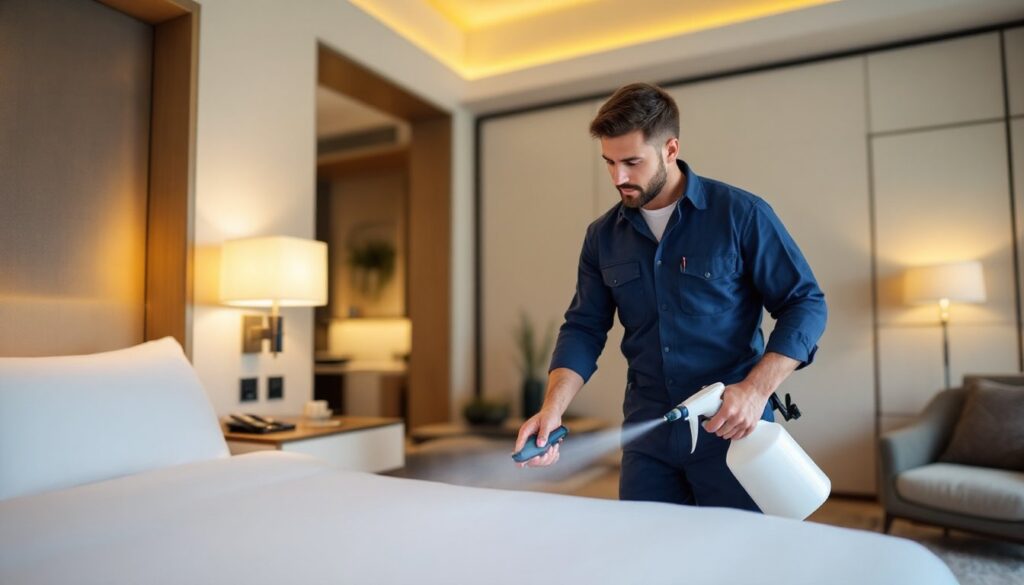
Licensed pest control applicators use EPA-registered insecticides applied to baseboards, vents, and other harborage areas. For hotels and restaurants, these treatments happen during off-hours or seasonal closures to minimize guest exposure. The cost varies by property size and severity, typically ranging from $500 to $2,000 per treatment, with follow-up visits required.
Heat Treatments for Bed Bugs
Bed bugs are increasingly resistant to chemicals. Heat treatment heats entire rooms or buildings to 130°F+ for several hours, killing all life stages. This method is effective but pricey, often $3,000 to $5,000+ per room or facility. Many hospitality properties now use heat treatment as a first response because it avoids chemical residues and rebound infestations.
Exclusion Work
Sealing cracks, installing door sweeps, and trimming harborage areas prevent re-infestation. This is structural work that may require a handyman or contractor, costing $200 to $1,500 depending on the scope. It’s a one-time investment that protects against future problems.
When to Call a Professional
Call immediately if you confirm bed bugs, active rodent nests, cockroach colonies, or any sign of infestation. Delay costs money and reputation. Most hospitality businesses contract with a pest control service on a quarterly or monthly schedule, a preventative retainer that costs far less than emergency treatment. Check references on Angi or ask local hospitality peers for recommendations. A reputable company will provide written treatment plans, follow-up schedules, and warranty on work.
Maintaining a Pest-Free Environment Year-Round
Pest control is ongoing, not a one-time fix.
Seasonal Vigilance
Fall and winter drive rodents and insects indoors seeking warmth and food. Increase inspections during cold months. Spring brings wasps and flies as temperatures warm: inspect exterior areas and seal nests early. Summer heat accelerates cockroach breeding: maintain aggressive sanitation.
Staff Training
Train housekeeping, kitchen, and maintenance staff to recognize pest signs and report them immediately. A staff member who spots bed bug evidence early prevents room-wide infestation. Make reporting easy, establish a quick communication channel to management. Staff who understand why pest control matters become your first line of defense.
Documentation and Compliance
Maintain records of inspections, pest sightings, treatments, and follow-ups. Health inspectors expect this documentation. Some hospitality managers use pest control software or simple spreadsheets to log dates and observations. Documentation also protects you legally if a guest makes a claim.
Integrated Pest Management (IPM)
Biological Pest Control principles apply to hospitality too. Combine inspection, sanitation, exclusion, and selective chemical use rather than spraying everything. This reduces chemical exposure, costs, and environmental impact while maintaining effectiveness. A professional IPM plan tailored to your property type is worth the investment.
Contract Review
If you use a pest control service, review your contract annually. Ensure it covers all areas of your property, includes the inspection frequency you need, and specifies treatment protocols. Ask about warranties, reputable companies guarantee work for 30 to 90 days. If pests return within that window, they retreat at no cost.
Conclusion
Hospitality pest control isn’t optional, it’s a core operating requirement. Monthly inspections, tight sanitation, and strategic exclusion prevent most problems. When DIY prevention falters, professional treatment restores control quickly. By staying vigilant and proactive, you protect your guests, your staff, your reputation, and your bottom line. A Pest Control Free Estimate from a local specialist gives you baseline costs and options. Your guests expect clean, pest-free stays, deliver that, and they’ll come back.