Table of Contents
ToggleFlorida’s climate is unforgiving, intense sun, humidity, hurricanes, and salty air challenge even seasoned gardeners. Yet the state’s unique tropical and subtropical conditions also offer tremendous opportunity for creating a lush, low-maintenance outdoor space. The key is designing with Florida’s weather patterns in mind, not against them. Rather than fighting the heat and moisture, smart homeowners choose plants, drainage solutions, and hardscaping that thrive in this environment. By understanding what works in Florida’s specific landscape ecology, you can build a backyard that’s both beautiful and resilient year-round, without constantly battling nature.
Key Takeaways
- Select native and heat-adapted plants like saw palmetto, lantana, and live oaks for Florida backyard landscaping that requires minimal water and withstands intense sun and humidity.
- Implement proper drainage management through swales, rain gardens, and permeable pavers to prevent water pooling and foundation damage in Florida’s flat terrain and high water table.
- Install shade structures like pergolas and mature trees on south and west exposures to reduce soil temperature by 5–10°F and create usable outdoor living space.
- Choose salt and moisture-resistant hardscape materials such as sealed stone, composite decking, and stainless steel hardware to combat Florida’s humidity and coastal salt spray.
- Apply Integrated Pest Management practices and plant spacing techniques to reduce fungal diseases, insect infestations, and wildlife damage common in Florida’s warm, moist climate.
- Plant deep-rooted trees, trim strategically before hurricane season, and secure outdoor structures to protect your landscape during June through November storm season.
Choose Drought-Tolerant Plants Built for Florida’s Heat
The mistake most Florida homeowners make is planting shade trees and ornamentals from cooler regions. These often struggle in the relentless heat and humidity, requiring extra water, fertilizer, and pest management. Instead, focus on native and adapted species that evolved in subtropical conditions.
Native Florida plants like saw palmetto, coontie, muhly grass, and gaillardia require minimal supplemental irrigation once established. Flowering shrubs such as ixora, lantana, and blanket flower thrive in full sun and actually flower better when water is restricted, counterintuitive, but it works. If you want shade-loving understory plants, try coral bells, wild coffee, and native ferns.
Trees are your backbone. Live oaks, cabbage palms, and slash pines are bulletproof in Florida. They establish deep root systems, tolerate humidity, and withstand wind. Avoid shallow-rooted ornamental trees that snap in storms or need constant babying. For a smaller space, crape myrtle and redbud deliver seasonal color without the resource drain.
Group plants by water needs (a concept called hydrozoning). Full-sun xeriscaping in one area, shade-tolerant shrubs in another, and moisture-loving plants near rain gardens elsewhere. This lets you dial in irrigation without overwatering drought-tolerant zones. Mulch beds with native pine bark or cypress to retain moisture, regulate soil temperature, and suppress weeds, a critical step in Florida’s climate.
Manage Moisture and Drainage in Your Landscape
Florida’s flat topography and high water table mean water either pools in your yard or infiltrates your foundation. Neither scenario is desirable. You need to manage surface runoff and subsurface moisture with intention.
French drains and swales redirect water to designated areas. A swale is simply a shallow, planted channel that catches runoff and allows it to percolate into the soil. Swales are softer than traditional drainage pipes and double as landscape features, plant them with water-tolerant species like pickerelrush or coreopsis. If grading permits, slope beds away from the house at a minimum 1-inch drop per 10 feet of distance.
Rain gardens serve the same function with more visual appeal. They’re shallow depressions planted with moisture-loving native plants that temporarily hold stormwater and filter it into the groundwater. Tampa, Miami, and Jacksonville offer rain garden design guidelines: check your local municipal code for specifics.
In coastal areas, salt spray and brackish soil complicate drainage further. Gardening in Paradise offers proven strategies from Key West gardeners who work with salt and sandy conditions daily. Their approach, elevated beds, leaching, and salt-tolerant plant selection, translates well to other Florida coastal properties.
For hardscaping, permeable pavers allow water to drain through rather than pooling on the surface. Avoid solid concrete or asphalt in storm-prone areas: they direct water toward foundations and increase localized flooding.
Create Shade Structures to Beat the Sun
Florida’s sun is relentless, afternoon temperatures regularly exceed 90°F from May through September. Shade isn’t a luxury: it’s essential for usable outdoor living space and plant health.
Mature trees are the gold standard. A 40-foot live oak provides cooling and hurricane wind tolerance. Plant them now, even if you won’t fully enjoy them for a decade, they’re a long-term investment. South and west exposures benefit most from shade canopy.
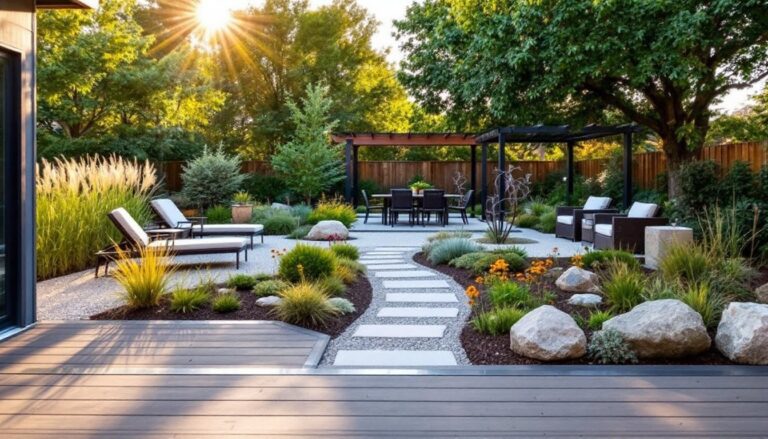
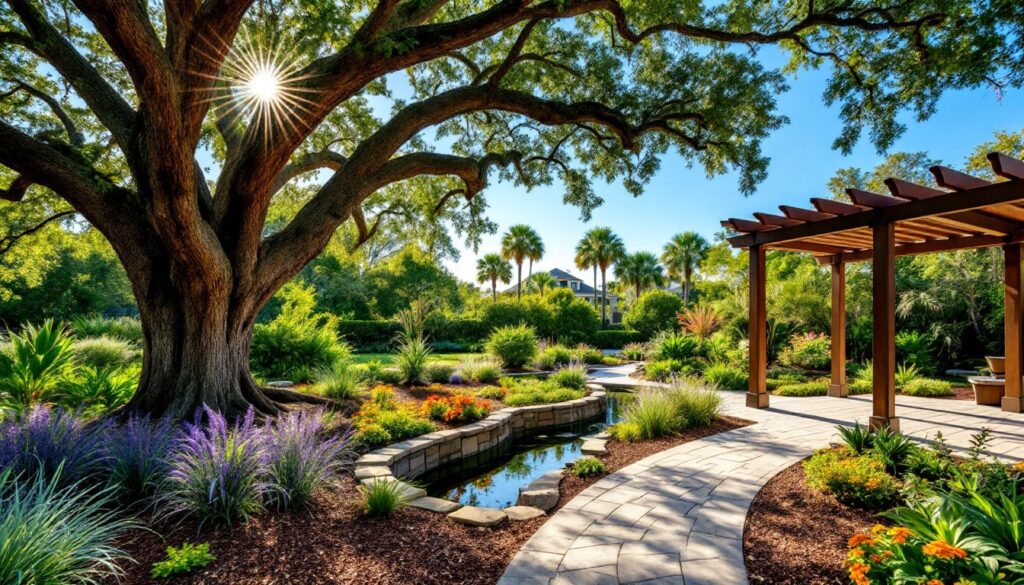
Pergolas and shade structures offer immediate relief. A pergola with slats angled at 30 degrees blocks high afternoon sun while allowing winter sun to warm the space. Unlike a solid roof, pergolas allow air circulation and light filtering. They also provide a framework for climbing vines like bougainvillea or native passion vine. Site pergolas on the west side of your home or seating areas for maximum afternoon shading.
Shade sails, tensioned fabric stretched between posts, are cheaper and faster to install than pergolas. They’re adjustable and can be removed in winter. But, they’re less permanent and require annual inspection for wind damage.
Shade cloth (30–50% shade factor) can be draped over nursery areas or sensitive plants during extreme heat waves. It’s a temporary measure, but it’s cheap and effective for protecting newly planted material until it establishes.
Combine shade structures with mulching to lower soil temperature by 5–10°F. This reduces plant stress, minimizes irrigation needs, and creates a more comfortable outdoor environment.
Design Hardscaping That Withstands Humidity and Salt
Florida’s humidity accelerates decay in organic materials, and coastal salt air corrodes metal and breaks down masonry. Your hardscape must be chosen and sealed carefully.
Pavers and stone are durable choices. Permeable pavers (made of recycled plastic or open-grid concrete) drain water and withstand salt spray. Flagstone, limestone, and travertine are porous and can absorb saltwater, leading to spalling (surface flaking). In coastal areas, use sealed travertine or granite: inland, unsealed options work fine. Avoid bluestone and slate, they’re beautiful but prone to moisture damage in Florida’s humidity.
Wood structures need to be salt-resistant and decay-resistant. Pressure-treated lumber is standard, but composite decking (wood fiber and plastic) resists rot and salt-spray staining better. Tropical hardwoods like cumaru or ipe are naturally resistant but expensive and environmentally questionable. For coastal properties, PVC-based composites are the most practical choice.
Metal hardware and railings corrode quickly in humid, salty environments. Stainless steel (grade 316 for coastal areas) resists corrosion far better than mild steel. Aluminum resists rust but can pit. Galvanized steel is acceptable but requires routine touch-ups.
Sealing and maintenance are non-negotiable. Seal pavers and stone annually with a penetrating sealer to prevent salt absorption and moisture damage. Composite decking should be rinsed with fresh water after heavy rains or coastal storms to remove salt residue. Metal railings need annual cleaning and inspection.
Modern Backyard Landscaping Ideas shows hardscape designs that blend aesthetics with durability in demanding climates.
Protect Against Florida Pests and Wildlife
Florida’s warm, moist environment hosts a year-round rogues’ gallery of pests: ants, mosquitoes, beetles, caterpillars, and fungi. Also, wildlife like armadillos, raccoons, and iguanas can wreak havoc on landscaping.
Insect management starts with plant selection. Pest-resistant native plants and well-acclimated ornamentals experience fewer infestations than stressed, non-native plants. A healthy plant under proper watering and light stress will naturally resist insect pressure better than a struggling tree.
Integrated Pest Management (IPM) principles apply: inspect plants regularly for early pest signs, remove infested leaves or branches, encourage beneficial insects (ladybugs, lacewings), and use organic or low-toxicity sprays only when necessary. Chemical blanket spraying invites resistance and harms non-target species.
Fungal diseases thrive in Florida’s humidity. Powdery mildew, leaf spot, and root rot are common. Proper spacing between plants improves air circulation and reduces fungal pressure. Avoid overhead irrigation in late afternoon: water at the base, early morning only. Remove fallen leaves and debris to eliminate fungal spore sources.
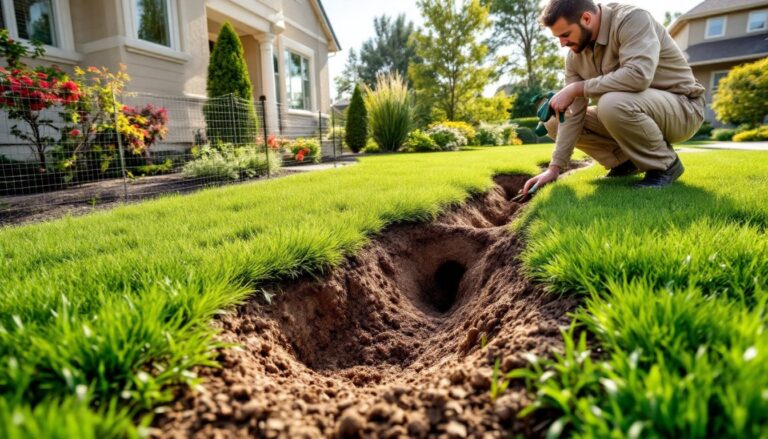
Wildlife barriers may be necessary. Armadillos dig through gardens looking for grubs: hardware cloth buried 12 inches underground and extending 6 inches above ground deters them. Raccoons and iguanas are more challenging, exclusion (removing food and shelter) is the most practical approach. Don’t leave pet food outside, and secure trash cans.
Mosquito management involves eliminating standing water (even shallow puddles in containers), maintaining proper drainage, and considering native plants that repel mosquitoes naturally (basil, rosemary, sage).
Plan for Hurricane Season and Weather Resilience
Florida residents face hurricane season annually from June through November. Your landscape design must account for high winds, flooding, and salt spray.
Tree selection and placement are critical. Avoid shallow-rooted species (like ficus or Brazilian pepper) near homes, utilities, or pools. Plant trees with strong branch angles and deep root systems, live oak, cabbage palm, and magnolia are proven survivors. Remove dead branches or trees before storm season: dead wood breaks easily at wind speeds above 40 mph.
Trim trees strategically to reduce wind resistance without deforming them. Remove crossing branches and interior deadwood. Avoid “topping” (cutting the crown off), which creates weak regrowth. Professional arborists can thin canopies while preserving tree structure, it’s worth the investment.
Secure hardscape and structures. Pergolas, shade sails, and containers must be bolted or weighted. Lightweight pots become projectiles at 60 mph winds. Consider removable or collapsible structures for the most vulnerable season.
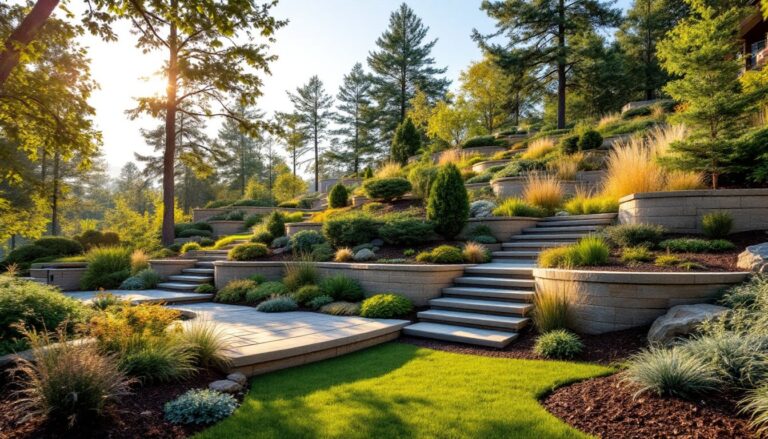
Elevation and grading protect against storm surge and heavy rainfall flooding. If your backyard is low-lying, building up planting beds and swales redirects water. Coastal properties should consider elevating hardscape (patios, walkways) above the storm surge line. Check your local FEMA flood maps and flood elevation certificates to understand your property’s risk.
Coastal resilience means planting salt-tolerant species, sealing exposed wood, and using hardy perennials rather than annuals that won’t survive salt spray. Resources like Southern Living feature regional design solutions for storm-prone areas.
Conclusion
Building a thriving Florida backyard requires working with your climate, not against it. Choose heat and humidity-adapted plants, manage water intelligently, and select hardscape materials rated for salt and moisture. Protecting your landscape from pests, wildlife, and hurricane damage safeguards your investment and keeps your outdoor space beautiful year-round. Start with one or two improvements, perhaps native plantings in a problem area or a rain garden for drainage, and expand from there. Your neighbors will notice, and more importantly, you’ll enjoy a backyard that actually makes sense in Florida.