Table of Contents
ToggleLiving in Fayetteville means enjoying beautiful Arkansas summers, and unfortunately, the pests that come with them. Mosquitoes, cockroaches, termites, and rodents don’t ask permission before moving in, and once they settle, they’re expensive and frustrating to evict. Most homeowners don’t realize that 80% of pest problems start small and escalate when ignored. This guide walks you through identifying common Fayetteville pests, implementing smart prevention strategies today, knowing when to hire professionals, and using safe solutions that protect your family. Whether you’re dealing with your first ant trail or protecting against seasonal invasions, you’ll find practical, no-nonsense tactics to keep your home pest-free year-round.
Key Takeaways
- Effective Fayetteville pest control starts with prevention—sealing gaps, eliminating water sources, and removing food attractants can prevent 70% of pest infestations before they require professional intervention.
- Termites, cockroaches, rodents, and mosquitoes are common in Fayetteville’s humid subtropical climate, with termite infestations potentially costing $10,000+ in structural repairs if left unaddressed.
- Call a professional pest control service if you spot termite mud tubes, persistent cockroaches despite cleaning, suspected rodent infestations, or bed bugs, as these require specialized expertise and tools.
- Safe, eco-friendly pest solutions like essential oil sprays, boric acid baits, neem oil, and heat treatments for bed bugs protect your family while effectively managing pest problems.
- Seasonal vigilance matters year-round—spring and summer require mosquito and termite monitoring, while fall and winter focus on rodent exclusion before they infiltrate your home.
- Year-round pest-free living requires quarterly professional inspections, consistent DIY maintenance, seasonal checklists, and documented records to catch problems early and prevent costly damage.
Common Pests In The Fayetteville Area And Why They Threaten Your Home
Fayetteville’s humid subtropical climate creates a year-round buffet for pests. Understanding what you’re up against is the first step to defending your home.
Termites are the silent destroyers. Subterranean termites (the most common species in Arkansas) tunnel through wood without visible damage until structural integrity fails. A single colony can consume a pound of wood per day. Catching them early means the difference between a $300 inspection and a $10,000 repair.
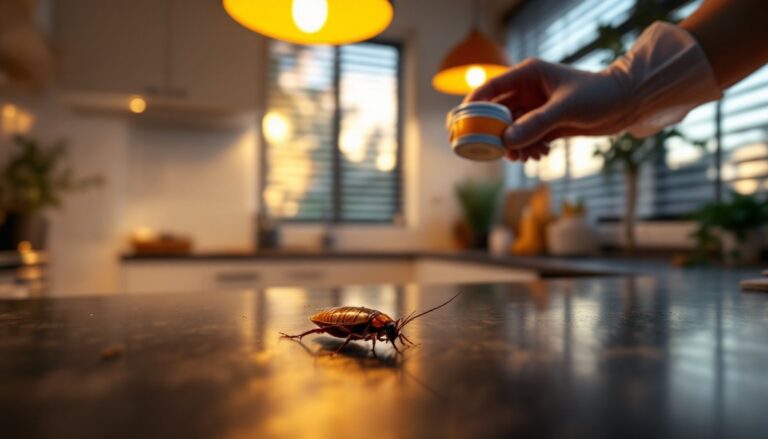
Cockroaches thrive in warm, damp environments. The American cockroach is Arkansas’s unwelcome resident, hiding in kitchens, bathrooms, and basements. Beyond being unsettling, they spread bacteria and trigger allergies, especially in kids.
Rodents (mice and rats) seek shelter in fall and winter, entering through gaps as small as a dime. Once inside, they contaminate food, chew electrical wiring (fire hazard), and reproduce rapidly. A single female mouse produces 5-10 litters per year.
Mosquitoes breed in standing water and carry West Nile Virus and other pathogens. Even a bottle cap of water will do. Peak season runs May through September, but warm winters mean extended pressure.
Carpenter ants hollow out wood to build nests, causing damage similar to termites. Unlike termites, they don’t eat wood, they tunnel through it, leaving sawdust-like frass.
Seasonal Pest Challenges In Arkansas
Spring (March–May) triggers ant invasions and increased mosquito activity as temperatures rise and rain creates breeding grounds. Summer amplifies everything: termite swarming (their mating flight), peak mosquito season, and rodents seeking food. Fall brings rodents retreating indoors before the cold, plus increased spider activity. Winter is quieter for outdoor pests, but rodents and cockroaches become indoor problems. Understanding these rhythms helps you time prevention and treatments strategically.
DIY Pest Prevention Strategies You Can Implement Today
You don’t need a pest control license to eliminate conditions that invite pests into your home. Prevention beats treatment every time.
Seal your exterior: Caulk cracks around windows, doors, and where utilities enter your home. Rodents need only a dime-sized opening. Check foundation cracks, roof vents, and soffit gaps. Weather stripping under doors is cheap and effective, do it now, not after you spot droppings.
Eliminate water sources: Fix leaky pipes, clean gutters, and ensure proper grading so water slopes away from your foundation. Mosquitoes breed in stagnant water: rodents need water to survive. Even a slow drip under the sink is an invitation.
Remove food attractants: Don’t leave pet food out overnight. Store dry goods (flour, cereal, pantry staples) in airtight containers, not open boxes. Take garbage out regularly and use sealed trash cans. Cockroaches need crumbs: ants need sweets.
Trim vegetation: Cut tree branches 6–8 feet away from your roof and siding. Remove dead wood and leaf litter where pests harbor. Vegetation touching your home is a literal bridge for pests to cross.
Store firewood properly: Keep it 20 feet away from your home and 12 inches above ground. Termites love damp wood piled against the house.
Inspect regularly: Walk your property monthly, especially after heavy rain. Look for mud tubes (termite tunnels), droppings, dead insects, or entry points. pest control services often catch problems homeowners miss, but your eyes catch the obvious ones first.
Use diatomaceous earth (food-grade) for common insects: This powder damages insects’ exoskeletons and is non-toxic to humans and pets. Dust it around baseboards, window sills, and under sinks where ants and cockroaches travel. Reapply after rain or cleaning.
When To Call A Professional Pest Control Service
DIY prevention handles 70% of pest problems. The other 30% require boots on the ground and professional-grade tools.
Call a pro if: You’ve spotted termite mud tubes (indicating an active colony). You’re seeing roaches even though cleaning and sealing, they’re hiding deep in walls. You suspect a rodent infestation (multiple droppings, chewing sounds at night, dead bodies). Mosquitoes are overwhelming and breeding grounds aren’t the issue. You’re dealing with a bed bug infestation (nearly impossible to DIY). You need to treat a termite situation, mishandling the application spreads the colony or misses the queen.
What to expect: A licensed Fayetteville pest control technician will inspect your home, identify the pest type and extent, and recommend treatment. Professional treatments use targeted pesticides and methods (baiting, dusting, perimeter spraying) far more effective than consumer products. Many offer guarantees: if pests return within the service period, they retreat at no charge. According to home improvement cost guides, typical pest control service costs $300–$900 depending on infestation severity and home size.
Red flags: Avoid any service that refuses an inspection before quoting. Be wary of “spray everything” proposals, good technicians target problem areas. Don’t trust a company that won’t explain what chemical they’re using or how it works.
Eco-Friendly And Safe Pest Control Solutions For Families
You don’t have to choose between effectiveness and safety. Several proven methods work without harsh chemicals.
Essential oil sprays: Peppermint, cedarwood, and citrus oils repel ants, spiders, and roaches. Mix 15–20 drops with water and spray baseboards and entry points weekly. It’s not a long-term fix alone, but it supports other prevention layers and keeps your home smelling better than a pesticide cloud.
Boric acid for targeted roach control: Mixed into baits (1 part boric acid, 3 parts powdered sugar, water to form a paste), boric acid is lethal to roaches but low-toxicity to humans at kitchen-safe doses. Place small amounts in inaccessible corners, behind refrigerators, under sinks. Keep away from pets and kids.
Neem oil: This plant-based insecticide disrupts insects’ growth cycles. It works on aphids, spider mites, and soft-bodied insects. Mix and spray per label directions. It’s gentler than synthetic pyrethroids but still requires care around pets.
Beneficial insects: Release ladybugs or parasitic wasps in your garden to control pest populations outdoors before they enter your home. Many nurseries carry beneficial insects year-round.
Heat treatment for bed bugs: If you’re stuck with bed bugs, professional heat treatment (raising interior temperature to 118°F for hours) kills all life stages without chemicals. It’s expensive ($1,500–$3,000) but effective and safe for families.
Sticky traps: Inexpensive and non-toxic, these trap roaches, flies, and mice. Place them along walls and under cabinets. Check them weekly, they tell you where the problem is densest.
Maintaining A Pest-Free Home Year-Round
One treatment isn’t enough. Pests are persistent: your defense must be too.
Develop a seasonal checklist: Spring means mosquito prevention (drain standing water, apply pre-emergent mosquito treatment). Summer focuses on termite vigilance and rodent exclusion before fall. Fall prioritizes rodent entry points. Winter means monitoring indoor pests. Homeowner maintenance guides often include pest checkpoints you can adapt to Fayetteville’s calendar.
Schedule quarterly inspections: Even if you DIY, a professional inspection twice yearly catches problems early. Many services offer plans starting at $40–$60 per visit.
Keep records: Document what pests you’ve encountered, when, and what worked. This history helps you (and future pest control technicians) spot patterns and anticipate seasonal flare-ups.
Partner with professionals: Services like 901 Pest Control offer year-round monitoring, typically visiting quarterly or monthly depending on your plan. It’s insurance against infestation.
Stay disciplined on prevention: It’s tempting to relax in winter when outdoor pests quiet down, but that’s when rodents move in. Don’t skip sealing, cleaning gutters, or checking for entry points just because you’re not seeing bugs. Prevention is cheaper than cure every single time.
Conclusion
Fayetteville’s climate makes pest problems almost inevitable, but they’re far from unavoidable. Start with prevention today: seal gaps, eliminate water, remove food sources, and trim vegetation. Use DIY methods and monitoring for maintenance. Know when to call professionals, don’t let ego or budget concerns turn a small problem into structural damage. Whether you tackle it solo or partner with a service, consistency matters most. Your home is your biggest investment: protecting it from pests is just smart homeownership.