Table of Contents
ToggleLiving in Clermont means enjoying Florida’s warm climate and natural beauty, but it also means sharing your space with pests that thrive in this environment. From termites eating through your framing to cockroaches hiding in kitchen cabinets, a pest problem can escalate fast if left unchecked. Whether you’re dealing with an active infestation or trying to prevent one, this guide walks you through identifying common Clermont pests, spotting warning signs, tackling small problems yourself, and knowing when to call in professionals. Let’s get your home pest-free.
Key Takeaways
- Clermont’s warm, humid climate attracts common pests including termites, cockroaches, rodents, and mosquitoes—identifying these threats early is essential to preventing costly structural damage.
- Clermont pest control requires knowing the warning signs: termite mud tubes, rodent droppings, wood damage, and visible pest activity demand immediate action to stop infestations before they spread.
- DIY pest control works for small infestations using gel baits for ants and roaches, traps for rodents, and standing water removal for mosquitoes, but skip DIY for termites or widespread problems.
- Professional pest control services in Clermont typically cost $150–$400 for initial treatment and $100–$200 for ongoing quarterly visits, offering expertise and guarantees that DIY solutions cannot provide.
- Prevention is the most cost-effective pest control strategy: seal foundation cracks, eliminate moisture, remove food sources, maintain landscaping away from your home, and inspect regularly to catch problems early.
Common Pests in the Clermont Area
Clermont’s warm, humid climate is paradise for pests. Understanding what you’re up against is the first step in protecting your home.
Termites are the heavyweight troublemakers in central Florida. Subterranean termites (the most common type) live in soil and tunnel through wood framing, causing structural damage that can cost thousands to repair. They work silently, often unnoticed until serious damage is done.
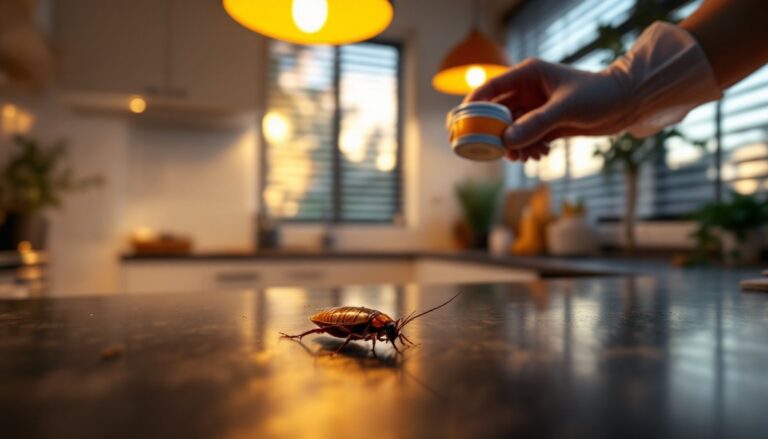
Cockroaches thrive in Clermont’s humidity. American and German roaches both colonize homes, contaminating food, spreading pathogens, and triggering allergies. They reproduce rapidly and hide in wall voids, under appliances, and inside cabinet joints.
Ants range from nuisance species (like pharaoh ants in kitchens) to aggressive fire ants outdoors that sting and damage landscaping. Florida carpenter ants burrow into wood but don’t eat it like termites, still, they signal moisture problems that need fixing.
Mosquitoes breed in standing water and are active year-round in Clermont. Beyond being annoying, they carry diseases. Even a birdbath or clogged gutter becomes a breeding ground.
Rodents (rats and mice) seek shelter indoors, especially in cooler months. They chew wiring, contaminate insulation, and pose health hazards. Once inside, they multiply quickly and are hard to evict without professional help.
Spiders, earwigs, and silverfish are common indoor finds. Most aren’t dangerous, but large populations suggest underlying moisture or food source problems.
Signs You Have a Pest Problem
Catching an infestation early saves money and prevents structural damage. Know what to look for.
Visible droppings are a red flag. Rodent droppings are small, dark, and rice-shaped. Cockroach droppings look like pepper specks. Finding them in cabinets, corners, or behind appliances means an active colony.
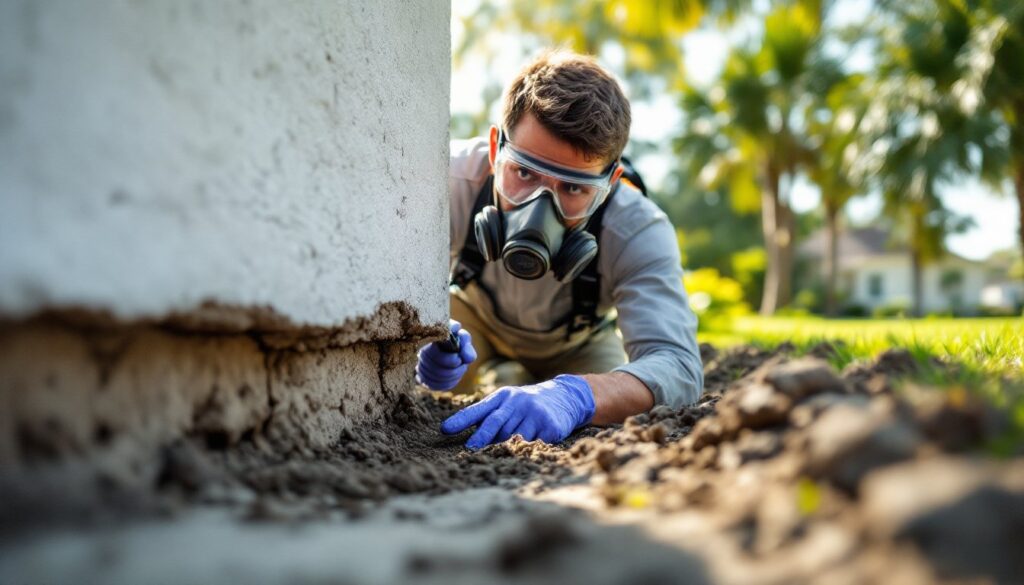
Mud tubes on foundation walls or inside crawl spaces indicate subterranean termites. These pencil-thick tubes allow termites to travel safely between soil and wood, so their presence demands immediate attention.
Wood damage appears as hollowed-out sections, sagging floors, or soft spots when you press trim or joists. Termite-damaged wood sounds hollow when tapped. Carpenter ant galleries are cleaner and leave fine sawdust, while termite damage is messier with packed mud.
Live or dead pests wandering indoors, especially at night, suggest a population inside. A single cockroach in the kitchen might be a scout: finding several means you have an infestation.
Unusual odors, musty, ammonia-like smells, often accompany rodent infestations. Bed bugs also have a sweet, musty odor when present in large numbers.
Damaged food packaging, chewed fabric, or gnawed holes in walls point to rodents or insects. Check pantry items and storage boxes regularly.
Pest droppings near entry points (foundation cracks, door seals, window frames) show how pests are getting in. Sealing these is essential after treatment.
DIY Pest Control Solutions for Homeowners
Small pest problems can often be handled without calling a pro, but know your limits. If you see termite mud tubes, structural damage, or a widespread infestation, skip the DIY approach.
For ants and roaches: Gel baits are your best friend. Products containing imidacloprid or fipronil work by allowing worker ants and roaches to carry the poison back to the nest, killing the colony. Place baits along trails, near entry points, and under sinks. Leave them undisturbed for 7–14 days: the colony dies as the bait spreads. Clean up food debris, seal cracks, and remove standing water sources.
For rodents: Snap traps or electronic traps work better than glue traps (which are inhumane and messy). Bait with peanut butter, chocolate, or nesting material. Place traps perpendicular to walls where you see droppings or gnaw marks, mice follow wall lines. Check traps daily and dispose of dead rodents using gloves and a sealed bag. Then seal entry holes with caulk or steel wool: rodents can’t chew through steel.
For mosquitoes: Empty any standing water (birdbaths, plant saucers, clogged gutters) every 3–5 days. Mosquito larvae develop in water in as little as 4 days. For larger areas like pond retention, consider mosquito dunks (Bacillus thuringiensis) that kill larvae without harming pets or plants. Use screens on windows and doors, and apply insect repellent when outdoors.
For general prevention: A shop vacuum with a HEPA filter and crevice attachment is invaluable for removing roach droppings, spider webs, and insect debris from corners, appliances, and baseboards. Wear a dust mask when vacuuming pest-contaminated areas.
Natural and Chemical Treatment Options
You have choices in how aggressive to be.
Natural options include diatomaceous earth (food-grade only: it damages the exoskeletons of soft-bodied insects), essential oil sprays (peppermint and tea tree repel some pests), and neem oil (disrupts insect reproduction). These are safer around kids and pets but often less effective on established infestations. They work best for prevention or light infestations.
Chemical options include pyrethrin-based sprays (fast-acting but break down quickly), neonicotinoids like imidacloprid (used in gel baits and spot treatments), and permethrin for outdoor use. Chemical treatments are more reliable but require careful application and PPE, wear nitrile gloves, goggles, and a respirator when applying sprays. Read labels thoroughly: some pesticides require ventilation or pet/child exclusion periods.
Combination approach: Many pros recommend a two-step method. Start with baits or traps to eliminate immediate populations, then use preventive measures (sealing, sanitation, removing harborage) to stop reinfestation. This cuts chemical use while improving success rates.
When to Call Professional Pest Control Services
Know when DIY isn’t enough. Professional pest control is worth the investment when the problem is large, structural, or persistent.
Call a pro if: You see termite mud tubes or suspect structural damage: you’ve found multiple rodent entry points or evidence of nesting in walls or attics: cockroach infestations persist after baiting: or you’re dealing with bed bugs, which are notoriously hard to eradicate alone. Carpenter ants, subterranean termites, and severe rodent infestations all require professional treatment and follow-up inspections.
Professionals use equipment and pesticides not available to homeowners, fumigants, dust formulations applied deep into wall voids, and heat treatments (for bed bugs). They also have the training to identify entry points and moisture issues that enable infestations. Many offer guarantees, meaning if pests return within a set period, they’ll re-treat at no charge.
According to top-rated pest control specialists in Clermont, FL, local professionals typically charge $150–$400 for an initial inspection and treatment, depending on infestation severity. Ongoing monthly or quarterly service runs $100–$200 per visit. Costs vary by company and infestation scope, so get multiple quotes.
When hiring, ask about their training (licensed applicators), the products they use (safer options exist), and whether they offer a re-treatment guarantee. A reputable company will inspect thoroughly before recommending treatment, not just spray and leave.
Prevention Tips to Protect Your Clermont Home
The best pest control is preventing infestations in the first place. These habits save money and headaches.
Seal entry points. Walk around your foundation, check for cracks larger than 1/8 inch, and seal them with concrete caulk. Around pipes, wiring, and vents, use expandable foam or caulk. Check weatherstripping on doors and window frames: rotted or missing seals are highways for pests. Replace damaged screening immediately.
Eliminate moisture. Florida’s humidity is your enemy. Fix leaky pipes under sinks and around HVAC units. Ensure gutters drain away from the foundation (at least 4–6 feet). Use a dehumidifier in crawl spaces or basements to keep humidity below 60%, termites thrive in damp conditions. Insulate cold water pipes to prevent condensation.
Remove food and harborage. Store pantry items in airtight containers, not cardboard boxes. Take out trash regularly and keep dumpsters away from the house. Trim vegetation (especially mulch and plant debris) 12 inches away from the foundation: this removes pest hiding spots and allows better inspection access.
Keep your home clean. Sweep regularly, especially in corners and under appliances. Roaches and ants follow food trails: eliminating crumbs and grease starves them. Wipe down counters, sweep floors, and don’t leave pet food out overnight.
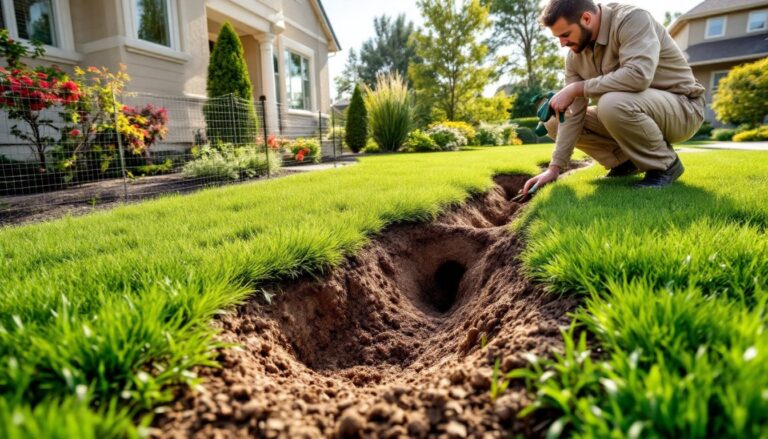
Inspect regularly. Walk your foundation quarterly, check for mud tubes, droppings, or wood damage. Early detection of a small problem beats dealing with structural termite damage later. Look inside the attic at least once a year for signs of moisture, rodents, or insects.
Landscape wisely. Don’t plant trees or shrubs directly against the house. Mulch can hide termites, so use hardscape materials (rocks or gravel) 12 inches from the foundation. Trim tree branches that touch the roof, they’re pest highways.
Use preventive treatments. Many pest control companies offer regular inspections and bait station maintenance. This is especially valuable for termites, which can cause six-figure damage if left unchecked. Resources like HomeAdvisor and ImproveNet connect you with local contractors who can assess your specific risks and recommend preventive measures tailored to your Clermont property.
For ongoing strategies, explore pest control archives on this site for seasonal tips and detailed how-to guides on sealing, cleaning, and maintaining a pest-resistant home.
Conclusion
Pest control in Clermont doesn’t require panic, it requires awareness, action, and the good judgment to know when to DIY and when to call in professionals. Start with prevention: seal cracks, eliminate moisture, and keep your home clean. Spot problems early by inspecting regularly and learning what termite mud tubes, droppings, and wood damage look like. Use baits and traps for minor ant, roach, and rodent issues, but don’t hesitate to call a licensed pest control company for structural pests or persistent infestations. Your Clermont home is worth protecting.