Table of Contents
ToggleMelbourne’s warm, humid climate creates the perfect storm for cockroach infestations. If you’ve spotted one of these unwelcome guests scuttling across your kitchen floor, you’re not alone, and acting fast matters. Cockroaches aren’t just a nuisance: they’re a hygiene hazard that can spread disease and allergens throughout your home. This guide walks you through why Melbourne homes attract cockroaches, how to spot an infestation early, and the DIY methods that actually work. You’ll also learn when it’s time to bring in the professionals. Whether you’re dealing with a single stray or a full-blown colony, you’ve got options.
Key Takeaways
- Melbourne’s warm, humid climate makes cockroach pest control essential, as the environmental conditions allow colonies to reproduce rapidly—a female German cockroach produces 30-40 nymphs every six weeks.
- Early detection is critical: look for live roaches at night, dark droppings, musty odors, egg cases, and shed skins to identify infestations before they become severe.
- Effective DIY cockroach pest control starts with sanitation—deep cleaning, eliminating water sources, removing clutter, and storing food in airtight containers to eliminate the three things roaches need: food, water, and shelter.
- Gel baits like Maxforce or Advion are highly effective DIY treatments that poison entire colonies, with most minor infestations clearing within 3-4 weeks of consistent treatment.
- If the infestation persists beyond 4-6 weeks of DIY efforts or involves severe daily sightings, hire a licensed Melbourne pest control professional offering heat treatment or integrated pest management for guaranteed results.
- Renters should contact landlords immediately, as pest control is typically their responsibility under Victorian rental laws—delaying action makes cockroach elimination significantly harder.
Why Melbourne Homes Face Cockroach Problems
Melbourne’s climate is a cockroach paradise. The combination of warm temperatures, moisture from humidity, and plenty of indoor shelter year-round means these pests thrive in urban and suburban homes alike. Cockroaches don’t care if your house is spotless, they’re attracted to any environment that offers food, water, and harborage (cracks, crevices, and dark corners where they can hide and breed).
Older Melbourne homes are especially vulnerable. Wooden floorboards, gaps around plumbing, and cracks in external walls provide easy entry points and ideal hiding spots. Even newer homes aren’t immune if they back onto gardens or share walls with infested neighbors. Cockroaches are mobile and persistent: they’ll travel through walls, pipes, and shared spaces looking for resources.
The problem compounds quickly because cockroaches reproduce rapidly. A female German cockroach, the most common species in Melbourne, can produce 30 to 40 nymphs every 6 weeks. Without intervention, a handful of roaches becomes a colony in months.
Signs You Have A Cockroach Infestation
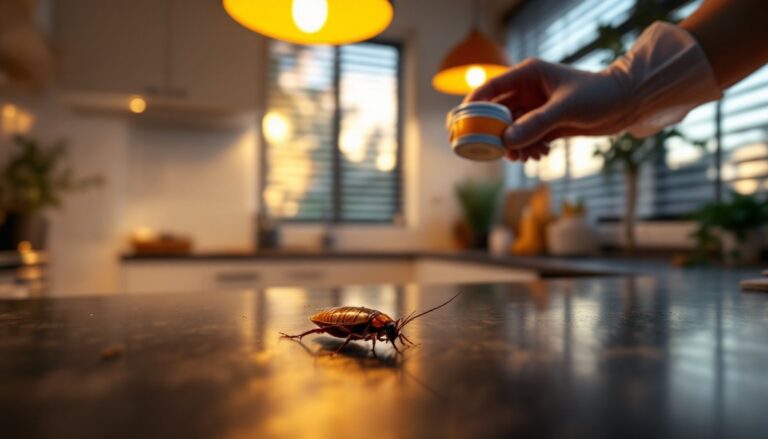
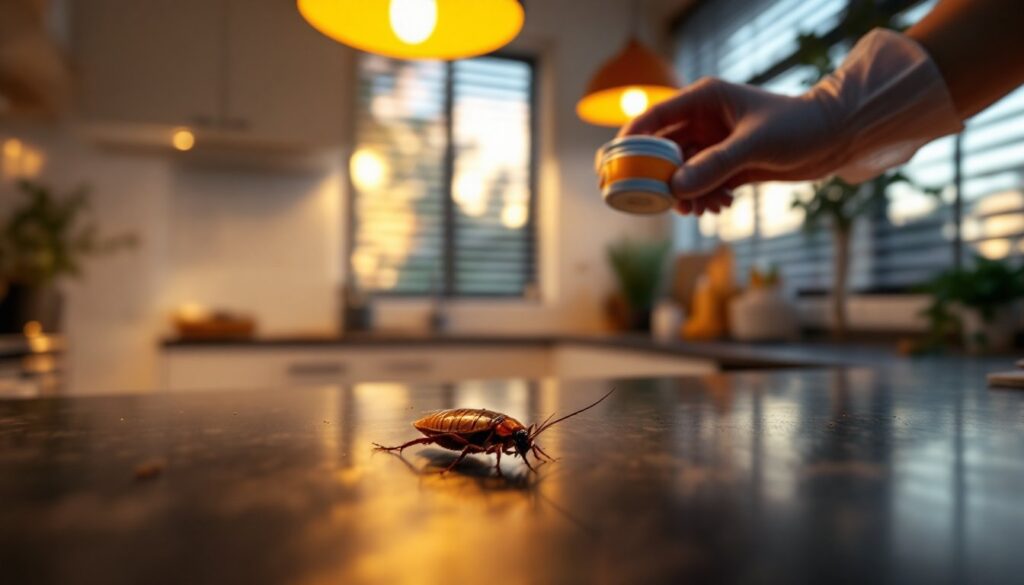
Spotting an infestation early makes control far easier. The obvious sign is seeing live cockroaches, usually at night when they’re most active. If you flip on a kitchen light and spot one (or several) scattering, you likely have a breeding population already present.
But you don’t need to see them to know they’re there. Look for cockroach droppings, which appear as tiny dark specks or pellets about the size of ground pepper, concentrated in corners, under sinks, or along baseboards. You might also notice a faint, musty odor, the pheromone trail left by roaches that attracts more of them to the same spot.
Another telltale sign is finding egg cases (oothecae), which look like small brown capsules. They’re often hidden in dark crevices near food sources or water. If you see these, the infestation has been established long enough to produce multiple generations. Finally, check for shed skins or cast-off exoskeletons near harboring areas: cockroaches molt as they grow, leaving these papery shells behind.
DIY Cockroach Control Methods That Work
Cleaning, Sanitation, And Prevention
Honestly, this is where most DIY efforts should start. It’s free, it’s safe, and it works, if you’re consistent. Cockroaches need three things: food, water, and shelter. Remove those, and you starve the population.
Start with deep cleaning. Get into baseboards, behind appliances, and under sinks with a vacuum and damp cloth. Cockroaches leave pheromone trails that guide others to food and water sources: cleaning physically removes these chemical breadcrumbs. Don’t skip the stove and oven, grease and food debris are cockroach magnets.
Eliminate water sources. Fix any dripping taps, leaky pipes, or standing water under sinks or around bathrooms. Cockroaches can survive weeks without food but only days without water. A single droplet under your kitchen sink is enough to sustain a colony. Dry your sinks and bathtubs before bed: wipe counters thoroughly.
Remove clutter and harborage. Pack away cardboard boxes, old newspapers, and anything else that creates hiding spots. Seal cracks and crevices in walls, baseboards, and around door frames using caulk or silicone sealant (clear or paintable varieties work fine). Pay special attention to gaps where pipes enter walls, cockroaches squeeze through surprisingly tiny openings.
Store food properly. Keep pantry items in airtight containers, not open boxes. Take out rubbish regularly and use sealed bins, not open pails. Pet food bowls should be cleaned immediately after use, not left out overnight.
Baits, Traps, And Natural Treatments
If cleaning hasn’t solved the problem within two weeks, it’s time to use targeted control products. Cockroach baits are highly effective for DIYers and often work faster than sprays because they disrupt the colony’s reproduction cycle.
Gel baits (brands like Maxforce or Advion) contain an insecticide mixed with an attractant. Roaches eat the bait and carry the poison back to their nest, poisoning the entire colony. Place baits in tight lines along baseboards, in kitchen cabinets, under sinks, and behind appliances, anywhere you’ve seen droppings or activity. Replace baits every 2-3 weeks or as directed. Wear gloves when handling, and keep baits away from children and pets.
Sticky traps are useful for monitoring and catching individual roaches, but they won’t solve a full infestation. They work best combined with baits. Place them along walls, in corners, and near water sources. Check and replace traps weekly.
For those preferring to avoid chemicals, diatomaceous earth (DE) is a non-toxic option. Food-grade DE works by damaging the roach’s outer shell, causing dehydration. Dust a thin layer along baseboards and under appliances (avoid thick accumulations: they’re less effective and harder to clean). Reapply after vacuuming or cleaning. Wear a mask when applying, don’t inhale the fine powder. DE takes longer than baits (1-2 weeks) but is safe around pets and children once dry.
Boric acid powder was once common but is less recommended today due to toxicity risks, especially in homes with pets or small children. If you use it, apply it only in areas they can’t access, wear gloves, and keep it away from food preparation surfaces.
Combine methods for best results. Use baits as the primary control and sticky traps to monitor progress. Continue sanitation throughout, even the best bait won’t work if roaches can find water and food elsewhere. Most minor infestations clear within 3-4 weeks of consistent treatment. Larger colonies may take 6-8 weeks.
When To Call Professional Pest Control In Melbourne
There’s no shame in calling in professionals. Some situations demand their expertise, equipment, and follow-up.
You should hire a professional pest control service if the infestation is severe (you’re seeing roaches daily even though DIY efforts), if it persists beyond 4-6 weeks of consistent treatment, or if you have a large multi-unit property where neighbors’ infestations keep migrating to your space. Professional exterminators have access to stronger insecticides and can inspect wall cavities, roof voids, and other areas homeowners can’t easily reach.
Professionals also handle the paperwork and compliance. Some Melbourne local councils require pest control for rental properties or in cases of health code violations. A licensed pest controller can document their work and provide certificates of treatment if needed.
There are several top-rated cockroach exterminators serving Melbourne with proven track records. Look for services offering heat treatment (which kills all life stages of cockroaches in a single application) or integrated pest management (IPM), which combines baits, traps, and exclusion work for long-term results.
Expect to pay $200-$500+ for an initial professional treatment, depending on the property size and infestation severity. Some services offer follow-up visits at a reduced rate to ensure the infestation doesn’t return. Ask about warranties, reputable firms guarantee their work for 30-90 days.
If you’re renting, contact your landlord immediately. Pest control is typically their responsibility under rental laws in Victoria. Don’t wait: the longer you delay, the harder it becomes to eliminate.
Conclusion
Cockroach control in Melbourne starts with prevention and sanitation, then escalates to baits and traps if needed. Most infestations are DIY-manageable if you act fast and stay consistent. Remove food sources, eliminate water, seal entry points, and use gel baits for faster results. Monitor progress with sticky traps and keep treating until activity stops completely. If the problem persists or overwhelms you, calling a licensed professional pest control service takes the stress out and guarantees results. Either way, catching the problem early makes all the difference.