Table of Contents
ToggleTired of mowing? You’re not alone. More homeowners are ditching the grass-centered lawn in favor of low-maintenance, visually striking landscapes that require less water, less upkeep, and zero guilt about skipping yard work on a Saturday morning. Whether you’re motivated by drought concerns, time constraints, or simply want something more interesting than turf, grassless landscaping offers real freedom. This guide walks you through seven practical approaches to transform your yard into a thriving, maintenance-free outdoor space that looks sharp year-round.
Key Takeaways
- Backyard landscaping ideas without grass save time and water while creating visually striking outdoor spaces that eliminate weekend mowing.
- Hardscaping foundations like patios, permeable pavers, and gravel pathways form the backbone of a grassless yard and reduce maintenance costs.
- Native and drought-tolerant plants thrive in local conditions, require minimal fertilizer once established, and attract pollinators for a sustainable garden.
- Use mulch layers, ground covers, and landscape fabric together to suppress weeds and reduce upkeep in areas where grass once grew.
- Rocks, gravel, and decorative elements add year-round visual interest and cost far less than plants while anchoring garden design.
- Phase your grassless yard conversion by tackling one section at a time, sourcing free or discounted materials, and using DIY labor to stay within budget.
Hardscaping Foundations: Patios, Paths, and Outdoor Living Spaces
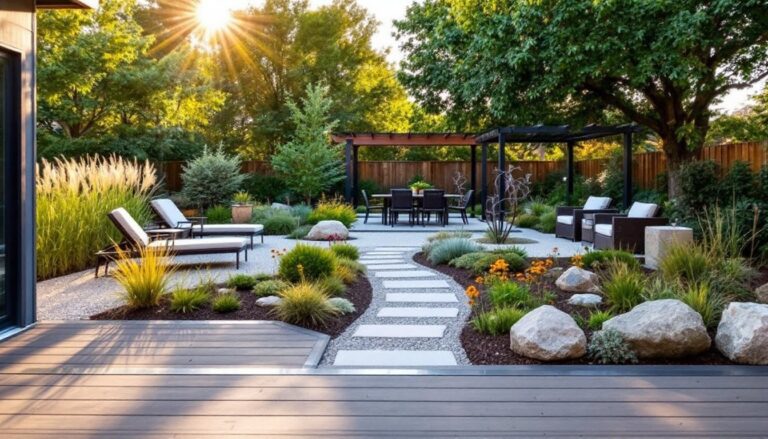
Hardscaping, the non-plant elements like concrete, stone, and pavers, forms the backbone of a grassless yard. A well-designed patio or deck becomes the functional centerpiece, creating an actual destination for outdoor living rather than just green space to mow.
Start with a composite deck or permeable pavers if water drainage matters in your climate. Permeable pavers let rainwater soak through, reducing runoff and keeping your yard from becoming a swamp during storms. For a more rustic feel, natural stone flagging or bluestone offers durability and character, though they cost more upfront than concrete.
Pathways matter too, they guide visitors and divide zones without eating up budget. Gravel paths work surprisingly well and cost just a few hundred dollars for a 50-foot stretch. Brick or concrete stepping stones create clean lines and handle foot traffic without constant maintenance. Many homeowners use a mix: hardscaping for the main entertaining area, gravel for secondary paths, and edging that clearly separates materials from planted zones.
Low-Maintenance Ground Covers and Mulch Options
Where grass once grew, ground covers and mulch layers take over. Bark mulch suppresses weeds, retains soil moisture, and costs $3–6 per cubic yard depending on grade and region. Refresh mulch every 18–24 months as it breaks down. Wood chips are cheaper ($2–4 per yard) and work fine for pathways, though they decompose faster and attract termites if stacked against house siding.
For a more refined look, landscape fabric underneath prevents weeds without chemicals. Lay it down, overlap seams by 6 inches, and secure with landscape staples. Never skip this step: bare mulch alone invites a weed nightmare.
Ground cover plants, like creeping thyme, sedums, or creeping junipers, add texture and life without mowing. They spread over 2–3 seasons, eventually reducing mulch maintenance. Thyme tolerates foot traffic and smells wonderful when stepped on. Sedums handle dry, rocky spots. Junipers fill large areas quickly and work in shade. Choose varieties suited to your hardiness zone: a local nursery can advise better than mail-order catalogs.
Native Plants and Drought-Tolerant Gardens
Native plants are landscaping‘s secret weapon: they thrive in local conditions, rarely need fertilizer, and attract pollinators. A native plant garden requires less water than grass once established, though the first year demands regular watering to help roots establish.
Research what thrives in your region. In the Southwest, consider desert marigold, blanket flower, and penstemon. Midwest yards love black-eyed Susans, coneflowers, and Russian sage. Coastal or humid zones might feature butterfly weed, asters, and bee balm. These aren’t wimpy shade-garden rejects, many are vibrant, season-long bloomers that outperform conventional ornamentals.
Drought-tolerant doesn’t mean boring. Layer heights: tall grasses in back, mid-size perennials in the middle, low spreaders in front. Add spring bulbs for early-season color. Once established, after year two, these gardens laugh at dry summers and rarely need fertilizer. Water deeply but less frequently during establishment, then you’re mostly just deadheading and dividing every few years. That’s genuine low-maintenance, not just marketing speak.
Creating Visual Interest With Rocks, Gravel, and Decorative Elements
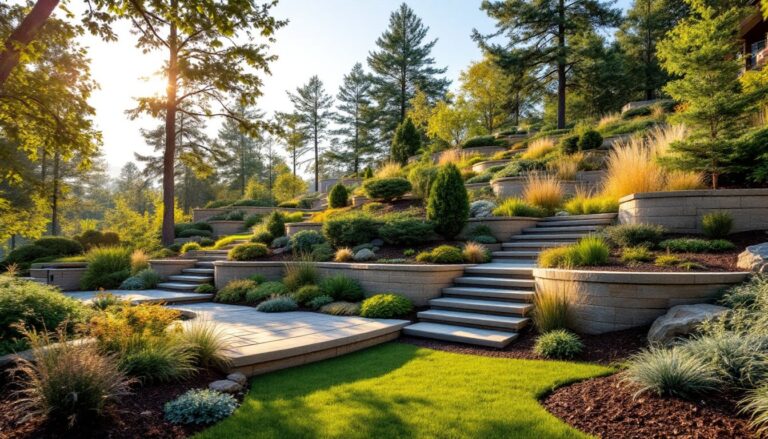
Rocks and gravel aren’t just filler: they anchor a design and add texture that bare soil can’t. River rock (smooth, rounded stones) creates a Zen garden vibe and works well around specimen plants. Crushed granite looks modern and compacts naturally into a stable surface, making it ideal for pathways. Spread it 2–3 inches deep for coverage and stability. Pea gravel is softer underfoot and pretty, but it shifts and needs raking, great for visual interest, less ideal for high-traffic areas.
Use rock strategically: frame a specimen shrub with darker river rock, edge beds with slate pieces, or create a dry creek bed with layered stone sizes to mimic natural water flow. These elements cost far less than plants and add year-round visual appeal.
Incorporate large boulders as focal points, a single 500-pound moss rock or granite piece becomes sculpture that grounds a zone. Add metal garden art, decorative trellises, or seating areas tucked into planted zones. Hardscape edges (metal or composite borders) keep mulch and gravel in place and create clean sight lines.
Designing Functional Zones for Entertainment and Relaxation
A successful grassless yard isn’t one big mulch bed, it’s a series of distinct zones that serve different purposes. A dining patio near the house (12 × 16 feet minimum) works for table and chairs. A lounge seating area with a fire pit or shade structure invites relaxation. A garden display zone showcases plantings. Each zone needs clear boundaries: a change in surface material, a subtle elevation shift, or planted buffer.
Boundaries don’t require fencing. Plant tall grasses or shrubs between zones, or use a gravel path that naturally guides foot traffic. Shade structures matter, a pergola, shade sail, or mature tree canopy makes a space usable in summer heat. Lighting (solar path lights, string lights, or landscape spotlights) extends usability into evening and costs surprisingly little.
Consider sight lines and traffic flow. Don’t plant a 4-foot shrub directly in a pathway where guests stumble around it. Position seating to face views, not a wall. Leave open sightlines to water features or focal point plants. This is where a simple sketch, even pencil on paper, prevents costly mistakes.
Budget-Friendly Tips for Grassless Yard Conversions
Converting to a grassless landscape doesn’t require a five-figure budget. Phase the project: tackle the front yard or one section first, learn what works, then expand.
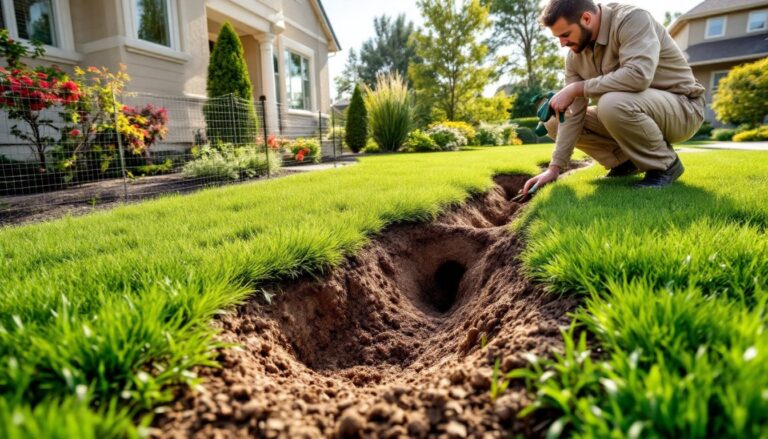
Kill the grass cheaply: Lay cardboard or newspaper over existing lawn, overlap seams 6 inches, wet it down, then pile mulch on top. Cardboard decomposes over 3–6 months, smothering grass without herbicides. Skip the sod-stripping rental ($100–150/day).
Source free or cheap materials: Mulch from local tree-trimming services often costs zero if you pick it up. Craigslist and Facebook Marketplace overflow with used pavers, stone, and landscape rock, sometimes free if you haul it. Split larger purchases with neighbors.
Plant smaller specimens: A 2-gallon perennial costs $8–12 vs. $50+ for a 15-gallon shrub. Five smaller plants fill space as well as one big plant after a season. Native plants from local sources (not mail-order) reduce cost and shipping waste.
DIY labor: This is where you save most. Laying mulch, installing edging, and arranging rock takes time but no special skills. Hardscape installation (patio pavers) is physical but learnable from YouTube tutorials and one helper. Reserve professional help for complex drainage, permitting issues, or specialized work like natural stone masonry.
Conclusion
A grassless yard isn’t a compromise, it’s an upgrade. You reclaim weekends, reduce water bills, and create a landscape that’s more visually interesting and ecologically valuable than monoculture turf. Start with hardscape bones, layer in ground covers and native plants, and use rocks and mulch to tie zones together. Phase the work, source materials smartly, and you’ll build something that looks intentional and feels genuinely low-maintenance. The best part? Once it’s established, your yard works for you instead of the other way around.