Table of Contents
TogglePests don’t wait for permission to move in. Whether it’s ants marching across your kitchen, rodents scratching behind walls, or insects nesting in your attic, an infestation can turn into a costly headache fast. Core pest control, a proactive, layered approach that combines prevention, early detection, and targeted treatment, is how homeowners stay ahead of the problem. This guide walks you through identifying common household pests, tackling small infestations yourself, and knowing when to bring in a licensed professional. The goal isn’t perfection: it’s keeping your home pest-free without turning your life upside down.
Key Takeaways
- Core pest control is a proactive, layered approach combining prevention, early detection, and targeted treatment that saves money by catching problems before they spiral into costly repairs.
- Identify common household pests like carpenter ants, cockroaches, mice, and termites early using visual signs such as droppings, mud tubes, and gnaw marks to determine whether DIY or professional treatment is needed.
- Seal entry points larger than 1/4 inch, eliminate food sources and moisture, and declutter to prevent pest infestations—this preventive housekeeping is the foundation of core pest control.
- Use targeted DIY treatments like ant baits, mouse traps, and gel cockroach baits for small infestations, but call a licensed pest control professional for termites, large infestations, or persistent rodent problems.
- Implement integrated pest management (IPM) strategies combining physical exclusion, environmental controls, and targeted pesticides to create a long-term, low-risk pest control plan.
What Is Core Pest Control and Why It Matters
Core pest control is preventive housekeeping combined with intelligent pest management. It’s not about spraying chemicals at every shadow or waiting until you’ve got a full-blown infestation. Instead, it’s a systematic approach: seal entry points, reduce attractants, monitor for early signs, and respond quickly if problems start.
Why does this matter? Pests cause real damage, termites eat through wooden structural members, rodents chew electrical wiring and risk house fires, and cockroaches contaminate food and spread allergens. Beyond the physical damage, an infestation eats time and money. A single mouse problem caught early might cost $200–$400 to handle: ignore it for six months and you’re looking at $1,500+ in repairs plus exterminator fees.
Core pest control saves money by catching problems before they spiral. It also means fewer chemical applications overall, which is safer for your family and pets. Think of it like regular oil changes for your house, a small investment in maintenance beats emergency repairs.
Common Household Pests and How to Identify Them
Insects and Rodents
The most common indoor pests fall into a handful of categories. Ants are usually the first invaders, they’re small, organized, and leave visible trails. Carpenter ants are larger (about 1/2 inch) and hollow out wood: regular ants just want your food.
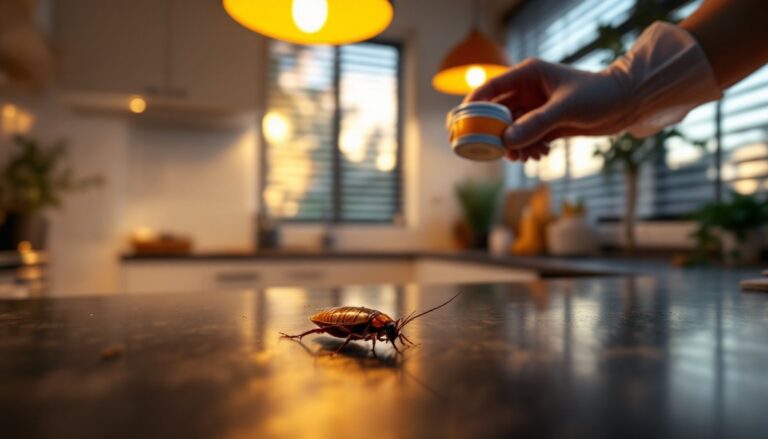
Cockroaches are unmistakable: flat, reddish-brown to dark brown bodies about 1/2–2 inches long. They’re nocturnal, so seeing one during the day signals a population problem. These carry bacteria and trigger allergies, they’re a sign you need action, whether DIY or professional.
Mice and rats leave droppings about the size of a grain of rice (mice) or a kidney bean (rats), gnaw marks on food packaging, and trails of dark smudges along walls. You might hear scratching or squeaking in walls at night. A musty smell is also a red flag.
Termites are the silent killers. You rarely see them, they work inside wood. Look for mud tubes along foundations or basement walls, soft wood that crumbles when you press it, or frass (termite droppings) that looks like sawdust. Termite damage requires professional evaluation and often a licensed exterminator.
Spiders and silverfish are less urgent but still warrant attention. Spiders (except brown recluse or black widow) aren’t harmful, though they signal an insect population they’re feeding on. Silverfish are fast, gray, and about 1/2 inch long: they eat paper and starch.
Early ID is key. Take a photo if you’re unsure, or capture the pest in a container to show a professional.
DIY Core Pest Control Methods
Prevention and Maintenance
Sealing your home is the foundation of pest control. Walk the perimeter and look for gaps around pipes, cables, and foundation cracks. Caulk anything larger than a 1/4-inch gap with silicone or acrylic latex caulk, rodents can squeeze through a gap the size of a dime. For larger openings, use 1/4-inch hardware cloth stapled over the gap, then caulk the edges.
Inside, eliminate food sources and hiding spots. Store dry goods in sealed plastic containers, don’t leave pet food out overnight, and wipe down counters and stovetops before bed. Declutter, pests love piles of cardboard, paper, and fabrics. In the basement or attic, remove old boxes and stack lumber at least 12 inches off the floor.
Manage moisture. Rodents need water: fix dripping faucets, ensure gutters and downspouts drain water at least 4 feet from the foundation, and run a dehumidifier in damp basements. Many pests hide in warm, moist spots like under sinks or around water heaters.
Check and maintain screens and weatherstripping on doors and windows. A torn screen is an open invitation. Replace weatherstripping if it’s cracked or missing.
Treatment Options
For small ant infestations, ant baits (gel or station-based) work better than spray. Ants carry the poison back to the nest, eliminating the colony rather than just the visible line. Brands like Terro are affordable ($5–$10) and effective. Place baits along the trail, away from pet food and children’s reach. It takes a few days to a week, but it works.
Mouse traps come in three main types: snap traps (cheapest, ~$1 each, humane when placed correctly), electronic traps (~$20–$30, faster kill), and live traps (~$10–$20, letting you release mice far from home, though check local laws first). Bait with peanut butter or nesting material. Place traps perpendicular to walls where you’ve seen activity or droppings. Check daily: a dead mouse left for a week creates odor and attracts flies.
For light cockroach issues, gel baits ($8–$15 per unit) placed in corners, under sinks, and behind appliances kill roaches that eat them and any roaches that consume the dead bodies. If you see roaches during the day or multiple roaches at night, the population is established and likely needs professional treatment.
Diatomaceous earth (DE) is a powder made from fossilized diatoms. Food-grade DE (not pool-grade) is non-toxic to humans and pets but slices through the exoskeletons of insects like ants, fleas, and bedbugs. Sprinkle it in baseboards, closets, and under furniture. It’s slow but persistent, reapply after vacuuming or wet conditions. A 5-pound bag costs $10–$20.
For spiders and general insects, caulking gaps and decluttering remove their habitat and prey. If you feel you must spray, home improvement experts recommend using targeted insecticides only in infested areas, not broadcast spraying. Always wear gloves, eye protection, and a mask rated for the product (check the label).
When to Call a Professional
If you see termites, call a licensed pest control company immediately. Termite damage is structural and requires professional inspection, treatment plans, and often ongoing monitoring. Many states require termite inspections before home sales, so ignoring signs is risky.
A large or persistent cockroach infestation also warrants professional help. Roaches breed fast and hide in walls, DIY baits alone often can’t reach the whole population. Pest control commercial services use targeted treatments and follow-ups unavailable to homeowners.
Rodent populations that return after trapping, or an infestation in a complex structure (multi-unit building, older house with many voids), are signs to call in the pros. Professionals use exclusion techniques, sealing every entry point, that DIYers sometimes miss.
If you’re uncertain about what you’re dealing with, most pest control free estimates are exactly that, free. A technician can ID the pest, assess the severity, and quote treatment costs with no obligation.
Also note: some treatments require state licensing. In many areas, applying certain pesticides to a rental property or business needs a licensed applicator. Check your local health department or pest control licensing board.
Wasp and hornet nests deserve special mention. A small nest high on the outside of your house might be harmless (they’re predators and eat other insects), but nests near doors, in soffits, or where kids play should go. Some people tackle small paper wasp nests with aerosol spray at dusk: wasp and hornet control can also be professionally handled for safety and thoroughness. If you’re allergic, don’t risk it, call a pro.
More broadly, implementing biological pest control methods alongside conventional approaches, introducing natural predators, encouraging beneficial insects, or using pheromone traps, often works best as a long-term strategy. A good pest control company can advise you on integrated pest management (IPM), which combines multiple low-risk tactics.