Table of Contents
ToggleA beautiful backyard doesn’t have to drain your savings account. Whether you’re dreaming of a fire pit patio, native plantings, or a complete landscape overhaul, the sticker shock can stop you cold. The good news: backyard landscaping financing has evolved beyond the traditional home equity loan. Today’s homeowners have options, from phased DIY approaches to specialized landscaping loans, promotional credit cards, and rebate programs that reduce your out-of-pocket costs. This guide walks you through seven proven financing strategies to turn your backyard vision into reality without overextending yourself financially in 2026.
Key Takeaways
- Backyard landscaping financing has evolved beyond home equity loans to include specialized landscaping loans, 0% promotional credit cards, and government rebate programs that reduce your costs.
- A phased approach lets you spread landscaping projects over time, avoiding interest and allowing you to make adjustments based on seasonal plantings and soil conditions.
- Home equity loans and HELOCs offer competitive interest rates (7–10%) for major landscaping projects, though they put your home at risk if you default.
- 0% APR promotional credit cards work best for projects under $25,000 spread across 12–24 months, but require discipline to pay off the full balance before interest kicks in.
- Municipal rebates for native plant installations and shade trees can save hundreds of dollars, with incentives ranging from $0.50–$2.00 per square foot of turf replaced.
- Getting 2–3 contractor quotes and budgeting 10–15% contingency for unexpected costs ensures you choose the right financing option without overextending yourself.
Understanding Your Landscaping Budget
Before you start shopping for financing, you need a realistic number. Landscaping costs vary wildly depending on scope, materials, and labor. A modest DIY mulch-and-shrub refresh might run $500–$2,000, while a full hardscape with paver patio, water feature, and professional installation can exceed $15,000 or more.
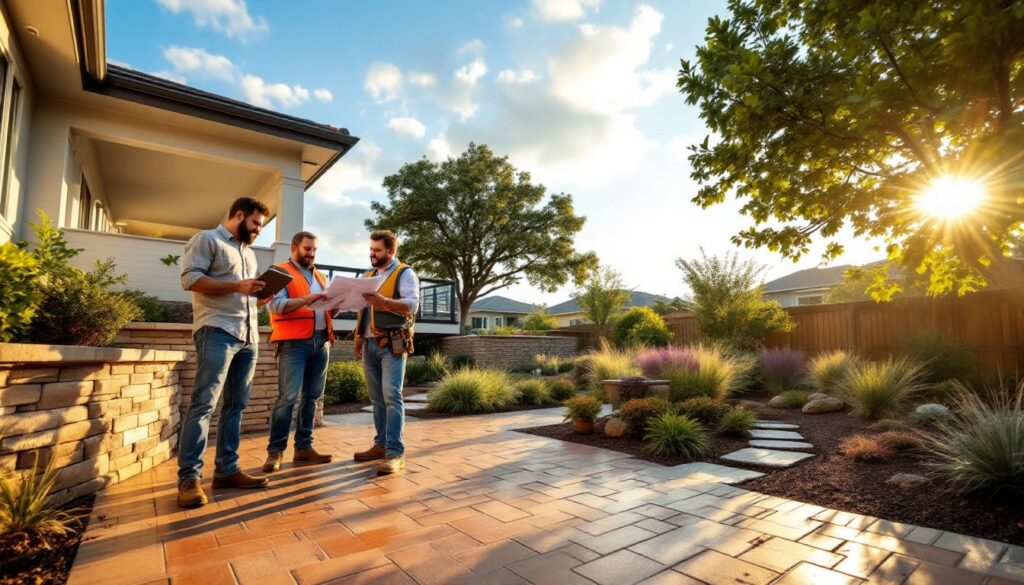
Start by prioritizing what you actually want. Hardscape elements (patios, retaining walls, pathways) typically cost more upfront but offer durability. Softscape (plants, trees, sod) is cheaper initially but may require ongoing maintenance or replacement. Take time to measure your space, research material costs in your region, and get 2–3 quotes from local contractors if you’re hiring professionals.
Once you have a target figure, break it into components: materials, labor, and contingency (usually 10–15% for unexpected costs or changes). This detail helps you understand which financing option makes sense. A $3,000 project may qualify for a credit card: a $25,000 hardscape renovation might require a home equity line of credit (HELOC) or landscaping loan.
Personal Savings and Phased Approaches
The simplest financing strategy isn’t borrowing at all, it’s spreading the work over time. A phased approach lets you finish one area, save for the next, and avoid interest entirely. You might install a deck this spring, then add plantings next fall and a patio the following year.
This approach also reduces decision fatigue. You’ll live with early changes before committing to the full vision, meaning fewer costly mistakes. Hardscape elements (which don’t change much) can go in first, followed by seasonal plantings that you can adjust based on what thrives in your soil and microclimate.
If you do have savings set aside, use them for high-priority items, professional hardscape work, quality topsoil, or mature trees that establish faster. DIY the smaller jobs: planting, mulching, and minor edging. Sites like superior landscaping show what’s achievable with thoughtful planning even on moderate budgets. The trade-off is time, not money, and many homeowners find that rhythm less stressful than one massive expense.
Home Equity Loans and Lines of Credit
If you’ve built equity in your home, a home equity loan or HELOC can fund a landscaping project at relatively favorable interest rates, currently 7–10% depending on your credit and lender, though rates fluctuate. The advantage: you’re borrowing against your home’s value at rates typically lower than credit cards.
A home equity loan gives you a lump sum upfront: you pay it back in fixed monthly installments over a set term (usually 5–15 years). This works well if you have a clear, final cost. A HELOC is a revolving credit line, you draw what you need, when you need it, and pay interest only on what you use. This suits phased projects because you can access funds as each phase begins without paying interest on the full amount upfront.
Both options let you borrow larger sums (often 80–90% of your home’s equity), so they’re practical for major renovations. But, you’re putting your home up as collateral, so default means serious consequences. Homeowners with strong credit (680+) and stable income qualify most easily. Check with your bank or credit union first, they often offer better rates than online lenders for established customers. Resources like Angi provide ballpark cost data to help you size your loan accurately.
Landscaping Financing Programs and Credit Cards
Specialized Landscaping Loans
Some landscape contractors partner with financing companies (like Greensky or LendingClub) to offer landscaping-specific loans. These are unsecured personal loans (meaning you don’t pledge collateral like your home), typically ranging from $3,000–$50,000, with approval in days. Interest rates usually fall between 8–18% depending on credit, which is higher than HELOCs but lower than standard credit cards.
The appeal is speed and simplicity, you can often apply at the contractor’s office and fund the project immediately. But, read the fine print: some promotional rates (like 0% for 12–24 months) require on-time payments or you’ll face retroactive interest on the entire balance. If the contractor uses a specific lender, compare that offer against your bank’s terms before committing.
0% APR Promotional Credit Cards
Do-it-yourselfers and those spreading work across 6–12 months often benefit from 0% APR promotional credit cards designed for home improvement. Issuers like Lowe’s, Home Depot, and major banks offer cards with 0% interest for 12–24 months on purchases over $1,000 or so. The catch: you must pay off the full balance during the promotional window, or you’ll owe retroactive interest at the card’s standard APR (often 20%+).
This works brilliantly if you have the discipline to budget monthly payments that fully retire the balance before the promo ends. A $3,000 landscaping project over 18 months costs $167/month at 0%, far better than financing through a contractor at 12%+. The downside is that it won’t work for large projects: credit limits vary (often $10,000–$25,000) and you’re responsible for the interest jump if you slip. Plan payment math carefully and set phone reminders for the final payment deadline. Many homeowners pair these cards with modern backyard landscaping ideas to prioritize which elements to tackle during the promotional period.
Government Incentives and Rebates
Don’t overlook rebates and incentives that effectively reduce your landscaping cost. Some municipalities offer rebates for removing turf and planting native species (drought-resistant, low-maintenance plants that support local ecosystems). Rebates typically range from $0.50–$2.00 per square foot of turf replaced, which can save hundreds on a full yard conversion.
Water conservation is the driving incentive, native plantings reduce irrigation demand, easing strain on municipal supplies. Check your local water utility’s website or call their conservation department: most have online databases of eligible plants and application processes. Some utilities even subsidize landscape audits (professionals assess your yard and recommend changes) or provide free plant lists.
Energy-focused rebates also exist in some regions. Planting shade trees strategically (especially on south and west sides of your home) reduces cooling costs in summer, and some utilities or energy efficiency programs offer rebates of $25–$100 per tree planted. These incentives won’t cover an entire project, but they chip away at the cost and often require minimal paperwork.
Similarly, resources like ImproveNet can connect you with local contractors and help identify regional incentives. Federal tax credits for energy-efficient home improvements rarely apply to landscaping alone, but they may apply if you’re bundling a landscape project with solar installation, insulation, or other efficiency upgrades. Check the IRS website or consult a tax professional to confirm your project qualifies. Bob Vila’s landscaping advice also highlights regional rebate opportunities as part of broader cost-planning guidance.