Table of Contents
ToggleHomeowners are increasingly discovering that battling pests doesn’t mean filling your home with harsh chemicals or calling professionals for every ant trail. Green pest control, the practice of using natural, eco-friendly methods to manage unwanted insects and rodents, delivers real results without the synthetic toxins. Whether you’re dealing with ants invading the kitchen, spiders in the basement, or mosquitoes buzzing around the patio, there’s a green solution that works. The methods outlined here combine proven techniques with practical application so you can reclaim your space safely and naturally.
Key Takeaways
- Green pest control eliminates infestations safely and naturally without harsh chemicals, protecting children, pets, and your home from toxic residues linked to neurological and respiratory effects.
- Prevention is the foundation of effective green pest control—seal gaps, remove standing water, store food in airtight containers, and reduce clutter to stop pests before they invade.
- Natural repellents like diatomaceous earth, essential oils, and neem oil provide cost-effective spot treatments that disrupt pest behavior and reproduction cycles without environmental harm.
- DIY green pest control recipes, including vinegar-peppermint sprays for ants and baking soda baits for roaches, offer budget-friendly alternatives to seasonal chemical treatments.
- Heavy infestations like termite damage, large rodent colonies, or bed bugs require professional green pest management services that use biological controls and structural inspections to address root causes.
Why Green Pest Control Matters for Your Family and Home
Conventional pest control products rely on synthetic pyrethroids, neonicotinoids, and organophosphates, chemicals designed to kill insects but that linger in your home, yard, and even food sources. A homeowner using green pest control avoids exposing children and pets to these residues, which studies have linked to neurological effects in developing brains and respiratory irritation.
Beyond health, green methods address the root cause: environment and habitat. Pests thrive where food, water, and shelter are abundant. A pest control strategy that eliminates these attractants stops infestations before they start, whereas synthetic sprays only kill what’s already there. Your family benefits from a cleaner home, safer outdoor spaces, and a more resilient property that naturally resists repeated invasions.
Cost is another practical reason homeowners turn to green alternatives. Store-bought baits and homemade repellent sprays cost a fraction of seasonal chemical treatments. You’ll spend time on prevention rather than recurring applications, a smarter long-term investment for any budget-conscious homeowner.
Essential Green Pest Control Methods Every Homeowner Should Know
Natural Repellents and Organic Solutions
Natural repellents work by making your home and yard less appealing to pests or disrupting their sensory systems. Diatomaceous earth (DE), a fine powder made from fossilized algae, damages the exoskeletons of soft-bodied insects like ants, fleas, and roaches. Food-grade DE is safe for pets and people: apply it along baseboards, under sinks, and in garden beds. Wear a dust mask when applying to avoid inhalation of the fine particles.
Essential oils like peppermint, tea tree, and cedar repel many insects and rodents. Mix 10–15 drops with a cup of water and a tablespoon of dish soap, spray around entry points, and reapply after rain or weekly in high-traffic pest areas. These aren’t permanent solutions but valuable for spot treatments and seasonal reinforcement.
Neem oil, derived from the neem tree, disrupts insect reproduction and feeding cycles. It works especially well against aphids, mites, and whiteflies on plants. Always dilute according to label directions and apply during early morning or late evening to avoid harming beneficial pollinators.
For rodent deterrence, peppermint and capsaicin-based products (like hot pepper spray) irritate their olfactory senses without poisoning. Soak cotton balls in peppermint essential oil and place them in cabinets, attics, and wall voids, refresh monthly.
Prevention Techniques That Stop Pests Before They Start
Prevention is the backbone of green pest control. Seal cracks and gaps wider than one-eighth of an inch with caulk or weatherstripping: rodents can squeeze through gaps much smaller than you’d expect. Pay special attention to utility lines entering your home, gaps around windows and doors, and holes in foundation walls. Use a utility knife to clean out existing gaps, then apply silicone caulk (paintable or clear) and smooth with a wet finger.
Remove standing water and fix leaky pipes immediately. Pests need water as much as food, a dripping faucet or clogged gutter creates ideal breeding grounds for mosquitoes and attracts ants and roaches. Check basement corners, outdoor spigots, and potted plants for pooled water.
Store food in airtight glass or plastic containers rather than open boxes. Cardboard and pantry staples are an all-you-can-eat buffet for insects and rodents. Wipe up crumbs, grease, and spills daily: a clean kitchen is the first line of defense against ants, cockroaches, and flies.
Reduce clutter and dark spaces where pests hide. Move firewood piles at least 20 feet from the house, trim branches overhanging the roof, and keep vegetation 2–3 feet from foundation walls. Pests use these highways to reach your home undetected.
DIY Green Pest Control Recipes and Applications
Vinegar and Water Ant Spray: Mix equal parts white vinegar and water in a spray bottle. Add 5–10 drops of peppermint essential oil. Spray along ant trails, entry points, and windowsills. The acidity disrupts their scent trails while the oil repels them. Reapply every few days until trails disappear.
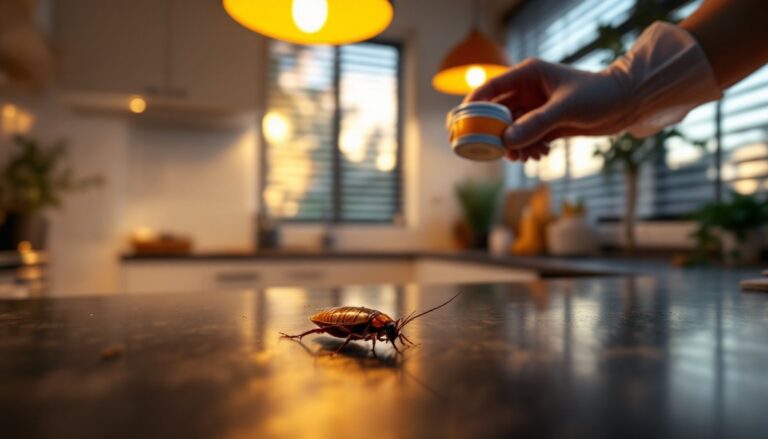
Baking Soda Cockroach Bait: Mix equal parts baking soda and powdered sugar, add a tablespoon of water to form a paste, and shape into small balls. Place in areas where roaches congregate, under sinks, behind appliances, and in cabinets. The baking soda reacts with their stomach acid and kills them. Wear gloves and keep away from pets and children.
Garlic and Pepper Insect Spray: Blend one bulb of garlic and one tablespoon of cayenne pepper with a quart of water. Let steep overnight, strain through cheesecloth, add a tablespoon of dish soap, and spray on plants and garden beds. This deters aphids, beetles, and spider mites without harming soil biology.
Borax Roach Killer: Mix one-third cup borax, one-third cup powdered sugar, and one-third cup flour. Add enough water to form a dough. Roll into small balls and place in dark corners, under appliances, and along walls. Borax is toxic if ingested, so use only where children and pets can’t reach it. Always read the label: regulatory agencies have tightened restrictions on borax in some jurisdictions.
Homemade Mosquito Repellent: Mix 20 drops lemongrass oil, 15 drops eucalyptus oil, and 10 drops lavender oil into half a cup of coconut oil. Apply to exposed skin before heading outdoors. Reapply every two hours or after sweating. This provides personal protection without DEET, though effectiveness varies by individual mosquito species and environmental conditions.
When to Call the Professionals for Green Pest Management
Some infestations exceed DIY scope. Heavy termite damage, large rodent colonies in walls, or bed bug infestations require professional intervention, these pests hide in inaccessible areas and reproduce quickly, overwhelming homemade treatments. A licensed pest control professional trained in green methods can conduct thorough inspections, locate hidden nests, and apply targeted treatments like biological pest control methods that use parasitic wasps or nematodes.
If you’re uncertain whether a problem requires professional help, request a pest control free estimate. Most services offer complimentary inspections to assess severity and recommend solutions. A professional can also identify structural issues, poor drainage, roof leaks, or foundation cracks, that attract pests in the first place.
For homeowners in specific regions, local expertise matters. Companies like Cascade Pest Control specialize in green treatments suited to regional pest populations. In areas like pest control in Lakeland, FL, professionals understand how climate and landscape encourage specific pests, fire ants, palmetto bugs, and termites, and tailor solutions accordingly.
If your infestation involves a business or commercial property, the stakes are higher. Pest control commercial services ensure code compliance, protect customer health, and maintain your reputation. Health departments impose fines for pest violations, making professional management a practical business decision.
Conclusion
Green pest control isn’t a gimmick, it’s a practical, budget-friendly system that protects your family while solving real pest problems. Start with prevention: seal gaps, remove water sources, store food properly, and reduce clutter. Layer in natural repellents and DIY treatments for active issues. When needed, bring in professionals who understand green methods. The combination of these approaches creates a resilient home that pests simply can’t invade.