Table of Contents
ToggleRocks are the unsung heroes of front yard landscaping. They’re durable, low-maintenance, and deliver visual impact without the fuss of constant watering or seasonal replanting. Whether you’re looking to create a modern xeriscaped garden, define clean borders, or build a striking focal point, rocks offer countless design possibilities. From river rocks and gravel to hefty boulders and decorative pathways, rock landscaping transforms ordinary yards into stunning outdoor spaces that require minimal upkeep. This guide walks you through seven proven approaches to incorporate rocks into your front yard design, plus practical tips for choosing the right materials and keeping everything looking sharp year-round.
Key Takeaways
- Rocks are durable, low-maintenance landscaping materials that reduce watering needs and seasonal replanting compared to traditional plants and grass.
- Xeriscaping with river rocks and gravel creates drought-resistant front yards that thrive in dry climates while minimizing water consumption and upkeep.
- Rock borders and edging define clean landscape boundaries, prevent grass encroachment, and make small yards appear intentional and well-organized.
- Large boulders positioned one-third below soil level serve as permanent focal points and architectural elements that anchor your entire front yard design.
- Decorative rock pathways with stepping stones guide foot traffic, protect plants, and organize your front yard while requiring minimal ongoing maintenance.
- Mix different rock sizes and types—from small pea gravel to larger boulders—to create visual hierarchy and prevent your front yard from looking unfinished or cluttered.
- Annual maintenance like seasonal raking, weed removal, and occasional debris clearance keeps rock landscaping beautiful for years without demanding constant effort.
Xeriscaping With River Rocks And Gravel
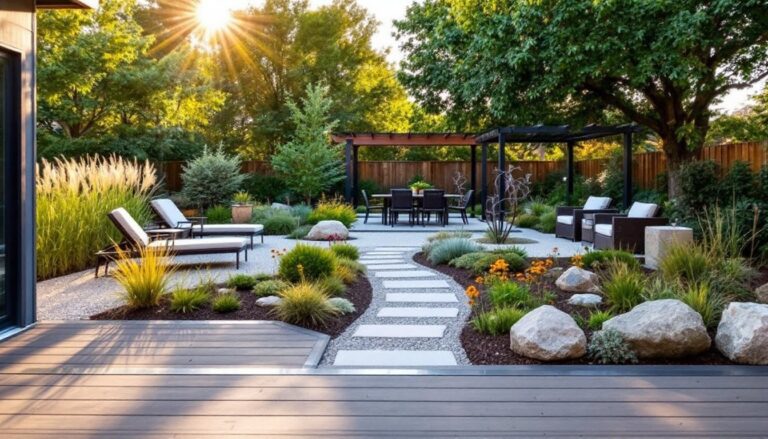
Xeriscaping, landscaping designed to minimize water use, pairs perfectly with rocks. Instead of thirsty grass or water-hungry perennials, you create a low-maintenance garden that thrives in dry climates or during droughts. River rocks and decorative gravel form the backbone of a xeriscape design. River rocks are smooth, rounded stones (typically 1.5 to 3 inches in diameter) that add visual interest and allow water to percolate through quickly. Crushed granite or pea gravel underneath provides drainage and a finished look.
Start by laying landscape fabric over the soil to prevent weeds, then spread a 2 to 3-inch layer of gravel as a base. Top it with river rocks in clusters or bands, leaving pockets for drought-tolerant plants like ornamental grasses, sedums, or native shrubs. The contrast between rock textures and plant foliage creates depth without demanding constant irrigation. When implementing crushed granite landscaping, you’ll find it blends seamlessly with river rocks for a cohesive appearance. This approach saves water, reduces maintenance, and works beautifully in any climate.
Rock Garden Borders And Edging
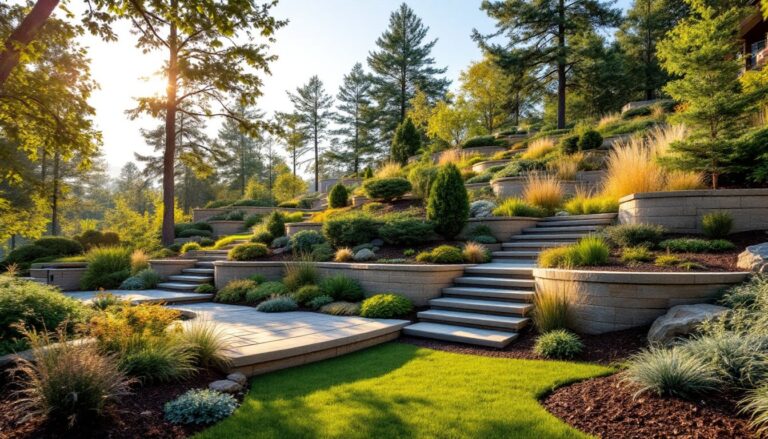
Clean borders define a landscape and keep planting beds looking intentional rather than scattered. Rock edging creates a crisp line between lawn and garden beds while eliminating the need for plastic edging or constant trimming. Use larger flat rocks, slate pieces or stacked stone about 3 to 6 inches tall, to create a raised border that doubles as a visual separator. Anchor them firmly into the ground by setting each piece slightly back into the soil so it won’t shift when foot traffic or weather pressure it.
For a more subtle approach, use smaller decorative rocks (1 to 2 inches) in a single or double row along the bed perimeter. Granite chips, river rocks, or polished stones all work well depending on your design aesthetic. The edging prevents grass from creeping into beds and keeps mulch or soil contained. If you’re working on a small front yard, tight borders actually emphasize what little space you have, making the design feel intentional and composed rather than cramped.
Creating Focal Points With Large Boulders
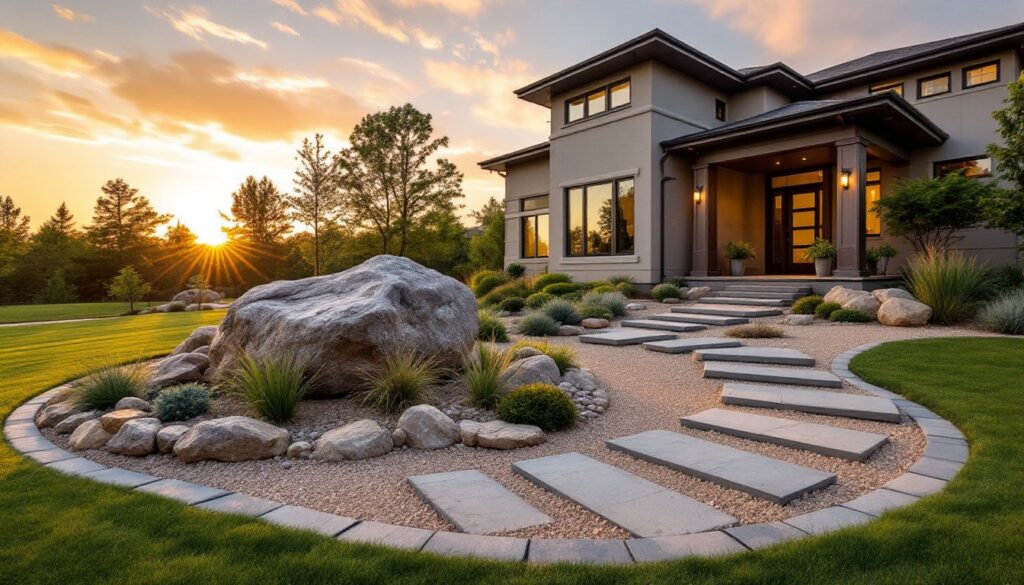
A single large boulder or a carefully arranged cluster of boulders becomes a natural focal point that draws the eye and anchors your entire landscape design. Boulders, rocks weighing 100+ pounds, make a bold statement and require zero maintenance once positioned. Choose specimens with interesting shapes, striations, or lichen growth: imperfection is the point. They look purposeful, not placed randomly.
When positioning boulders, bury one-third of the rock below soil level so it appears settled and anchored rather than dropped on the surface. Group odd-numbered clusters (three or five boulders) rather than even numbers for a more natural appearance. Surround them with river rocks, gravel, or low-growing plants to soften the transition. A boulder positioned near the front door or as a centerpiece in a planting bed becomes an architectural element that ties your design together. Moving a heavy boulder requires planning, rent equipment or hire a professional rather than risk injury or property damage. Think of it as a permanent sculpture for your yard.
Decorative Rock Pathways And Walkways
A rock pathway guides foot traffic, protects plants from getting trampled, and adds functionality to your front yard design. The simplest approach uses pea gravel (smooth, rounded stones about 0.5 inches in diameter) laid over landscape fabric in a defined path shape. For a more structured look, place flat stepping stones, slate, flagstone, or quarried granite pavers, in a pattern with gravel filling the gaps. Stepping stones should be spaced roughly 18 to 24 inches apart so someone can walk with a natural stride.
Before laying anything, mark the path’s route with spray paint or chalk so you can visualize the flow and adjust curves or width. Remove grass and soil to a depth of 2 to 3 inches, then lay landscape fabric to block weeds. Add the stepping stones first (setting them level or slightly proud of the surrounding ground to shed water), then fill gaps with pea gravel. This approach keeps shoes clean, prevents muddy patches, and creates visual lines that organize the front yard. According to landscape design trends, curved pathways and asymmetrical stone placement feel more contemporary than rigid straight lines.
Choosing The Right Rock Types And Sizes
Rock type and size dramatically affect both appearance and performance. River rocks (smooth, rounded, 1.5–3 inches) suit xeric gardens and decorative accents: they’re beautiful but shift easily underfoot. Pea gravel (0.5-inch smooth stones) works for pathways and base layers: it compacts well but can scatter. Crushed granite offers excellent drainage and comes in natural color varieties: it’s durable and won’t shift as easily as rounded rocks. Slate and flagstone provide flat surfaces ideal for stepping stones or edging: they’re more expensive but create a polished look.
For boulders, consider local stone types, native granite, limestone, or sandstone, which look rooted to place and weather naturally. Avoid landscape rocks from far-away sources that look out of context (like bright red lava rock in a region with gray stone). Visit a few quarries or landscape suppliers to see colors and textures in person: photos lie, and noon sunlight hits stone differently than morning light at your house.
Size matters. A front yard landscaped entirely with pea gravel feels unfinished: mix in larger river rocks or boulders for visual hierarchy. Small spaces benefit from larger individual stones (fewer, bolder pieces) rather than many tiny rocks that clutter the view. Calculate coverage by dividing your bed area by 100: one ton of pea gravel covers roughly 100 square feet at a 2-inch depth. Local suppliers can advise on quantities and deliver bulk materials.
Maintenance Tips For Rock Landscaping
Rock landscaping is low-maintenance but not zero-maintenance. Landscape fabric underneath prevents weeds but degrades over time (typically 3–5 years): plan to replace it or pull weeds by hand annually. Gravel compacts and spreads: every few years, rake it back into shape or top-dress with fresh material. Rocks can accumulate algae or moss in humid climates: a stiff brush and garden hose handle most buildup, though pressure washing works too (use low pressure around plants).
Leaves, twigs, and needles collect in rock beds and decompose into organic matter that feeds weed seeds. Rake or blow debris out seasonally, spring and fall work best. If you notice gaps appearing as gravel settles, top-dress with additional material to maintain the original depth. Large boulders stay put once settled, but wind and foot traffic can shift smaller stones: periodically check borders and pathways for movement. Snow removal in winter doesn’t damage rock beds, but avoid using salt-based de-icers on decorative rocks: they can stain and degrade certain stone types. With annual raking and occasional weeding, rock landscaping stays beautiful for years with minimal effort.
Conclusion
Rock landscaping offers durability, low maintenance, and design flexibility that few other materials match. Whether you’re xeriscaping for water savings, defining borders with edging, anchoring the design with boulders, or guiding traffic with pathways, rocks deliver visual impact without constant upkeep. Choose materials that complement your home’s existing stonework and regional stone types for a cohesive, rooted appearance. With thoughtful planning and basic annual maintenance, a rock-based front yard becomes a stunning, enduring focal point that enhances curb appeal for years to come.