Table of Contents
TogglePests are a fact of homeownership, but they don’t have to take over your space. Falkin pest control methods, ranging from simple preventative measures to targeted treatments, give you the tools to reclaim your home without always relying on a professional service. Whether you’re dealing with ants marching through your kitchen or spiders colonizing your basement, understanding what tactics work and when to bring in help makes all the difference. This guide breaks down the practical, proven approaches that DIYers can carry out today to stop infestations before they spiral.
Key Takeaways
- Falkin pest control starts with prevention: seal entry points larger than 1/4 inch, eliminate moisture, and maintain strict sanitation to make your home inhospitable to pests.
- Chemical-free methods like diatomaceous earth and proper sanitation should be your first line of defense before investing in over-the-counter treatments.
- Gel baits are highly effective for ants and roaches because pests carry the poison back to their colonies, eliminating entire nests within 3–7 days.
- Structural pests like termites and carpenter ants require immediate professional intervention; DIY treatments are ineffective and delay critical repairs.
- Long-term pest prevention through landscape management, humidity control, and regular inspections beats costly treatments and protects your home’s integrity.
Understanding Falkin Pest Control Methods
Falkin pest control encompasses a range of techniques designed to eliminate and prevent common household pests. The approach combines physical barriers, environmental adjustments, and targeted treatments, some chemical, some not. The goal is simple: make your home inhospitable to pests without creating safety risks for your family or pets.
Chemical-Free Approaches For Homeowners
Chemical-free methods should be your first line of defense. These rely on removing what pests need to thrive: food, water, and shelter.
Exclusion and sealing stops pests before they enter. Walk around your home’s exterior and look for gaps around pipes, foundation cracks, window frames, and door thresholds. Seal gaps larger than 1/4 inch with silicone caulk (not latex, which pests can chew through). Use weatherstripping on doors. These simple fixes cost under $50 and eliminate entry points.
Sanitation is non-negotiable. Crumbs under the couch, grease splatters on the stovetop, and dirty dishes left out are open invitations. Sweep and vacuum regularly, wipe down surfaces, and don’t leave pet food sitting out overnight. Store pantry items in airtight containers, even dry goods like flour and cereal attract insects.
Removing moisture targets pests that need water. Fix dripping pipes, ensure gutters drain away from the foundation, and run a dehumidifier in damp basements. Many common pests, cockroaches, silverfish, and centipedes, need humidity to survive.
Diatomaceous earth (DE), a powdery fossil-based substance, kills soft-bodied insects by damaging their exoskeletons. Use food-grade DE only (never pool-grade, which is toxic). Apply a thin layer in cracks, baseboards, and under appliances. Reapply after rain or moisture exposure. Wear a dust mask during application to avoid inhaling particles.
Professional-Grade Solutions You Can Use Yourself
When chemical-free methods aren’t enough, over-the-counter treatments offer results closer to what professionals use.
Insecticide sprays and baits are effective when applied correctly. Read labels carefully, they specify target pests, application rates, and safety precautions. For roaches and ants, gel baits often outperform sprays because pests carry poison back to their nests, destroying the entire colony. Typical baits cost $8–15 and work in 3–7 days.
Pyrethrins and pyrethroids are synthetic pesticides derived from chrysanthemum flowers. They’re effective against most household pests and break down quickly, leaving minimal residue. Always wear nitrile gloves and safety glasses when applying. Ventilate the area and keep pets and kids away during treatment and for several hours after.
Growth regulators (insect growth regulators, or IGRs) prevent pests from maturing or reproducing. These are less toxic than broad-spectrum insecticides and work well against fleas and roaches. They take longer to show results, up to two weeks, but disrupt the pest lifecycle.
Common Pests You Can Tackle With Falkin Techniques
Different pests require different approaches. Here’s what works for the most common household invaders.
Ants respond well to gel baits. They forage, find the bait, and carry it back to the queen. Formic acid baits are popular and affordable. Indoors, locate their trails with a flashlight at night and place baits along the path. Outdoors, treat entry points and mounding areas. Expect results in 5–10 days. For fire ants, which bite aggressively, granular baits applied to mounds work best, apply in early morning or late evening when ants are active below the surface.
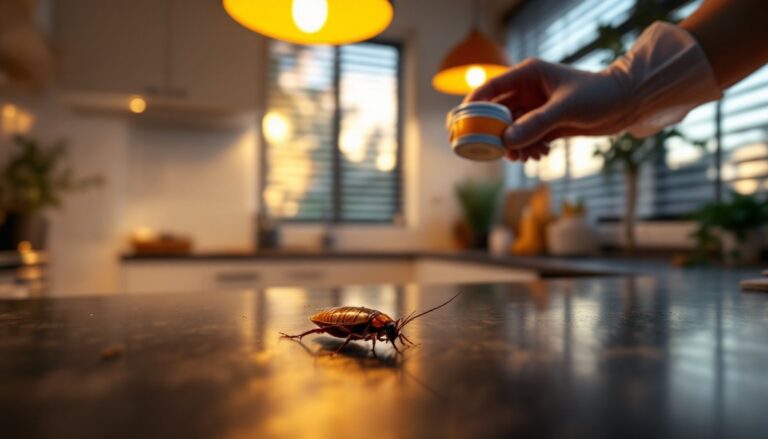
Roaches need multiple strategies. Gel baits in cabinets, under sinks, and behind appliances are essential. Combine with diatomaceous earth in wall voids and crevices. Remove all food sources and standing water. If infestation is heavy, you might need professional-grade solutions from pest control services designed for commercial spaces that can handle larger-scale problems.
Spiders are actually beneficial, they eat other insects, but they’re unwelcome indoors. Remove webs with a vacuum, seal cracks where they hide, and reduce other insects (their food source). Most spiders won’t bite if left alone, so consider tolerance a pest control strategy.
Fleas require persistence. Treat your pet with veterinarian-recommended flea preventatives. Inside, vacuum carpets and furniture thoroughly, wash pet bedding in hot water weekly, and apply IGRs to problem areas. IGRs target flea eggs and larvae, preventing new adults from emerging. Expect 2–3 weeks for complete control.
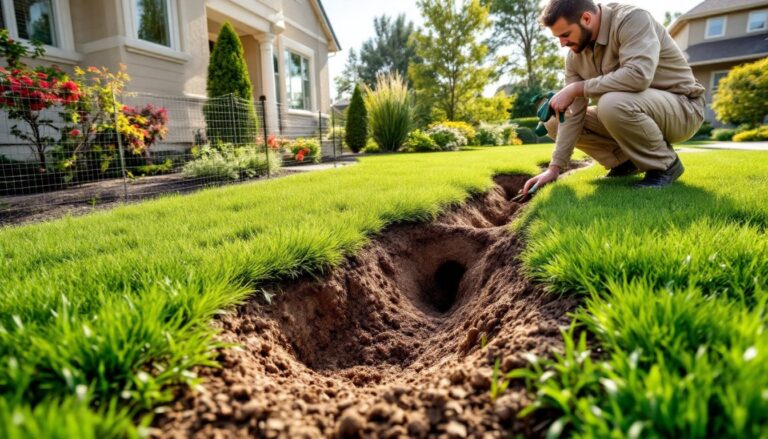
Termites are serious and often require professional intervention due to structural damage potential. Signs include mud tubes on foundations, soft wood that crumbles, and discarded wings. If you spot these, contact a licensed terminator immediately. DIY treatments for active termite infestations are typically ineffective and delay necessary repairs. But, prevention through eliminating wood-to-soil contact and maintaining moisture barriers is something you can manage.
Setting Up Your Home For Long-Term Pest Prevention
Prevention beats treatment every time. A well-maintained home deters pests naturally.
Landscape management removes pest habitats. Keep mulch at least 6 inches away from your foundation. Remove dead branches, leaf litter, and standing water in gutters. Trim tree branches hanging over the roof, pests use these as highways. Store firewood at least 20 feet from the house and 12 inches off the ground.
Ventilation and humidity control makes your home less appealing. Use exhaust fans in bathrooms and kitchens. Run HVAC systems to maintain airflow. Basement humidity should stay below 50%, use a dehumidifier if needed. Moisture isn’t just uncomfortable for you: it’s a buffet for pests.
Regular inspections catch problems early. Walk your foundation quarterly, looking for cracks wider than 1/8 inch. Check around pipes where they penetrate exterior walls. Look for mud tubes (termite sign), droppings (rodent sign), or dead insects. Early detection saves thousands in damage and treatment costs.
Pantry organization prevents food-based infestations. Store grains, pasta, and flour in airtight containers labeled with expiration dates. Check containers before restocking, don’t just pour new product into old containers. Remove pet food from bowls after feeding. Don’t store trash in open bins: use sealed cans with lids.
Many homeowners find regional pest control resources helpful for specific guidance, especially if local pests are common. Also, reviewing pest control strategies from trusted sources helps you understand what’s most effective in your area.
When To Call In The Experts
Some pest problems require professional expertise. Know the limits of DIY treatment.
Structural pests, termites, carpenter ants, and carpenter bees, damage your home’s integrity. These need licensed inspectors and professionals. A single undetected termite colony can cost thousands to repair. Don’t risk it.
Large infestations exceed DIY scope. If you see dozens of roaches or rodents even though consistent treatment over two weeks, professionals have equipment and materials homeowners don’t. They also have access to stronger formulations and can identify hidden nests.
Health hazards matter. If household members have asthma or chemical sensitivities, professional services can use targeted applications and lower-toxicity options suited to your situation. Professionals understand ventilation and safety protocols.
Legal requirements in some areas mandate licensed treatment for certain pests. Some states require licensed termite inspections before property sales. Check local building codes.
Time constraints are legitimate reasons. Treating a severe infestation yourself demands multiple applications over weeks. If you don’t have the time, professionals deliver faster, guaranteed results. According to customer reviews on pest control services in your area, professional treatments often resolve problems in a single visit or a planned series.
When choosing a professional, ask for licenses, insurance, and references. Request a written estimate and warranty. Reputable services guarantee their work.
Conclusion
Falkin pest control gives homeowners practical, affordable options to protect their spaces. Start with prevention: seal gaps, eliminate moisture, maintain cleanliness, and keep landscaping trimmed. Deploy chemical-free methods first, then escalate to baits and targeted sprays if needed. Know when DIY approaches hit a wall, structural pests, large infestations, and legally-mandated treatments warrant professional help. The combination of proactive maintenance and smart decision-making keeps your home pest-free without very costly or relying entirely on exterminators.