Table of Contents
ToggleWhen it comes to landscaping, bricks aren’t just for building walls; they’re the unsung heroes of outdoor design. Picture this: a charming pathway winding through your garden, or a sturdy patio that can withstand a family BBQ disaster. Bricks bring both style and durability to the table, proving that good looks and strength can coexist—kind of like a bodybuilder in a tuxedo.
Overview of Bricks for Landscaping
Bricks provide lasting beauty and functionality in landscaping projects. Their robust nature allows for various applications, including walkways, patios, and garden borders. A common choice among homeowners, bricks come in various colors and textures, offering flexibility in design.
Paths crafted from bricks offer durability and stability, minimizing erosion over time. Raised planter beds made from bricks enhance visual appeal while supporting plant growth. Bricks excel in creating borders that define garden spaces, adding structure to landscapes.
Landscape architects often select bricks due to their aesthetic versatility. These materials complement various styles, from traditional to modern, fitting seamlessly into any outdoor setting. Moreover, bricks resist fading and wear, ensuring long-term satisfaction.
Incorporating bricks into landscaping projects encourages creativity. Custom patterns can amplify charm and personalize spaces. For instance, herringbone and basketweave designs add sophistication, distinguishing properties.
Maintenance for brick structures remains straightforward. Regular cleaning and occasional sealing can sustain their beauty and longevity. Building pathways or patios with bricks not only enhances outdoor areas but also adds value to properties, appealing to prospective buyers.
Choosing the right type of brick influences the overall impact. Clay bricks, for example, offer natural colors, while concrete bricks provide a wider range of shades. Overall, bricks stand as a reliable option for anyone aiming to elevate their outdoor environment.
Types of Bricks Used in Landscaping
Bricks used in landscaping come in various types, each offering unique properties for outdoor projects. Understanding these options helps in making informed decisions for enhancements.
Clay Bricks
Clay bricks feature natural hues and textures, enhancing the aesthetic of outdoor spaces. Known for durability, they resist fading from sunlight and are ideal for pathways and patios. These bricks absorb moisture, contributing to plant health in surrounding areas. They can be shaped into different styles and patterns, adding to visual interest. A selection of sizes and shapes ensures that landscapes can be creatively designed.
Concrete Bricks
Concrete bricks offer a wider range of colors and sizes, making them versatile for landscaping applications. Their robust strength ensures they withstand various weather conditions, adding long-lasting functionality. When used in walls and outdoor structures, they resist cracking and chipping over time. Concrete bricks can also be customized, enabling unique designs to complement any landscape theme. Easy maintenance requires occasional cleaning, preserving their appearance for years.
Face Bricks
Face bricks are primarily designed for aesthetic appeal, showcasing attractive colors and finishes. Often used in visible areas, they add visual depth to patios, walkways, and garden borders. Their smooth surfaces facilitate cleaning, while their durability withstands outdoor elements. Various designs allow seamless integration with diverse landscape styles. When combined with other materials, they create stunning contrast, enhancing overall outdoor environments.
Benefits of Using Bricks for Landscaping
Bricks offer numerous advantages in landscaping projects, contributing to both functionality and beauty. The following benefits illustrate why many property owners choose bricks for their outdoor spaces.
Durability and Longevity
Bricks withstand harsh weather, showcasing their resilience in various climates. They resist cracking, chipping, and fading, ensuring they maintain their appearance over time. A properly installed brick pathway or patio lasts for decades with minimal signs of wear. Their robust nature minimizes erosion, making them ideal for garden borders and raised beds. Brick’s durability reduces the need for frequent replacements, resulting in long-term cost savings.
Aesthetic Appeal
Bricks enhance visual depth in landscaping designs. Their variety in color and texture provides flexibility, allowing for creative expressions. Different laying patterns, such as herringbone and basketweave, create striking features. Bricks harmonize with various landscape styles, from classic to contemporary. These elements combined contribute to an inviting outdoor atmosphere that boosts property value.
Low Maintenance
Maintenance for bricks remains straightforward and manageable. Regular cleaning and an occasional sealant application keep them looking fresh. Their resistance to weeds and pests further simplifies upkeep, requiring less effort than other materials. Most importantly, bricks do not require painting or staining, ensuring less ongoing investment and attention. This ease of care allows property owners to enjoy their landscapes without excessive effort.
Design Ideas for Incorporating Bricks
Bricks offer numerous design possibilities for enhancing outdoor spaces. Their versatility allows for creative applications that elevate both aesthetics and functionality.
Pathways and Walkways
Brick pathways create inviting routes throughout gardens and yards. They provide durability and maintain their appearance despite weather exposure. Herringbone patterns add visual interest, while straight lines ensure a clean look. Using different brick colors or sizes can create unique designs that guide visitors seamlessly. Easy to install, these pathways encourage exploration and enhance the landscape’s appeal.
Garden Borders and Edging
Bricks serve as effective borders for flower beds and vegetable gardens. Their sturdy nature defines boundaries, preventing soil erosion and keeping mulch in place. Using bricks in various arrangements adds texture and color, harmonizing with surrounding plants. Consider alternating brick orientations for a more dynamic edging effect. This not only enhances visual depth but also complements diverse landscaping styles.
Retaining Walls
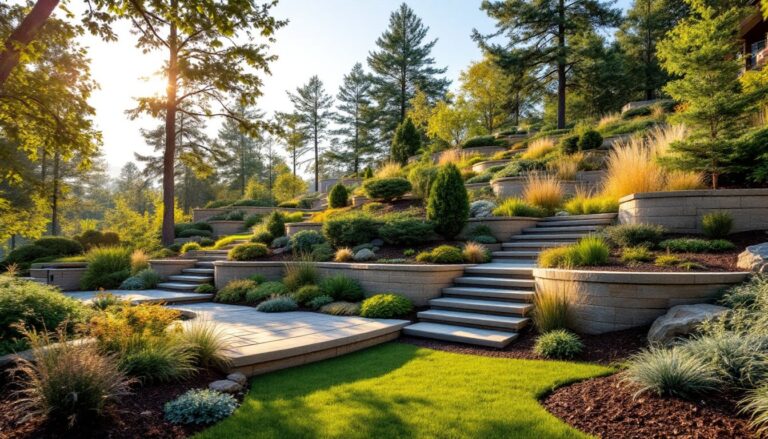
Constructing retaining walls with bricks provides both functionality and style. These walls hold back soil on sloped areas, preventing erosion and creating level gardening spaces. A combination of different brick types can add character while ensuring structural integrity. Curved designs soften harsh lines, blending the wall seamlessly into the landscape. Properly built brick retaining walls enhance drainage and support plant health, making them a practical choice in landscaping.
Bricks stand out as a premier choice for landscaping projects, offering both beauty and durability. Their versatility allows for creative designs that enhance outdoor spaces while providing lasting functionality. With options like clay and concrete bricks, property owners can achieve a look that complements their style and withstands the elements.
The ease of maintenance further adds to their appeal, making them a practical investment for any landscape. By incorporating bricks, individuals can create stunning pathways, patios, and borders that not only elevate their outdoor aesthetics but also contribute to the overall value of their property. Embracing bricks in landscaping is a decision that pays off in both form and function.