Table of Contents
ToggleWhen it comes to home invaders, few are as unwelcome as hornets. These buzzing nuisances can turn a peaceful backyard barbecue into a scene from a horror movie faster than you can say “run for cover.” With their aggressive nature and painful stings, hornets don’t just crash the party—they bring their own chaos along for the ride.
Overview of Hornet Pest Control
Hornets pose a significant challenge for homeowners, especially during outdoor events. Effective control strategies help manage their population and minimize risks associated with their aggressive behavior. Understanding their habits and tendencies allows for targeted pest management approaches.
Traps serve as a primary method to reduce hornet numbers. These traps often contain attractants, luring hornets to a contained area. Oftentimes, commercially available traps or DIY options with sugar water and vinegar provide effective results.
Insecticides also contribute to hornet control. Spraying active ingredients directly on nests or areas where hornets frequent significantly reduces their presence. Manufacturers’ guidelines for application help ensure safety and effectiveness.
Preventive measures play a crucial role in hornet management. Sealing entry points and removing food sources deter hornets from nesting near homes. Proper waste management practices encourage a less inviting environment for pests.
Professional pest control services often specialize in hornet removal. Trained technicians assess the situation, providing tailored solutions based on nest location and infestation severity. Their expertise can lead to more successful eradication efforts.
Monitoring hornet activity is vital throughout the year. Keeping an eye out for signs of nests in spring can lead to early intervention, preventing larger infestations. Seasonal changes affect hornet behavior, making awareness key to effective management.
Each strategy has its advantages and is often used in combination for optimal results. Those who experience hornet issues should explore all available options for the most effective control outcome.
Types of Hornets
Hornets are categorized into several species, with two prominent types frequently encountered in North America. Understanding these categories aids in identifying their behaviors and nests, which is essential for effective pest control.
European Hornet
European hornets (Vespa crabro) are known for their large size, reaching up to 1.5 inches in length. These hornets exhibit pale yellow and brown coloration. They prefer building nests in hollow trees and wall cavities. Their aggressive behavior, especially around nests, makes them particularly dangerous. Known for their painful stings, they possess potent venom. In urban settings, European hornets often forage for sugary foods and protein, posing risks during outdoor activities. Effective control requires locating nests and ensuring proper protective gear during removal.
Bald-Faced Hornet
Bald-faced hornets (Dolichovespula maculata) distinguish themselves with their black and white coloring, exhibiting a unique appearance. Nests are typically found in shrubs or trees, often resembling large paper lanterns. These social insects can grow up to 0.75 inches long and exhibit aggressive tendencies when defending their nests. Their sting packs a painful punch due to venom potency. Bald-faced hornets are attracted to sweet substances, making them common around sugary outdoor items. Control measures involve monitoring nest activity and using targeted insecticides, especially during evening hours when they are less active.
Effective Hornet Control Methods
Effective hornet control involves a combination of strategies to manage their presence safely. Implementing the right methods can significantly reduce the risk of hornet stings during outdoor activities.
Chemical Treatments
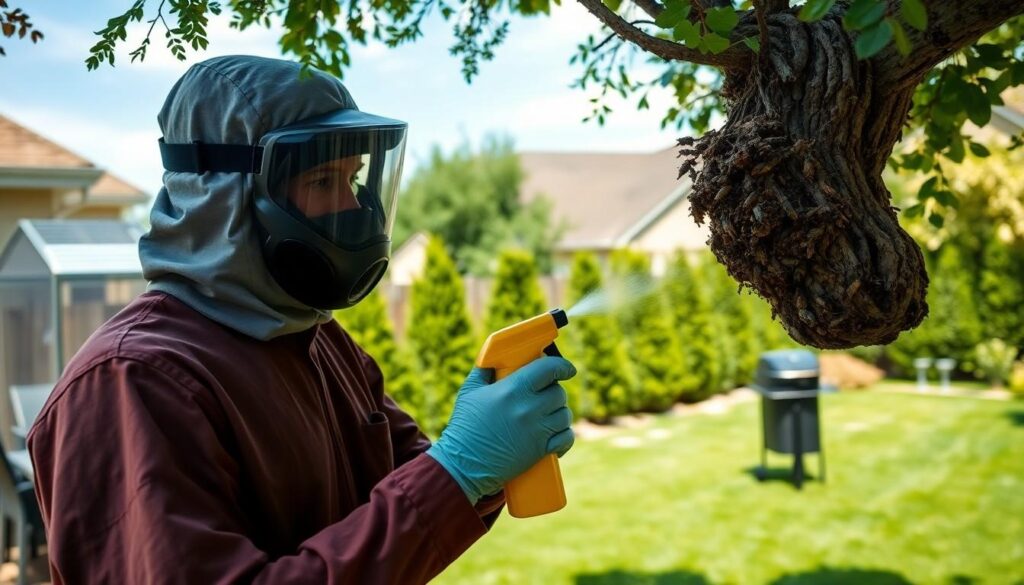
Utilizing insecticides directly targets hornets, making chemical treatments popular among homeowners. Products containing pyrethroids quickly eliminate hornets upon contact, often delivering quick results. Sprays designed for aerial applications allow for accurate nest treatment, reaching high or hidden areas. Timing plays a crucial role in effectiveness; treating at dawn or dusk when hornets are less active enhances safety and efficacy. Precautionary measures include wearing protective gear and ensuring no activity around the nest during application.
Non-Chemical Treatments
Non-chemical methods effectively manage hornet populations while reducing environmental impact. Traps baited with sugars or proteins capture hornets without harmful chemicals. These traps work best when placed near nests or areas with known activity. Sealing entry points around homes prevents hornets from nesting in wall cavities or eaves. Maintaining cleanliness by securing garbage and cleaning spills deters hornets from approaching outdoor events. Monitoring hornet activity throughout the season helps proactively address potential infestations.
DIY Hornet Control Strategies
Effective hornet control strategies often include various DIY methods. Homeowners can implement traps, baits, and natural repellents.
Traps and Baits
Setting up traps with enticing baits proves to be an effective approach for controlling hornet populations. Traps attract hornets using sugary or protein-based substances. A simple homemade trap can be made from a plastic bottle, cut and inverted to capture these pests. Using a mixture of sugar water or fruit juice as bait encourages hornets into the trap, preventing them from reaching food sources. Placing traps in shaded areas close to nests increases effectiveness. Checking these traps regularly helps monitor hornet activity and promptly reduce populations.
Natural Repellents
Using natural repellents provides a safer alternative to chemical pesticides. Essential oils such as peppermint, tea tree, and citronella often deter hornets effectively. Mixing a few drops of these oils with water and spraying the solution around outdoor spaces creates a barrier. Additionally, vinegar can serve as a natural repellent; spraying it near nests can encourage hornets to relocate. Employing these natural solutions reduces chemical exposure while maintaining outdoor comfort. Regularly applying these repellents keeps hornets at bay during peak activity seasons.
Professional Hornet Control Services
Professional hornet control services provide effective solutions for managing hornet infestations. Experts assess the situation to determine nest locations and the species involved. Technicians apply targeted insecticides that swiftly eliminate hornets, often conducting treatments during the evening when hornet activity is lower.
Certification and training ensure professionals maintain safety while handling chemicals. Protective equipment, such as gloves and suits, is worn during treatments to reduce sting risks. Services also include nest removal, preventing future infestations by safely eliminating existing nests.
Regular monitoring of hornet activity is part of a comprehensive pest control strategy. Professionals recommend inspections throughout the season. Quick responses to activity changes can help residents avoid larger infestations.
Additionally, integrated pest management strategies combine chemical and non-chemical methods. Professionals often advise on preventive measures like sealing potential nesting sites in homes and yards. Following recommendations curtails the likelihood of hornets returning.
Client education is another aspect of professional services. Experts often share tips on maintaining cleanliness and managing waste around outdoor areas. This knowledge empowers homeowners to reduce attractants, making properties less appealing to hornets.
Engaging professional hornet control services proves beneficial for effective management. They provide expertise, safe treatments, and preventive solutions tailored to individual needs.
Addressing hornet infestations requires a proactive approach that combines various control methods. Homeowners can benefit from understanding the behavior of different hornet species and implementing effective strategies tailored to their specific situations. Whether opting for DIY solutions or enlisting professional services, it’s essential to prioritize safety and efficiency.
Regular monitoring and preventive measures can significantly reduce the likelihood of hornets becoming a nuisance during outdoor activities. By taking these steps, individuals can enjoy their outdoor spaces without the threat of aggressive hornets disrupting their gatherings.