Table of Contents
ToggleA well-designed front yard doesn’t have to demand hours of weeding, mowing, and maintenance every week. Whether you’re busy, budget-conscious, or simply tired of the landscaping treadmill, low-maintenance landscaping ideas can transform your curb appeal without the constant upkeep. Modern homeowners are ditching the traditional high-maintenance lawn in favor of drought-tolerant plants, smart systems, and hardscape solutions that look polished year-round. This guide walks through seven practical strategies to create a front yard that’s both attractive and genuinely easy to maintain, so you can spend your weekends doing something you actually enjoy.
Key Takeaways
- Native plants and drought-tolerant species are the foundation of low-maintenance landscaping, requiring far less water, fertilizer, and pest management once established.
- Ground covers like gravel, mulch, and living plants eliminate mowing and reduce weeds while hardscape elements such as pavers and raised beds eliminate the need for watering and fertilizing.
- Smart irrigation systems including soaker hoses and Wi-Fi-enabled controllers can reduce water use by 20–40% while delivering water directly to plant roots for maximum efficiency.
- Ornamental grasses and evergreen shrubs provide year-round structure and visual interest with minimal pruning and no seasonal replanting required.
- Container gardens offer flexible design options with large durable pots that retain moisture longer, reducing watering frequency compared to traditional annuals.
- Start with one or two low-maintenance landscaping strategies and gradually expand your design to create curb appeal that looks polished year-round while freeing up your time.
Native Plants and Drought-Tolerant Species
Native plants are the backbone of any low-maintenance front yard. They’re adapted to your local climate, soil, and rainfall patterns, which means they thrive without constant babying. Once established (usually within the first growing season), most natives need far less water, fertilizer, and pest management than ornamental exotics.
Start by identifying what grows naturally in your region. Coneflowers, black-eyed Susans, and bee balm thrive in the Midwest: desert marigold and penstemon do well in arid zones: and native ferns and shade plants work beautifully in the Pacific Northwest. Drought-tolerant species like sedums, salvias, and ornamental sages handle heat and poor soil with ease.
The key is matching plant selection to your site conditions, full sun, partial shade, wet, or dry. A sun-baked south-facing wall calls for different plants than a north-facing shaded foundation. When you plant correctly, establishment is faster and long-term maintenance drops significantly. Group plants by water needs (hydrozoning) so you’re not overwatering drought-lovers or underwatering thirsty perennials. Many homeowners find that Small Front Yard Landscaping Ideas Low-Maintenance: Transform Your Space Effortlessly provides excellent specific examples for tight spaces.
Gravel and Mulch Ground Covers
Ground covers eliminate the need to mow and reduce weeds far more effectively than bare soil. Gravel, mulch, and living ground covers are workhorses in low-maintenance design.
Gravel and crushed stone are durable, require no watering, and create clean sight lines around plantings. Pea gravel (¼ to ½ inch) looks softer underfoot and suits contemporary designs, while crushed granite or quarry process stays put better on slopes and requires less raking. A 2 to 3-inch depth is standard. Crushed Granite Landscaping: Transform covers the specifics of this material in depth.
Mulch works in planting beds under shrubs and perennials. Shredded hardwood mulch (2 to 3 inches deep) suppresses weeds, regulates soil temperature, and breaks down slowly. Avoid dyed mulch unless you’re going for a specific aesthetic, natural mulch does the job just as well and costs less.
Living ground covers like creeping thyme or sedum add texture and eliminate bare soil without ongoing input. They’re slower to establish than mulch but require virtually no maintenance once rooted. Choose species appropriate to your climate and sun exposure.
Hardscape Elements: Pavers, Pathways, and Raised Beds
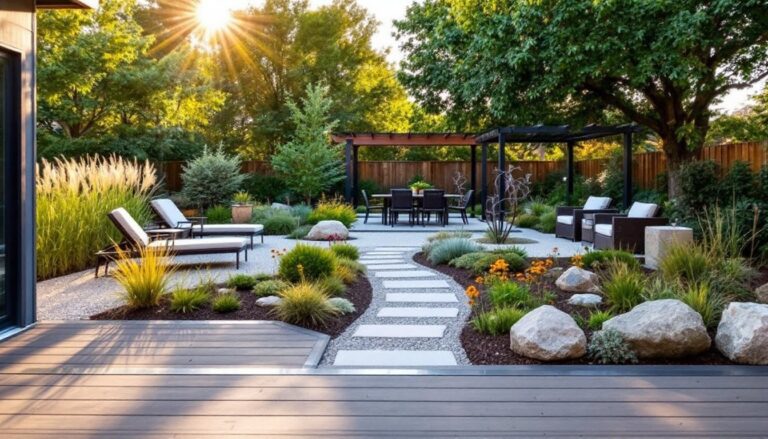
Hardscaping, paving, edging, and structural elements, replaces lawn and turf with durable surfaces that require no mowing, watering, or fertilizing. A well-executed hardscape is an investment upfront but pays dividends in reduced labor.
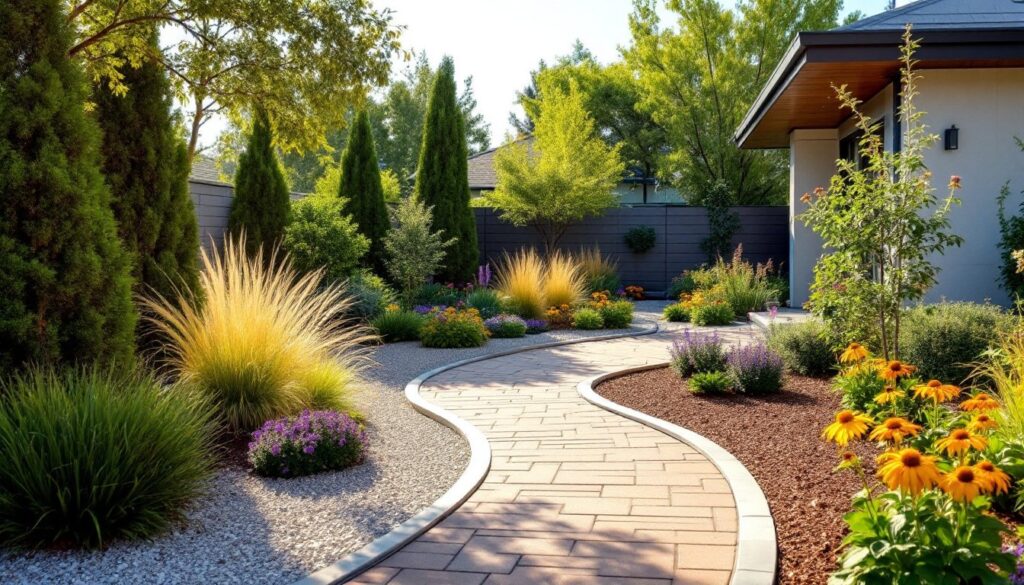
Paver pathways define spaces and guide visitors through your front yard. Permeable pavers (like pervious concrete or permeable grids) reduce runoff while still providing a clean walkway. Non-permeable options like flagstone, slate, or composite pavers work too: just accept that water won’t permeate. Set pavers on a 1-inch sand base (not mortar, unless you want a permanent installation) for easy removal later.
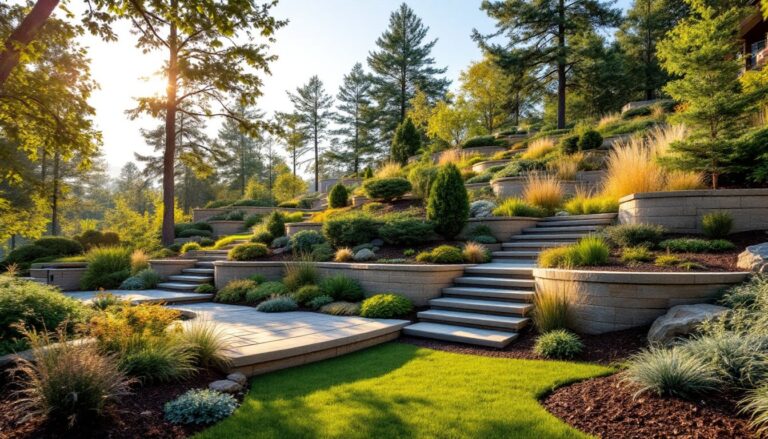
Raised beds cordon off planting zones and prevent soil compaction. A 12 to 18-inch-tall bed filled with quality soil creates ideal growing conditions for perennials and vegetables. Build them from composite lumber (longer-lasting than pressure-treated wood) or composite decking. Bricks for Landscaping: Transform explores using masonry for raised structures.
Edging keeps mulch and gravel in place and creates visual separation. Metal or composite edging is cleaner and longer-lasting than plastic. Proper edging prevents the “mulch creep” that blurs planting boundaries and requires constant raking.
Smart Irrigation Systems
Hand-watering or relying on overhead sprinklers wastes water and often fails to meet plant needs, overwatering some plants while underwatering others. Smart irrigation systems solve this with precision.
Soaker hoses and drip lines deliver water directly to soil at plant roots, reducing evaporation and runoff. They’re cheap (under $30 per zone), easy to install, and dramatically more efficient than sprinklers. Pair them with a battery-operated timer (set-and-forget for seasonal adjustments) or a smart controller that adjusts watering based on local rainfall and weather forecasts.
Smart controllers (think WiFi-enabled hose timers or dedicated irrigation controllers) learn your yard’s watering needs and cut water use by 20 to 40 percent. Many integrate with weather data, so if rain is forecast, the system skips that day’s watering. Initial cost ($100 to $300) pays back in water savings within a few seasons.
For native and drought-tolerant plantings, deep but infrequent watering is better than daily sprinkles. This encourages deep root growth and tougher plants. After the first season, most native plantings need supplemental water only during severe drought. Proper mulching (2 to 3 inches) reduces watering frequency by 30 to 50 percent, so don’t skip it.
Ornamental Grasses and Evergreen Shrubs
Ornamental grasses and evergreens provide year-round structure, visual interest, and very little fuss. They don’t require deadheading, frequent pruning, or seasonal replanting like annuals.
Ornamental grasses range from delicate sedges (12 inches tall) to dramatic specimens like miscanthus (6 feet). They handle drought, poor soil, and wind. Most prefer well-draining soil and full sun, though some shade-tolerant varieties exist. Cut them back once a year in early spring before new growth emerges. Leave them standing through winter for visual texture and wildlife shelter.
Evergreen shrubs create a permanent backbone for your front-yard design. Dwarf conifers (junipers, false cypress, arborvitae) stay compact and require minimal pruning. Broadleaf evergreens like boxwood or holly add texture and work in shade. Most need pruning only once yearly in late winter or early spring. Avoid shearing them into tight balls: instead, selective pruning maintains a natural shape and looks better long-term.
Combining fine-textured grasses with bold evergreen forms creates visual depth without demanding constant work. A typical bed might include a 4-foot Alberta spruce, a mounding juniper, and several clumps of feather reed grass. Once established (year two), this combination needs only spring cleanup and an occasional shape-up pruning.
Container Gardens for Flexible Design
Containers offer flexibility and control, and they’re genuinely low-maintenance if you choose durable vessels and the right plant combinations.
Pot selection matters: Large containers (20+ gallons) hold more soil and retain moisture longer, so they need less frequent watering than small pots. Lightweight composite resin pots won’t crack in winter like ceramic or concrete can. Dark colors absorb heat (bad for plant roots in full sun), so choose light-colored or insulated containers for hot climates.
Soil and drainage: Use high-quality potting mix, not garden soil (which compacts in containers). Ensure pots have drainage holes: standing water kills roots. A 1-inch gravel layer at the pot bottom improves drainage.
Plant combinations: Pair a focal plant (a dwarf shrub or ornamental grass) with spillers (trailing creeping phlox or ivy) and fillers (complementary perennials). Stick to perennials and ornamental grasses rather than annuals, you’ll replant fewer times. In cold climates, wrap pots in burlap or move them against the house in winter to protect from freeze-thaw damage.
Water containers more frequently than in-ground beds since they don’t have deep soil reserves, but by using large pots and quality soil, you’ll still cut watering chores compared to annuals. Landscaping on a Budget: discusses affordable container sourcing and planting strategies.
Conclusion
Low-maintenance landscaping isn’t about creating a sterile, lifeless yard, it’s about working smarter by choosing plants and systems that thrive with minimal fuss. Native species, hardscaping, smart irrigation, and permanent structural plantings create curb appeal that lasts. Start with one or two strategies: perhaps a gravel bed with native shrubs and ornamental grasses, plus a soaker-hose irrigation setup. As you gain confidence, add container gardens or a pathway. The result is a front yard that looks great and actually frees up your time for what matters most.