Lighting isn’t just about flipping a switch; it’s the secret sauce that transforms a space from drab to fab. Imagine stepping into a room where the light dances off the walls, setting the perfect mood for everything from a cozy dinner to a wild dance party. With the right style of lighting, a simple space can feel like a million bucks—or at least, like a fancy coffee shop where you can pretend to be productive.
Overview of Styles of Lighting
Lighting styles significantly impact the mood and functionality of a space. Understanding these styles helps individuals choose the best options for their needs.
Ambient lighting serves as the primary light source in a room. This style provides uniform illumination, enabling people to move freely and comfortably. Natural daylight can often fulfill this role, but overhead fixtures or wall-mounted lights are common alternatives.
Task lighting focuses on specific activities such as reading or cooking. It ensures adequate brightness in work areas. Desk lamps, under-cabinet lights, and pendant fixtures are popular choices for this purpose.
Accent lighting draws attention to particular features in a room. This style highlights artwork, architectural elements, or decorative pieces. Spotlights and wall-mounted fixtures often achieve this effect, creating visual interest and depth.
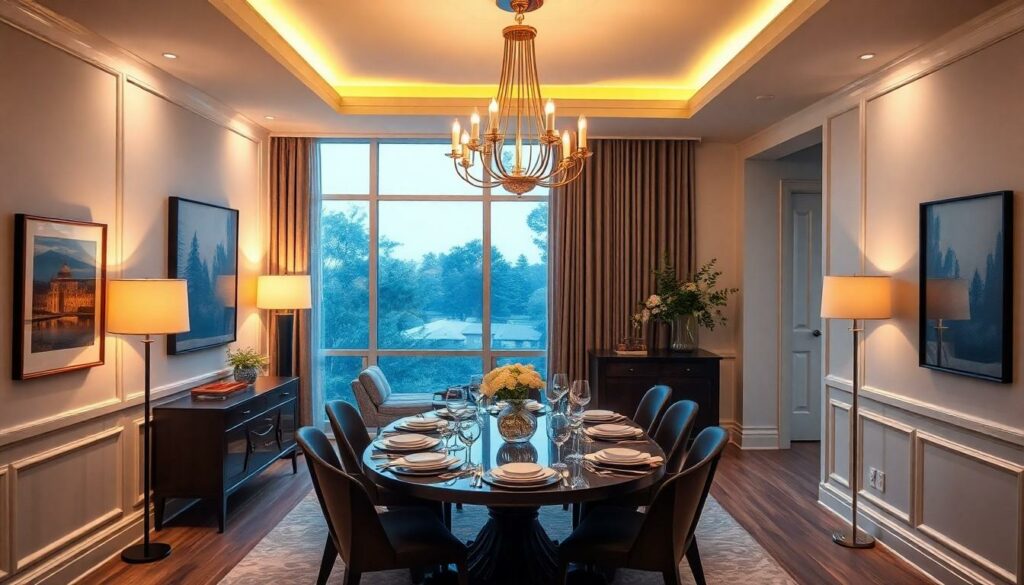
Decorative lighting combines form and function. These pieces serve both practical and aesthetic purposes. Chandeliers and unique pendant lights exemplify this style, offering beauty while illuminating a space.
Layering different types of lighting enhances versatility. Combining ambient, task, and accent styles creates a balanced atmosphere. This approach adapts easily to various occasions, from relaxed evenings to vibrant gatherings.
Energy-efficient options are becoming more prevalent. LED lighting offers longevity and lower energy costs. Selecting energy-efficient solutions not only benefits the environment but also reduces electricity bills.
Various lighting styles play distinct roles in creating the desired ambiance in a space. Different combinations can enhance aesthetics while serving functional needs. Understanding these options helps individuals make informed choices for their environments.
Types of Styles of Lighting

Lighting styles play a crucial role in defining a space, influencing both its functionality and aesthetics. Different types cater to specific needs, enhancing comfort and creating desired atmospheres.
Ambient Lighting
Ambient lighting serves as the foundation for any room’s illumination. This general light source ensures even distribution across the entire space, promoting ease of movement and comfort. Techniques such as ceiling-mounted fixtures, chandeliers, or recessed lights typically provide this illumination. Soft, diffused, or indirect light creates a warm and inviting environment. Homeowners may opt for dimmable options to adjust brightness levels based on activity or mood. Energy-efficient LED lights frequently serve as an ideal choice, combining sustainability with effective performance.
Task Lighting
Task lighting addresses specific activities that require enhanced visibility. This type of lighting often focuses on areas where individuals perform tasks such as reading, writing, or cooking. Examples include desk lamps, under-cabinet lights, and pendant lights positioned over work areas. These fixtures deliver concentrated illumination precisely where it’s needed. Brightness varies depending on the task; for instance, reading typically requires more light than casual dining. Adjustable task lighting allows users to customize angles and heights to achieve optimal visibility.
Accent Lighting
Accent lighting highlights focal points within a room, adding depth and interest to the overall design. This style serves to draw attention to artwork, architectural features, or decorative elements. Typically, spotlights, wall sconces, or uplighting options are employed for this purpose. The contrasts created by accent lighting enhance textures and colors, making spaces feel dynamic. Homeowners may choose to install dimmers to control brightness levels and create an inviting atmosphere. Layering accent lighting with ambient and task styles ensures a balanced and visually appealing environment.
Creative Styles of Lighting
Creative lighting styles add personality and function to a space, elevating its overall appeal. Modern trends and artistic installations highlight innovative approaches to lighting design.
Modern Trends
Sustainability drives contemporary lighting choices. LED fixtures lead the market, offering energy efficiency and longer lifespans. Minimalist designs gain popularity, blending seamlessly into interior aesthetics. Smart lighting systems empower users to control brightness and color, adapting to various moods and activities. Statement pieces, such as oversized pendants or sculptural floor lamps, serve as focal points, making bold impressions. Layering these elements enhances versatility, allowing spaces to transform easily from functional to cozy.
Artistic Installations
Artistic lighting transforms a functional aspect into a visual masterpiece. Sculptural chandeliers or wall-mounted fixtures create captivating focal points in residential and commercial spaces. Designers frequently explore unconventional materials, such as glass, metal, or natural elements, yielding unique textures and forms. Custom installations add a personal touch, showcasing individual creativity and style. Interactive lighting designs engage users, enhancing their experiences within a space. Emphasizing artistry in lighting turns ordinary environments into extraordinary experiences, celebrating beauty alongside utility.
Practical Applications of Lighting Styles
Lighting styles significantly enhance the functionality and ambiance of both residential and commercial spaces. Each application requires careful consideration of the space’s purpose and desired aesthetic.
Residential Spaces
In residential areas, lighting creates a warm and inviting atmosphere. Homeowners use a mix of ambient, task, and accent lighting to enhance different rooms. Living rooms often feature a combination of ceiling fixtures and floor lamps, providing comfortable illumination for relaxation or socializing. Kitchens prioritize task lighting, ensuring countertops receive adequate brightness for meal preparations. Bedrooms typically incorporate soft accent lighting around artwork or architectural elements, fostering a tranquil environment conducive to rest. This layering not only enhances visual interest but also allows for flexibility in mood and function based on activities.
Commercial Spaces
Commercial environments leverage lighting styles to optimize both functionality and branding. Retail stores often utilize bright ambient lighting to showcase products effectively, creating an appealing shopping experience. Task lighting focuses on work areas, ensuring employees have adequate visibility for daily tasks. Restaurants may embrace decorative lighting to create a specific ambiance that enhances dining experiences, with dimmable fixtures allowing for mood adjustment during different service times. Accent lighting can highlight unique features, such as artwork or signage, reinforcing brand identity while improving the overall customer experience. Strategic lighting choices contribute to a strong first impression, influencing consumer behavior and enhancing operational efficiency.
Lighting is a powerful tool that shapes the atmosphere of any space. By understanding and utilizing various lighting styles, individuals can create environments that are both functional and inviting. The effective combination of ambient, task, accent, and decorative lighting not only enhances aesthetics but also caters to specific needs and activities.
As trends evolve towards sustainability and innovation, exploring creative lighting solutions can elevate a space’s character. Whether in residential or commercial settings, the right lighting can transform everyday experiences into memorable moments. Embracing these styles allows for endless possibilities in design and functionality, ultimately enriching the quality of life.