When it comes to landscaping, the side of the house often gets the short end of the stick. It’s like the forgotten middle child of the yard, left to fend for itself with nothing but weeds and a few sad-looking rocks. But fear not! This underappreciated space can transform into a stunning oasis that not only enhances curb appeal but also adds value to the home.
Overview of Landscaping Ideas for Side of House
Transforming the side of the house into a visually appealing space adds character and functionality. Homeowners can consider several landscaping options to enhance this area. Incorporating native plants offers low maintenance and supports local wildlife.
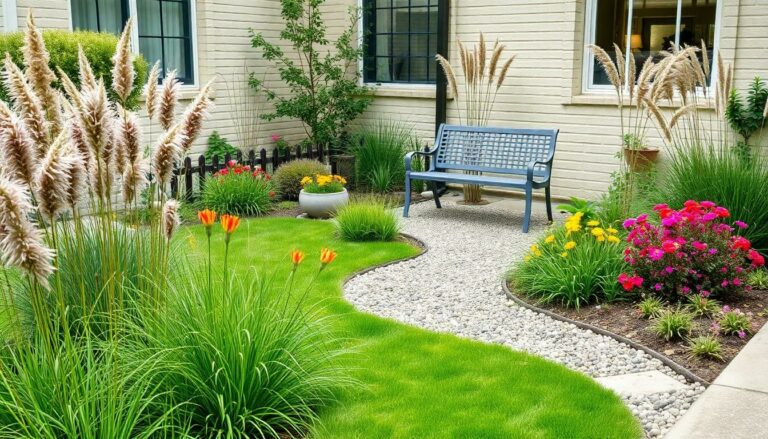
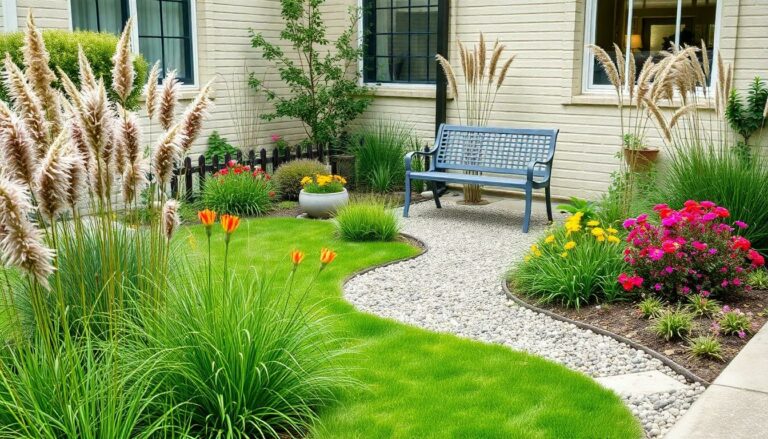
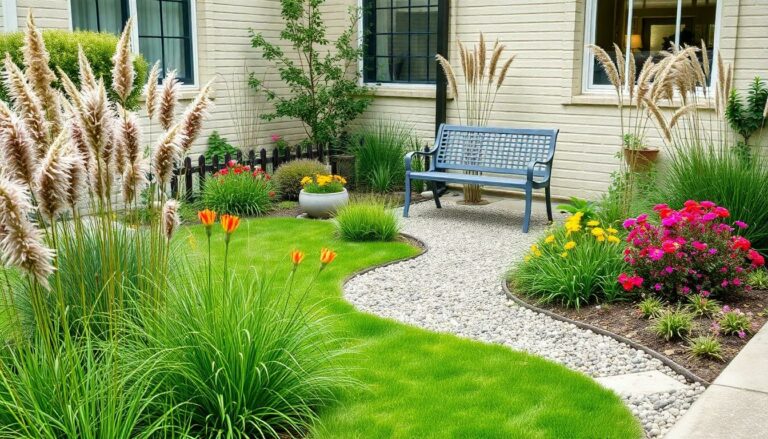
Integrating decorative stones can create visual interest and help with drainage issues. Installing a garden path made from pavers or gravel leads to enhanced accessibility and organizing the space effectively.
Adding outdoor lighting serves dual purposes; it illuminates pathways and highlights ornamental features. Utilizing vertical gardening techniques helps maximize limited space, encouraging climbing plants or wall-mounted planters.
Creating a small seating area can provide a peaceful retreat while improving outdoor living experiences. Garden sculptures or unique containers add personality and can serve as focal points.
Utilizing trellises for climbing vines adds greenery and shade to walls. Raised garden beds can introduce a variety of flowers or herbs, contributing color and life.
All these ideas enable homeowners to reclaim the side of their house, turning it from an overlooked space into an inviting environment. By implementing strategic landscaping designs, one can significantly enhance the overall appearance of the home.
Incorporating Plants and Flowers

Incorporating plants and flowers enhances the side of the house, creating lush, vibrant landscapes that draw the eye.
Choosing the Right Plants
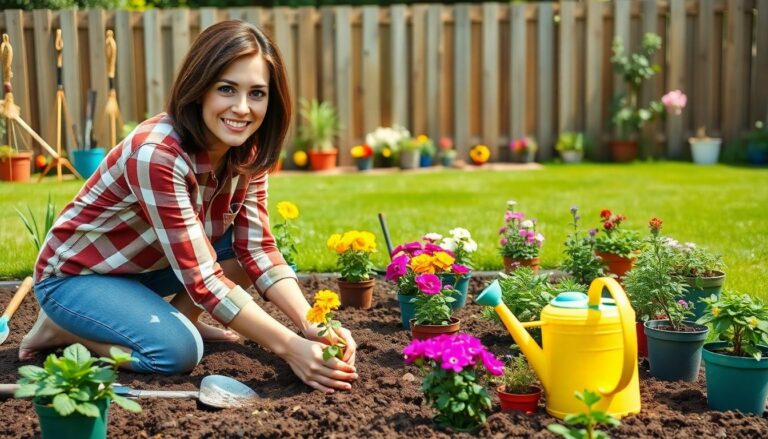
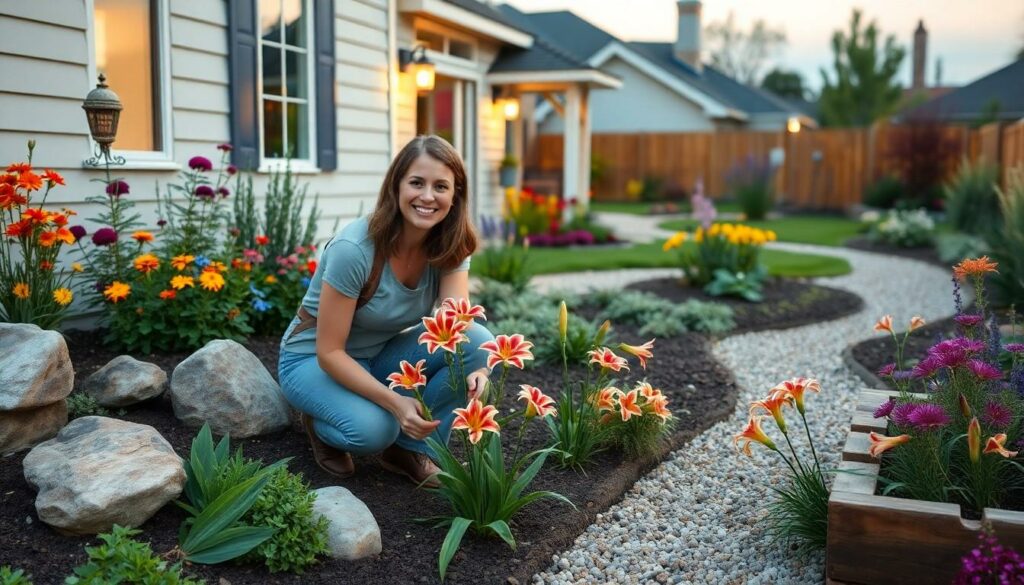
Selecting the right plants starts with considering the climate and sunlight conditions. Native plants work well due to their adaptability and minimal maintenance, supporting local wildlife. Low-growing flowers, like daylilies and lavender, can add color without overwhelming the space. For vertical interest, climbing plants such as clematis or jasmine thrive against trellises. Grouping plants by height creates visual appeal, with taller varieties at the back and shorter ones in front.
Seasonal Considerations
Focusing on seasonal considerations ensures year-round beauty. Spring-blooming flowers like tulips and daffodils rejuvenate the landscape after winter. Summer favorites, such as coneflowers and black-eyed Susans, offer vibrant colors when much of the garden is in full bloom. Fall plants, including asters and ornamental grasses, provide texture and interest as other plants begin to fade. Incorporating evergreen shrubs maintains structure throughout winter, ensuring the side of the house remains visually appealing during colder months.
Hardscaping Options
Hardscaping complements landscaping, adding structure and functionality to the side of a house. Options include pathways, walkways, retaining walls, and edging.
Pathways and Walkways
Pathways enhance accessibility while guiding visitors through the yard. Materials like gravel, pavers, or bricks create visual interest and define the space. Consider a winding path that invites exploration. Highlight the pathway edges with low-growing plants for a cohesive look. Adding lighting along walkways improves safety and ambiance during evenings. Effective pathways help reduce muddy areas and maintain the side space’s cleanliness.
Retaining Walls and Edging
Retaining walls serve both functional and aesthetic purposes. They manage soil erosion and create level planting areas. Concrete, stone, or timber options are available to suit various styles. Choose materials that harmonize with the home’s exterior for a seamless look. Edging, whether made from brick, stone, or metal, provides clean lines that define garden beds and separate them from lawns. Properly integrated retaining walls and edging enhance the landscape’s overall organization.
Creative Design Ideas
Transforming the side of a house into a visually appealing space involves innovative design strategies. Homeowners can explore various options in vertical gardening and unique decorative features.
Vertical Gardening Solutions
Vertical gardening effectively utilizes limited space along the side of the house. Using trellises, homeowners can grow climbing plants like jasmine and clematis, enhancing vertical interest. Container gardens mounted on walls not only save space but also add vibrant colors. Installing vertical planters allows for a combination of flowers and herbs, offering both beauty and functionality. Utilizing different heights and textures creates visual depth, attracting wildlife and enhancing the environment.
Decorative Features and Accessories
Incorporating decorative features elevates the aesthetics of the side yard. Adding garden sculptures provides focal points that catch the eye, while unique containers bring personality to the space. Outdoor lighting enhances the landscape’s charm, illuminating pathways and highlighting key features at night. Decorative stones or gravel can outline garden beds, creating defined spaces. Utilizing outdoor art pieces or wall decor transforms bare walls into attractive displays, making the side of the house a standout feature.
Maintenance Tips for Side Landscaping
Regular maintenance keeps the side landscaping looking appealing. Start by checking for weeds, which can compete with desirable plants for nutrients. Pulling weeds by hand or using a hoe prevents them from spreading.
Watering represents a crucial aspect of plant care. Adjust the watering frequency based on the season and specific plant needs. Ensure soil remains moist but not soggy.
Mulching benefits the landscape significantly. Applying a 2 to 3-inch layer of mulch helps retain moisture, suppress weeds, and regulate soil temperature. Organic mulch, like wood chips or shredded bark, decomposes over time, enriching the soil.
Pruning promotes healthy plant growth. Trimming back overgrown shrubs and deadheading spent flowers keeps the landscape tidy and encourages new blooms. Use sharp, clean tools to prevent damaging plants.
Fertilizing enhances plant vigor. Applying a balanced fertilizer in early spring supports growth, especially for flowering plants. Follow package instructions for correct application rates.
Inspecting outdoor lighting fixtures ensures they function correctly. Replacing burnt-out bulbs and cleaning lenses improves visibility and enhances aesthetics.
Evaluating pathways and hardscaping elements maintains safety. Regularly check for uneven surfaces or loose stones to keep paths accessible. Repair any damaged areas promptly to prevent accidents.
Pest control remains essential for plant health. Monitoring plants for signs of pests or diseases enables early intervention. Use organic pest control methods to minimize harm to beneficial insects.
Incorporating seasonal changes keeps landscaping fresh. Changing out annual flowers or repositioning pot arrangements enhances visual interest throughout the year. Adapting the landscape to seasonal aesthetics can create seasonal charm.
Transforming the side of a house into a beautiful landscape can significantly enhance both its appeal and value. By thoughtfully selecting plants and incorporating hardscaping features, homeowners can create a vibrant and functional outdoor space. The right combination of greenery, decorative elements, and practical pathways not only adds visual interest but also improves accessibility.
Regular maintenance ensures that this area remains inviting year-round. With creativity and attention to detail, the side of a house can become a stunning extension of the home, offering a welcoming environment for both residents and guests. Embracing these landscaping ideas can truly turn a neglected space into a cherished part of the property.